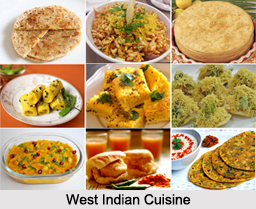
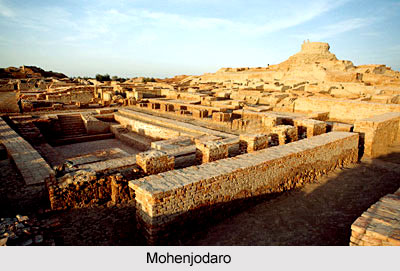
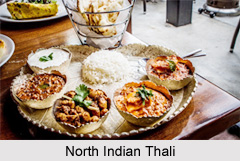
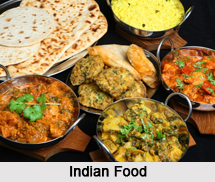
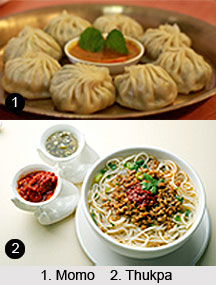
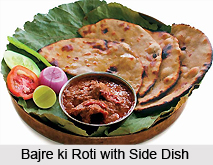
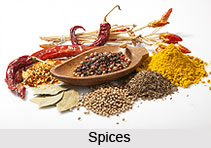
 Ingredients play a vital role in Indian food as the aroma of the spices and herbs creates miracle when mixed in a common dish. Playing with the ingredients makes the Indian food special because the perfect blend of proper ingredients enhances the taste and add colour to the food.
The foods of four major religions that originated and are practiced in India are Hinduism, Buddhism , Jainism and Sikhism . The Muslim religion is also referred to as one of the Indian religions because it was brought to India nine hundred years ago and has since spread over the entire country, with sixty five million followers. The other religions include Christianity, Judaism and Zoroastrianism. Each of these groups has its own code and methods of cooking and eating. India has derived its unique technique of cooking food by developing and incorporating the styles of different countries and races that include Mughals and Persian traditions. Accordingly Indian food has included the ingredients of the food habits of these races. With the passage of time several local herbs and spices found their way into these dishes, thus, giving rise to the distinct new style of cooking known as Mughal cooking.
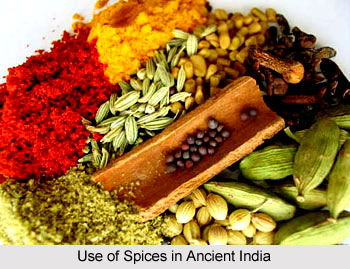
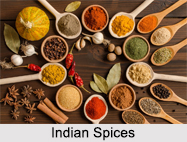
The role of spices and herbs goes far beyond pleasing the palate and soothing the senses. They have medicinal properties that were known to the ancient Indians. Ayurvedic scripts in the three-thousand-year-old Holy Hindu Scriptures on herbal medicine list the preventive and curative powers of various spices, herbs and roots in the treatment of common physical ailments. Over many centuries, specific spices were traditionally added to, and thus came to be associated with, certain Indian dishes. Asafetida and ginger root are known to counteract flatulence and colic, so they are added to lentil preparations as a matter of course. Some spices are excellent stimulants of the digestive system, which has a tendency to become sluggish with lack of physical activity.
Spices which generate internal body heat are called "warm", and those which take heat away from one"s system are called "cool" spices. Bay leaf, black cardamom, cinnamon, ginger powder, mace, nutmeg and cayenne pepper are "warm" spices and are recommended for cold weather. All the other spices range from "very cool" to "moderately warm" and therefore are suitable at all times in all climates. This is why dishes containing "warm" spices are instinctively prepared by the Indian cook more often during the winter months and avoided during the summer.
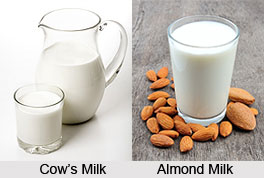
In the state of Kashmir where the climate is cool, spices such as cinnamon, nutmeg, mace, black cardamom and ginger powder are traditionally used in the local specialties. Tea in Kashmir is also often flavoured with cinnamon and cardamom. In the Plains, especially during the summer, "cool" spices lace beverages like the delicious cool punch made with cow"s milk, almond milk, sunflower and cantaloupe seeds, fennel, cloves and green cardamom. Spices also induce perspiration, which helps one to feel cool and comfortable. This is why Indians prefer to drink piping hot spice-laced tea in hot weather.
When spices and herbs are added to a dish, they act on that particular preparation in specific and wondrous ways. They do not always make a dish spicy and delicious but enhance the aroma and work as colouring agents, as souring agents (to lend piquancy and tartness), and finally, as thickeners and binders for sauces.
The ingredients of Indian foods possess several properties. Saffron, for example, lends both a lovely orange-yellow colour and a hypnotizing aroma to a dish. Coriander thickens a sauce at the same time that it imparts a nutty fragrance. Onions are used for thickening and perfuming Mughal gravies. The tomatoes, on the other hand, function as tenderizing and souring agents.
As the Indian food has a number of ingredients that have been added by integrating cooking styles of different region, the intermingling of ingredients are one of the major things to learn while creating magic in Indian dishes. It is not essential that only some particular ingredients are used in particular dishes. Sometimes some other ingredients and spices are added to enhance the taste of the dish. Since the ancient age, art of cooking has been remaining one of the forms of art that can be mastered by practice and experiments.
The ingredients of Indian foods are essential to make a dish look, taste and smell good. The spices added should be proper in quantity and quality to relish the actual taste of the dish and the effect of the ingredient in that dish.