The Indian medicinal plant Chironji carries the botanical name, Buchanania latifolia Roxb. This herb is also known as ` charoli` in India. It is basically a common Indian medicinal plant and is a type of nut used in making deserts.
Chironji is an evergreen tree with a straight, cylindrical trunk. This tree can be up to 15 metre tall with rough, dark grey bark. Branches are densely covered at the young stage of the tree. Leaves are thick like leather and tough but pliable, pubescent beneath, broadly oblong, obtuse, with rounded base. Flowers are small, greenish-white in colour, stay in axillary and terminal panicles. Fruits (drupes) are ovoid or globose, black, 8-12 mm in diameter and hard like stones. The flowers blossom generally from January to February and bear fruits from April to May. The trees become leafless for a short time during the dry season of April to June in central Indian deciduous forests.
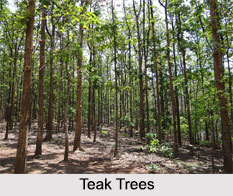
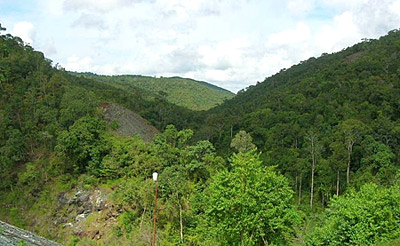
The Indian medicinal plant, chironji tree is commonly found in dry deciduous forests throughout India, up to an altitude of 900 metre.
The edible seed kernels of chironji contain a pleasant, slightly acidic flavour, and are eaten raw or roasted. An ointment made from the kernels is used to relieve itch and prickly heat, and also to remove facial blemishes. The seed oil is considered as a substitute for almond oil in traditional medicinal preparations and is often used to reduce glandular swellings of the neck. The gum oozed from the cut bark is used to treat diarrhoea. This gum is mixed with goat`s milk for effective and curative results in intercostal pains. The tribal inhabitants of southern Bihar blend the powder of the stem bark and Syzygium cumini (Mvrtaceae) together and the powder is given to treat infantile diarrhoea. To treat rheumatic pains, the inhabitants of Andhra Pradesh consume a blend of the gum dissolved in cow`s milk. The leaves of Chironji are reportedly valued for their tonic and cardiotonic properties. The powder of the leaves is considered to be a common medicine to promote the healing of wounds. The roots and leaves are often battered and mixed with buttermilk and this mixture is reportedly known as a treatment for diarrhoea.