
 Female Diseases are the diseases concerning the reproductive organs and the related parts of a woman. Women of any age can be affected with these diseases but the general trend predicts that it is the middle aged women who suffer the most. Many of the female diseases have similar symptoms, so it is important to have a proper diagnosis before opting for a treatment.
Female Diseases
Female diseases are related to the problems and ailments that affect reproductive organs caused due to hormonal imbalances and microbial infections.
Introduction
Female Diseases are the diseases concerning the reproductive organs and the related parts of a woman. Women of any age can be affected with these diseases but the general trend predicts that it is the middle aged women who suffer the most. Many of the female diseases have similar symptoms, so it is important to have a proper diagnosis before opting for a treatment.Causes of Female Disorders
Hormonal imbalance is one of the major causes of most of the Female Diseases. Several hormones are produced by the ovary including estrogens, progesterone and testosterones. These help in coordinating the menstrual cycle during the reproductive years of a female. Imbalances in these hormones can give rise to many disorders. Although, hormone imbalance can affect at any age, they are likely to affect the most during puberty and menopause. Besides this, various microbial infections can also lead to various disorders, varying in severity.
Types of Female Disorders
Disorders affecting the female reproductive organs are common, but many of them can be treated easily. Below are some diseases that occur in the female reproductive system;

•Amenorrhea: Amenorrhea or the absence of menstrual periods is among the type of female diseases that taints the females frequently. Changes in hormones, glands or organs are the prime causes of this disorder.
•Breast Cancer: Breast cancer is one of the most found diseases in all over the world. It is the most common cancer for women, affecting 1 in 9 women over their lifetime.
•Endometriosis: Endometriosis is a condition where the tissue lining the uterus grows outside on other organs of the body. It occurs mostly in fallopian tubes, ovaries, lining of pelvic cavity, cervix, bladder, rectum etc.
•Osteoporosis: Osteoporosis seems to prey most often on women over the age of 60 in all over the world. This is caused by low amounts of phosphate and calcium in bones, causing them to be porous, brittle and more apt to break.
•Polycystic Ovary Syndrome (PCOS): Abnormal ovarian functions and excessive production and/or sensitivity to male hormones characterises Polycystic Ovary Syndrome (PCOS). It is also one of the major causes of infertility in females.
•Premenstrual Syndrome (PMS): Premenstrual Syndrome (PMS) is the term used to describe the physical or behavioural changes that most of the women undergo 7 to 10 days before their monthly periods begin.
•Thyroid Disorders: Endocrinal problems like thyroid are also common in women though the population of men is also not absolutely safe from it. Thyroid disorders include hypothyroidism or hyperthyroidism which affect the female reproductive cycle of females.
•Vaginitis: Various conditions which lead to inflammation or infection in vagina are termed as Vaginitis. Infections caused by micro organisms like bacteria, yeast or viruses are the major causes of Vaginitis.
•Amenorrhea: Amenorrhea or the absence of menstrual periods is among the type of female diseases that taints the females frequently. Changes in hormones, glands or organs are the prime causes of this disorder.
•Breast Cancer: Breast cancer is one of the most found diseases in all over the world. It is the most common cancer for women, affecting 1 in 9 women over their lifetime.
•Endometriosis: Endometriosis is a condition where the tissue lining the uterus grows outside on other organs of the body. It occurs mostly in fallopian tubes, ovaries, lining of pelvic cavity, cervix, bladder, rectum etc.
•Osteoporosis: Osteoporosis seems to prey most often on women over the age of 60 in all over the world. This is caused by low amounts of phosphate and calcium in bones, causing them to be porous, brittle and more apt to break.
•Polycystic Ovary Syndrome (PCOS): Abnormal ovarian functions and excessive production and/or sensitivity to male hormones characterises Polycystic Ovary Syndrome (PCOS). It is also one of the major causes of infertility in females.
•Premenstrual Syndrome (PMS): Premenstrual Syndrome (PMS) is the term used to describe the physical or behavioural changes that most of the women undergo 7 to 10 days before their monthly periods begin.
•Thyroid Disorders: Endocrinal problems like thyroid are also common in women though the population of men is also not absolutely safe from it. Thyroid disorders include hypothyroidism or hyperthyroidism which affect the female reproductive cycle of females.
•Vaginitis: Various conditions which lead to inflammation or infection in vagina are termed as Vaginitis. Infections caused by micro organisms like bacteria, yeast or viruses are the major causes of Vaginitis.
Other Female Disorders
 Apart from all these, there are many other ailments too that not only hamper the health and fitness of females but sometimes also prove to be fatal to them. Some of the most well observed diseases that affects the women at a rate of 80% of the population include Cystitis, Menopause, Miscarriage, Fat around the Middle, Fibroids, Prolapse, Thrush, Hysterectomy, Ovarian Cysts, Infertility and painful periods.
Treatment of Female Disorders
Female Diseases can be treated in the alternative medicines also to get long term effects. The ancient Ayurveda, Naturopathy, Homeopathic Therapies, Nutritional Therapies and in some cases Progesterone Therapy proves effective in dealing with these diseases.
Diet, vitamin and mineral supplementation, exercise and stress management are holistic approaches intended to help women regain their health and maintain overall wellbeing. Even Yoga can be helpful in reducing the acuity of the diseases. There are some effective medicines offered in Natural Therapy also to get relief from the diseases.
Diet, vitamin and mineral supplementation, exercise and stress management are holistic approaches intended to help women regain their health and maintain overall wellbeing. Even Yoga can be helpful in reducing the acuity of the diseases. There are some effective medicines offered in Natural Therapy also to get relief from the diseases.
Female Diseases cured by Tulsi
 Female diseases cured by Tulsi or `basil plant` are numerous and Tulsi has proven its efficacy in successfully eradicating issues associated to conception, menstruation and others. The sacred basil plant is highly revered as one of the most significant medicinal plants which grow in the country. Women are prone to several types of physical and psychological disorders, which can be alleviated with the judicious consumption or application of Tulsi. Various kinds of Ayurvedic decoctions and solutions, mixed with different forms of Tulsi enable patients to enjoy relief from issues like excessive labour pain, skin ailments, abnormal bleeding during menstruation, other menstrual problems and so on.
Tulsi for Controlling Menstrual Problems : A majority of women experience painful menstrual periods, accompanied by severe cramps in their stomachs and lower back and excessive bleeding. A mixture composed of five portions of Tulsi powder, `ajwain` seeds, `tamal patra`, gum obtained from neem tree and 2 gms of dried ginger boiled in 100 gms of water should be consumed to ease bleeding. One must consume it after permitting the concoction to cool. Irregular menstruation can be healed by taking dried roots of Tulsi, grinding them into powder and consuming it with beetle vine over a period of one month.
Tulsi for Easing Conception Complications : Patients should consume half a glass of water boiled with leaves of Tulsi plant for each of the three days starting from the day of menstruation, to eliminate the possibility of conception. Internal bleeding of the stomach is promptly checked by the usage of powdered roots of Tulsi wrapped in betel leaves. Consumption of various decoctions of Tulsi ensures good health of the uterus, while drinking Tulsi juice would help reduce the excruciating labour pains. Labour pains after delivery can be eased if an expecting mother consumes a mixture of sugar, water and Tulsi seeds which have been soaked overnight for over twelve hours. To conceive, one must take a mixture of `shatavary`, saffron, `gangeran`, `putrakanda`, `dhro` grass and five parts of Tulsi plant. However, sugar and milk obtained directly from a cow must be added to it and utilized for ten days, starting from the day of menstruation.
 Tulsi for Ailments during Pregnancy : Itching of the skin over the abdomen and the breasts of a pregnant woman is relieved by the application paste of `Van Tulsi`. Application of medicated oil prepared with 125 gms of Van Tulsi leaves in 500 gms of sesame oil previously subjected to the process of `moorchhana`, relieves the pains associated with confinement. Breast milk will improve in quality if the woman is given a mixture of 20 gms of Tulsi juice, 20 gms of the juice of maize leaves, 10 gms of the juice-or extract of `asgandh` or `ashwagandha`, and 10 gms of honey, for seven days following delivery.
Tulsi for Curing Hormonal Imbalance : The issue of hormonal imbalance is a source of anxiety for innumerable women and young, adolescent girls, which might fuel certain complicated physical conditions. Frequent mood swings, weight-gain, menstrual issues, a suddenly reduced libido, muscular cramps, fatigue, insomnia and dull musculoskeletal are some of the consequences of hormonal imbalances. The hormone named `Cortisol` released by adrenal glands, particularly during moments of intense stress can be controlled by proper intake of Tulsi. Tulsi and ginger are empowered to balance the levels of Cortisol in the body. Besides, Tulsi is also believed to affect the secretion of dopamine and serotonin into the brain. This indirectly enables one to stay stress-free and calm, since these neurotransmitters regulate psychological health and mood.
Tulsi for Treating Breast Cancer : Several medical practitioners also believe in the capability of Tulsi plant to relieve breast cancer in women. Tulsi tea must be consumed regularly to cure breast cancer, as per the accounts of doctors. Two cups of boiling water must be poured over 10 or 15 fresh holy basil leaves and then the leaves must be removed prior to its consumption.
Other Medicinal Utilities of Tulsi for Womens` Maladies : Leucorrhoea can be completely cured by treatment with 20 gms of Tulsi juice with rice water, meanwhile restricting the diet to rice and milk, or rice and ghee for the duration of the treatment. Regular periods can be restored by 125 gms of Tulsi seeds, black sesame seeds, tender shoots of the cotton plant, tender shoots of bamboo plants and 220 gms of aged jaggery mixed with the powder. This is effective even in cases of women with amenorrhoea.
Naturopathy for Female Diseases
 Women are an integral part of a community they deserve special care throughout their lives. Whether it is preparing to start a family with their partner, or going through menopause, Naturopathy has the ability to assist women through all phases of life.
Naturopathy is a unique combination of nature with modern science that promotes good health. This approach to healthcare embraces a wide array of non-invasive techniques and therapies, including traditional healing methods, principles and practices. The naturopathic physician tries to encourage good health by helping to create a healing internal and external environment.
Naturopathy treats female diseases like natural childbirth and premenstrual syndrome (PMS) and other menstrual and menopausal problems. A women"s reproductive system presents special challenges for women of all ages. Many symptoms, disorders and diseases are caused by hormonal imbalances that can be effectively treated using herbs, supplements, diet and lifestyle changes and other therapies without the side effects of drugs.
Some of the female hormonal imbalances cured by naturopathy are as follows:
• Naturopathic treatment of female infertility is aimed at correcting nutritional deficiencies, adjusting hormonal imbalances and improving overall reproductive health.
• More than 60% of women experience menstrual disorders. This mostly involves an irregular menstrual cycle and scanty to excess menstrual flow accompanied by abdominal cramps which results in painful periods. In some women, obesity and hormonal imbalance has been noted to be the main cause of menstrual disorder.
• Naturopathy for premenstrual syndrome (PMS) aims to return the body"s hormone levels to a balanced state and to prevent future occurrences of PMS symptoms naturally.
Recently updated articles in Naturopathy in India

Effect of Magnets on Human Body
Magnets have a stimulating effect on various body systems such as digestive, urinary, respiratory. Magnet has its affect on blood and hence it influen...
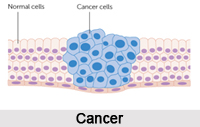
Cancer, Disease
Cancer is a malignant in which a group of cells display uncontrolled growth.

Principles of Massage
Principles of Massage are consisted of proper intricacies and sequence.

Foot Massage
Foot Massage is an extremely healing and effective therapy in Ayurveda, which can eliminate several problems in the entire body.
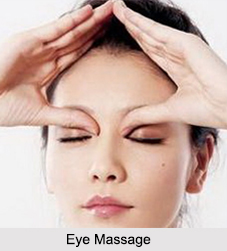
Eye Massage
Eye Massage helps to make the eyes cool and calm making the muscles stronger.
Related articles in Naturopathy in India

Nature Cure Treatments
Nature Cure Treatments comprise the use of natural elements and healthy lifestyle for healing various ailments and staying fit.
Water Therapy
Water therapy is an alternative therapeutic method that cures many diseases.
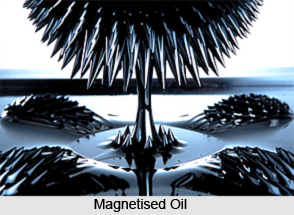
Magnetized Oils
Magnetized Oils are prepared either on the North Pole or the South Pole.