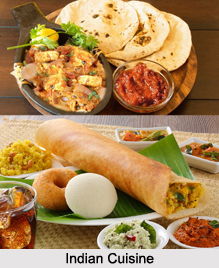
 The order in which the several articles of diet are made use of by the Hindus reveals the profound knowledge manifested by the sages of old in physiology as well as anatomy. In fact, they seem to have been posted with fuller knowledge of the functions of the different organs of the body. It is proposed to deal only with the vegetable diet and not animal diet. It is basically of the higher class people of the Hindu community. The several courses may be sharply classified under preparations stimulating glands like the salivary gland, etc., stuffs yielding starch, stuffs yielding protein, fats, salts, preparations having properties nullifying injurious effects of food on the system.
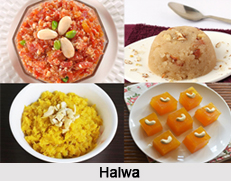
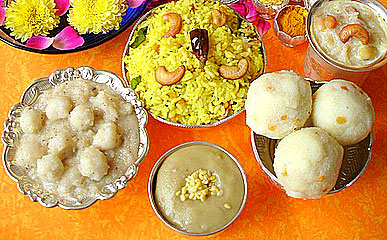
The first concentration can be given to a sweet preparation called Payasam. As this contains sugar instead of the starch in the rice, it serves the purpose of starting the flow of saliva easily facilitating the conversion of starch in the next course of rice into sugar. It`s also ready for absorption in the system.
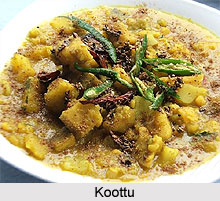
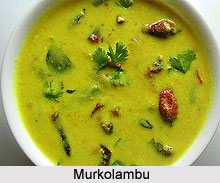 The ghee makes the course palatable and it also serves the purpose of a lubricant, facilitating the passage of food through the alimentary canal system. Several preparations namely, Sambhar, Koottu, Murkolambu, etc., are used to facilitate the profuse flow of saliva stimulating the salivary glands in the mouth.
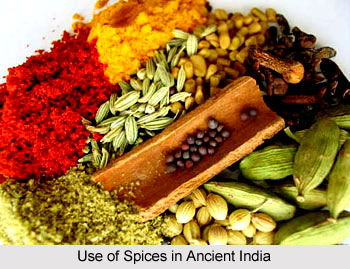
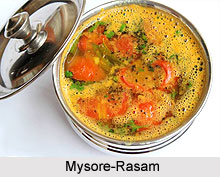
The next preparation is what is called Rasam and there are several kinds of it which can be named as Mysore-rasam, Pannlr-rasam, Milagu-rasam, Poricia-rasam, and so on. This is used with boiled rice and swallowed. In all these preparations tamarind, oil, salt, spices, black gram, etc., are used to be absorbed into the blood and thus enrich it to enable it to build fine tissues. Substances like coriander seed, cumin seed, mustard seed, pepper, etc., serve different purposes in the process of digestion of the food-stuff into the system. Some serve the purpose of a stomachic, whereas some substance like the asafetida is used in regulating the wind in the stomach. There are some other type to regulate the functions of the liver and so on.
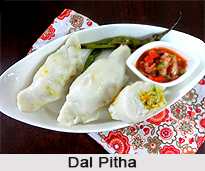
 The next course consists in a variety of cakes left to simmer in boiling oil or ghee, some sweet while others not sweet but hot and so on. These are such things that are capable of digestion in the stomach and the intestines near it. In these preparations there can be added spices, etc., that have carminative and stomachic properties.
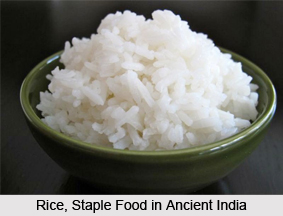
The last course consists of fruits to aid in the digestion of the food. The last course is boiled rice, mixed with curd or sour milk which contains a large quantity of salts necessary for the body. One interesting fact about the closing of the meal is praise of God are recited in a pleasant voice and tune by some among the guests. It is the firm-rooted belief of the Hindus that food taken with mind resting on pure and noble thoughts would go to build up bodies achieving noble deeds. For this purpose silence and meditation upon God during the meal time are observed by the wise. But the jolly and worldly-minded men and women swallow their food with pleasant tete-a-tete, which helps them to build bodies capable of responding to hilarious impacts.
At any rate, food should never be taken with impure and bad thoughts. This is because of the reason that such men are sure to build bodies capable of doing bad and wicked actions.
Further, food is enjoined to be eaten in company. This is for the simple reason that in such case the mind may be engaged in pleasant thoughts and conversation during the meal. The importance of Sambardhana, etc., lies in this fact only, viz., that the host helps the guests to build into their bodies tissues capable of responding to devotional impacts, if the feast is held in honour of a deity.
So if people are bent on building bodies of a requisite temperament they should make it a point to dwell on the particular virtue required when taking their meals for a sufficient period of time. At that point of time they may be surely crowned with success.
At the close of the meal pan supari, flowers and sandal paste are distributed to the guests.