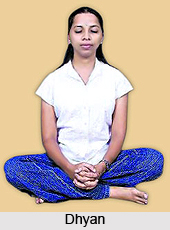
Muktasana or the `free pose` is a yoga posture practiced by many for attaining various health benefits. Muktasana is regarded by some authorities as a variation of the Siddhasana, while the Gheranda Samhita and other Hatha Yogic texts confirm it as a unique meditative posture. Muktasana differs from some other meditative asanas by its peculiar arrangement of legs, arms and fingers. Muktasana offers the same beneficial effects as the Siddhasana and must be practiced with much the same caution.
Meaning of Muktasana
Mukti means freedom or liberation in Sanskrit, and the pose may translate to either the pose of the liberated or a liberating pose.
Yoga Texts and Muktasana
A yoga posture named Muktasana is described in the Hatha Yoga Pradipika, although it is merely considered another name for the more famous basic posture, Siddhasana. A number of the Yoga Upanishads mention the Muktasana (while omitting the Siddhasana), and the matching descriptions further indicate that the posture known as Muktasana was merely Siddhasana under a different name. The Gheranda Samhita describes the contemporary Muktasana. The description clearly indicates that the pose is derived from the Siddhasana.
Steps of Muktasana
The steps of Muktasana are simple and it can be performed by anyone. However, beginning the asana under the guidance of yoga expert is a good idea.
•As in the Siddhasana, sit with legs fully stretched out.
•Bend the left leg at the knee joint slowly and tactfully as in Siddhasana.
•Then fold it in such a way that the left heel is placed directly over the genitals.
•Now place the right heel exactly over the left one, as if both are one.
•Remember to press the heels uniformly towards the back and up against the hypo-gastric plexus which is supposed to control the reproductive organs.
•Now keep the body firm and the neck straight.
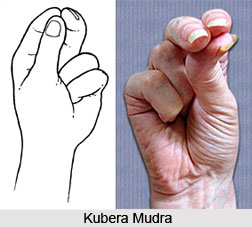
•Then arrange the hands and fingers.
Benefits of Muktasana
•This asana exercises the abductors, flexors; external rotates of the hip and the ankle plantar frelxors.
•It helps to direct the energy from the lower psychic centres upwards to the spine. This process produces a stimulus to the brain calming the entire nervous system.
•It also helps to calm the mind and get rid of negative thoughts.
•It improves concentration and memory.