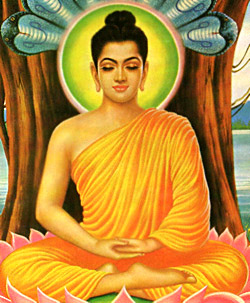
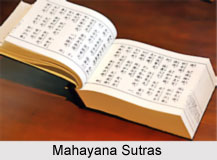
 Mahayana Sutras contains the detailed teachings of Buddha. It is presumed that these are original representation of his teachings. There are 12 sutras in this scripture. Mahayana Buddhists strongly believe that the Mahayana sutras truly represent the life and teachings of Buddha.
The Mahayana Sutras are: -
1. Avatamsaka Sutra: is the second largest sutra in the Mahayana Scripture and it contains Buddha`s teachings to the bodhisattvas. It includes different sutras, such as, Gandavyuha Sutra, Dasabhumika Sutra and Amitayurdyhana Sutra. It is also known as Flower Ornament Sutra, Flower Garland Sutra and Flower Adornment Sutra.
2. Brahma Net : It consists of Ten Major Precepts of Mahayana as well as the Bodhisattva Precepts. Brahma Net is referred to as Brahmajala Sutra too.
3. Diamond: Known as Vajracchedika Prajnaparamita Sutra, it is one of the well-known scriptures in Prajnaparamita sutras. This sutra relates the doctrine of sunyata or emptiness and wisdom or Prajna.
4. Heart or Prajnaparamita-Hrdaya: Sutra is a small one but one of the most popular ones. It also stresses on the concept of emptiness.
5. Heroic Gate: relates the power of Samadhi or jhana. This is also known as Surangama Sutra.
6. Amitabha Sutra:is one of the basic principles of Pure land School. This sutra describes the virtues and blessings Buddha, Pure land and his rebirth. It is also known as Amida Sutra, Shorter Amitabha Sutra and Smaller Sukhavati-vyuha Sutra.
7. Jewel Heap: or Ratnakuta Sutra belongs to the Vaipulya. It is one of the oldest Buddhist sutras. It is also instrumental in developing the middle path in Buddhism.
8. Lankavatara: is the scriptural base for Yogacara and Zen Schools. Buddha`s enlightenment and emptiness and mind are dealt with through this sutra.
9. Longer Amitabha: belongs to the Pure land texts. It describes the concept of causation and Pure land. It is also known as Longer Sukhavativyuha Sutra and Larger Amitabha Sutra.
10. Lotus :or Saddharma Pundarika Sutra is a part of the Tendai scripture. It helps in educating one on the history of Buddha and the Transcendental Buddha.
11. Meditation:too belongs to the Pure land school. It instructs on meditation and visualization. It is popularly also known as Amitayurdyhana Sutra.
12. Ten Stages Chapter :or Dasabhumika Sutra is an independent one. It teaches the ten paths of Buddha that can leads an individual to enlightenment.
13. Vimalakirti :represents the basic principles of Mahayana principles. This is in a form of conversation between an erudite Buddhist and Vimalakirti, the householder.
Mahayana Sutras
Mahayana Sutras comprise of the detailed teachings of Gautama Buddha.