 (P?li; Sanskrit: anitya) Anicca or impermanence is the universal truth, according to Buddhism. All compounded phenomena (things and experiences) are unpredictable, unsteady, and transitory. Everything one can experience through one`s senses is composed of parts, and depends on the right conditions for its existence. Everything is in unremitting change, and thus conditions and the thing itself is perpetually changing. Things are constantly coming into being, and terminating to be. Nothing lasts forever. The concept of Anicca also denies the existence of a supreme self or soul. Hence it is from here that the doctrine of Anatta emerges. Hence, Buddhism strongly believes that Anicca is inevitable and inescapable.
The crucial point here is that phenomena come forth and cease according to (complex) conditions and not according to one`s impulses and fancy. While one has limited power to effect change to one`s possessions and surroundings, experience tells one that one`s faint attempts are no guarantee that the results of the efforts will be to one`s liking. More often than not, the results fall short of one`s expectations.
Primarily there are 5 stages on which human beings have no control. They are aging, falling sick, dying and decaying. However Buddhism suggests that there are ways to escape from these evils and it is through nirvana. This is the reason why Buddhism does not believe in the Hindu concept of a permanent soul. As a result early Buddhists did not believe in either soul or self. The only truth about this world is change. If anything on this earth is constant it is impermanence.
In Mahayana Buddhism, a cautionary is added: `one should indeed always meditate on the impermanence and changefulness of compound structures and phenomena, but one must guard against extending this to the realm of Nirvana, where impermanence holds no sway and eternity alone obtains`. To perceive Nirvana or the Buddha (in his ultimate Dharmakaya nature) as impermanent, would be to indulge in "perverted Dharma" and would be to go severely astray, according to late Mahayana doctrines accredited to the Buddha.
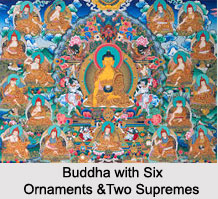
Buddha declared that decay is the inherent in everything. In his teachings Buddha compares life to a river. It moves from one point to another and from one stage of existence to another. No two stages of a particular river are the same. Similarly no two stages of human existence can be the same. Every moment of life changes. Such changes also reveal the ephemeral nature of life.
Buddha`s philosophy can also be justified from a scientific point of view. Both physically and psychologically human beings keep on changing. Anicca thus is the strongest guiding force of life. However due to ignorance common men fail to see this truth. Hence it is fruitless running after worldly pleasures. Such an attitude only brings pain and suffering. Buddha says that to be liberated from this cycle one needs to realize the doctrine of Anicca.