 Uses of Licorice
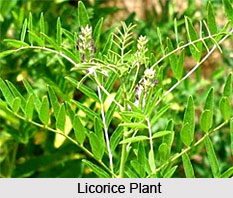
Licorice has a long and highly varied record of uses. It was and remains one of the most important herbs in Traditional Chinese Medicine. Among its most consistent and important uses are as a demulcent (soothing, coating agent) in the digestive and urinary tracts, to help with coughs, to soothe sore throats, and as a flavouring. It has also been used to treat conditions ranging from diabetes to tuberculosis. It is also used to treat chronic viral hepatitis and possess antiviral effects. It helps to prevent the development of hyperkalemia on the patients undergoing hemodialysis. Licorice is also remedial in Crohn`s disease, irritable bowel syndrome, leaky gut syndrome, ileitis and stomach and duodenal ulcers.
Active Constituents in Licorice
The two major constituents of licorice are glycyrrhizin and flavonoids. Licorice may also have antiviral properties, although this has not been proven in human pharmacological studies. Licorice flavonoids, as well as the closely related chalcones, help heal digestive tract cells. They are also potent antioxidants and work to protect liver cells. In test tubes, the flavonoids have been shown to kill Helicobacter pylori, the bacteria that cause most ulcers and stomach inflammation. An extract of licorice, called liquiritin, has been used as a treatment for melasma, a pigmentation disorder of the skin. A preliminary trial found that while the acid-blocking drug cimetidine led to quicker symptom relief, chewable deglycyrrhizinated licorice (DGL) tablets were just as effective at healing and maintaining the healing of stomach ulcers. Chewable DGL may also be helpful in treating ulcers of the duodenum, the first part of the small intestine. Capsules of DGL may not work for ulcers, however, as DGL must mix with saliva to be activated.
Side Effects of Licorice
Licorice products that include glycyrrhizin may increase blood pressure and cause water retention. Some people are more sensitive to this effect than others. Long-term intake (more than two to three weeks) of products containing more than 1 gram of glycyrrhizin daily is the usual amount required to cause these effects. Consumption of 7 grams licorice per day for seven days has been shown to decrease serum testosterone levels in healthy men by blocking the enzymes needed to synthesize testosterone. As a result of side effects, long-term intake of high levels of glycyrrhizin is discouraged and should only be undertaken if prescribed by a qualified healthcare professional. Consumption of plenty of fresh fruits and vegetables to increase potassium intake is recommended to help decrease the chance of side effects. De-glycyrrhizinated licorice extracts do not cause these side effects since they contain no glycyrrhizin. Certain medicines may also interact with licorice to cause side effects.