 An ancient philosophical and ascetic movement that occurred in the Indian Sub Continent was known as Ajivika. They were the contemporaries of the early Buddhist and historical Jains. They might be a loosely organized group of wandering ascetics known as the `samans` or `sanyasins`. The Ajivikas believed that a precise and non-personal cosmic principle, known as, Niyati determined the transmigration of the human soul. It is completely independent of the actions performed by a person. They were believed to be the strict fatalists who did not believe in `karma` or the possibility of free will.
The information that has been collected from the fragments of Ajivika doctrine preserved in Buddhist and Jain sources, states that they were strict fatalists who did not believe in `karma` or the possibility of free will.
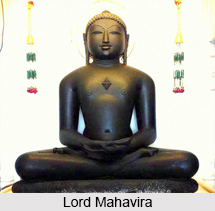
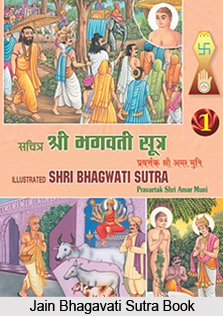
As stated in the Pali and Sanskrit literature, Makkhali Gosala was the founder of the Ajivika faith. Other sources report that Gosala was a leader of a large Ajivika congregation, but was not the founder of the movement. Another leader of the Ajivika was Purana Kassapa. Again, Gosala was believed to be a friend of Mahavira, the 24th Tirthankara of Jainism. But according to Jain Bhagavati Sutra, Gosala was a disciple of Mahavira for a period of six years.
During Emperor Ashoka`s time, the Ajivika philosophy reached its peak of popularity but later declined into anonymity. Ashoka`s father Bindusara was a great believer of this philosophy. Inscriptions from southern India reports that the Ajivikas might continue to exist in India till the 13th century CE.
One of the interesting points to note is that the founder of the Mauryan Dynasty, Chanakya and the preceptor of Ashoka`s mother Subhadrangi was an Avijika.
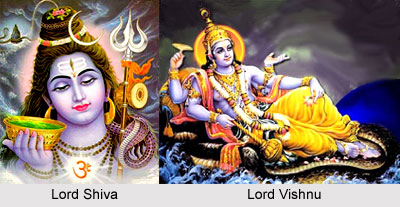
Although it is known that most of the Avijikas were atheistic, there were many theistic figures too. Such as, Gosala Mahakali was a devotee of Shiva and Chanakya was a devotee of Vishnu.
They are believed to possess many scriptures. Of these scriptures the existing are the scattered selections of verse in Buddhist and Jain sources that seem to represent quotations from Avijika scriptures.