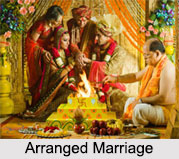
 Arranged Marriage is the most common and preferred kind of marriage in India. Arranged marriages could get forced upon the bride and the groom and the choice of the married couple was not always considered. However, in recent times, the choice of the individual getting married is considered and respected.
Arranged marriages in India differ from community to community and from place to place. These ceremonies are indispensable, highly religious and significant. The rites of marriage are also social and are meant to increase intimacy between the two families. However, with a little variation, the usual custom and rituals are more or the less the same throughout India.
Origin of Arranged Marriages
Arranged Marriage started gaining importance more and more as child marriages started prevailing in India. The extent of this practice was so severe that the parents started deciding matches for their children while their children were just born, sometimes even before the child was born.
Arranged Marriages Today
Today, in arranged marriages in India, involvement of the couples are considered more and parents" role is rather for suggesting the family alliance. The choice of the bride or the groom is not forced upon them. The couple is also allowed to spend time with each other before they decide about getting married.
The arranged marriages are quite common even in today"s India. Even in the 21st Century, most of the Indians prefer to marry the boy or girl chosen by their families, rather than choosing their life partners themselves. The rigid caste system is somewhat diluted and marriages outside of the sub-caste are considered, so are marriages outside of one"s own language or province (still within the same caste). Age, caste and dowry play important roles in arrangement of marriages in India today.
Process of Arranged Marriage
The steps involved in an arranged marriage vary by communities and families. Arranged marriages in India are long drawn out processes, where finalizing the perfect match may take months and even years. Once a match is established, the elders of the family first meet at a neutral place to talk and also to figure out the suitability of the match firsthand. In these meetings, the families try to judge the financial and cultural barometer of each other through direct or indirect talks.
A marriage in India is considered a marriage of families rather than the marriage of individuals. The parents try to solder the bonds with their friends by arranging marriages between their respective children.