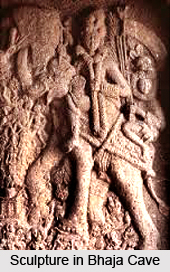
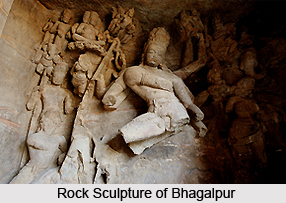
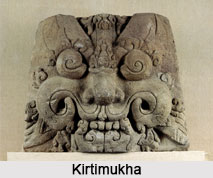
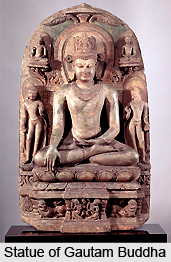
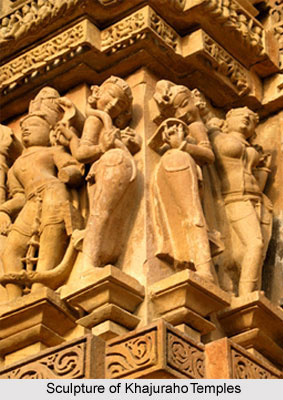
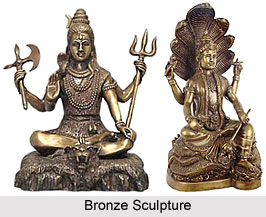
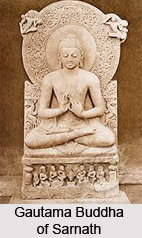
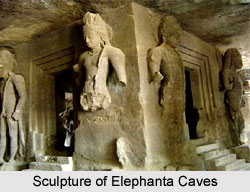
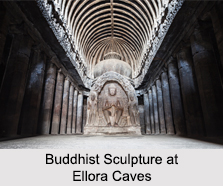
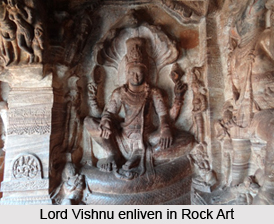
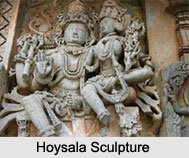
 Sculptures of the Mauryan Empire include those forms of art which were crafted during this period and are renowned specimens of Mauryan Art. The Mauryan Empire is marked for its great achievements in art, culture, architecture and literature, since the period of King Ashoka led to the base of sculpturing art of India in later period. Some of Ashoka`s edicts carved on pillars and rocks made out of shafts of sandstone, represent the earliest known stone sculptures in our country. The rule of the Mauryan Empire is regarded for the period of promotion in the field of art and architecture.
Stupa Sculpture of Mauryan Empire
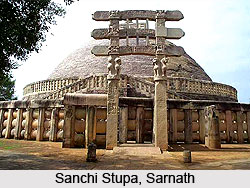
The `stupas` are solid dome like structures built with bricks and stones and they were initially created as symbols of artistic tradition in Mauryan Dynasty. The greatest instances of the architecture of the Mauryan period is the great Sanchi Stupa, Madhya Pradesh, measuring about 54 feet in height, surrounded by exquisitely carved stone railings around it. It is perhaps the finest surviving relic of the Mauryan Empire. It is also famous and notable due to the four gateways, since before this there was no such tradition of carving gateways. These gateways are elaborately carved and depict the various scenes from the life of Buddha and also about the lifestyle of people in that era. So, construction of gateways can be said as the unique architectural technique used by Mauryans. It is believed that Ashoka in total had erected almost 85,000 stupas and pillars. All these monuments are carved in stone and teachings of Buddhism engraved on them. Sarnath in Bihar also boasts of interesting stupas.
 Pillar Sculpture of Mauryan Empire
The Pillars were one of the major works accomplished by Ashoka of Mauryan dynasty. The monument at Sarnath having four lions on it is also a kind of a pillared structure. The pillars of monolithic and smooth columns having more than 50 ft (15 m) height and are carved with lotus capitals and animal figures on it denotes the artistic features of the period. But among these, the most famous Lion Capital (pillar of showing four-lions) erected by Ashoka at Sarnath in Madhya Pradesh in sandstone realistically represents the artistic achievements of Indian artists and patronage of their masters. Two kinds of stone had been employed in the creation of the pillars which consisted of fine grained hard sandstone of Chunar region close to Varanasi as well as spotted white and red sandstone belonging to Mathura. They were erected mainly in the area of the Gangetic Plains. Inscriptions containing principles of `Dhamma` or righteousness were embedded on all these pillars. The Lion Capital at Lauria Nandangarh and Bull Capital of Rampurva are impressive sculptural art which evolved during the Mauryan Dynasty.
Figurine Sculptures of Mauryan Empire
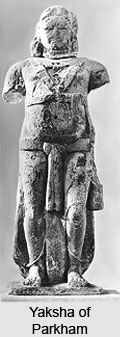
Besides the different forms of stupas and pillars, Mauryan rulers also patronised the sculpting of beautiful figures. The whisk-bearer of Didarganj, female `Yakshi` figurine of Besnagar and the male statue at Parkham deserves a special mention. Numerous terracotta idols were also sculpted by the artisans and clay idols of Mother Goddesses have been revealed by some excavations conducted at Ahicchatra. Certain figures of folk deities carved by the sculptors during the Mauryan Era, exude a beautiful earthy grace.
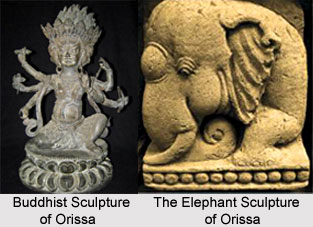
Besides these works of art, rock-cut caves, palaces and buildings constructed in Mauryan dynasty are also noted for the creative artwork. At some of the places, Mauryan art reflected an influence of the sprit of the Persian and Hellenistic art, but while executing the sprit a perfect craftsmanship was acquired by the artist to being solely a Mauryan art. After two thousand years from the period of its construction, today one can see ruins of them in most states of India including Gujarat, Bihar, Madhya Pradesh and Tamil Nadu. Another noteworthy element of sculpture belonging to this era is the stone elephant at Dhauli. The concept of an elephant emerging out of a rock-face is quite unique.