 In Hinduism, the festival of Ganesh Chaturthi is an 11 days affair marking the birth of Lord Ganesha, the Hindu God of wisdom and prosperity. As per the Hindu calendar, the festival begins on the fourth day of the month of Bhadrapada and according to the Gregorian calendar Ganesh Chaturthi usually falls in the months of August and September. In the year 2019, the festival was held on 2nd September.
History of Ganesh Chaturthi
The origin of celebrating Ganesh Chaturthi is unclear but there are many evidences which suggest that the festival can be traced back to the time of Chhatrapati Shivaji Maharaj. It was after the Mughal - Maratha wars, Shivaji initiated the festival to instil nationalistic feelings and promote cultural harmony in his subjects.
Later in the 19th century during the British Rule, since the year 1892, Indian freedom fighter Bal Gangadhar Tilak revived the festival of Ganesh Chaturthi and used it as a platform to spread the message of freedom struggle, which resisted the anti- public legislation ban imposed by the British government on 1892. It was Tilak who first installed large public images of Lord Ganesha in the Bombay Presidency. Eventually by 1893, he expanded the festival and promoted a communal sense of equality among the people with events which were hidden means for political activism, intellectual discourse, poetry recitals, plays, concerts, and folk dances.
 In the south- western state of Goa, Ganesh Chaturthi predates the Kadama Era, who were the rulers of Goa from 10th to 14th century CE. Under the Goa Inquisition imposed by the Portuguese, Hindu festivals were banned and Hindus who had not converted to Christianity were severely restricted. In spite of the restrictions, the Hindu Goans defied the colonial rule and kept practising their religion. They worshipped Lord Ganesha in the form of a patri or leaves, which were used for the worship of the Gods.
Significance of Ganesh Chaturthi
Lord Ganesha is the God of new beginnings and the destroyer of obstacles. He is also the God of wisdom and knowledge and celebrating him brings in good fortune and prosperity to the devotees.
Celebration of Ganesh Chaturthi
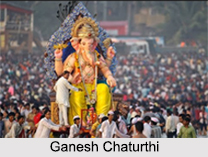
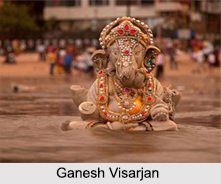
In the Indian states of Maharashtra, Madhya Pradesh, Karnataka, Goa, Telangana, Gujarat and Chhattisgarh, the festival of Ganesh Chaturthi is celebrated in a grand way for almost 10 days. Clay idols of Lord Ganesha are installed in homes and on elaborate pandals, devotes fast for the main ritual and offer prayers while chanting sacred Vedic hymns. The primary sweet dish offered to the lord is modak, which is a dumpling, made from rice or wheat flour, stuffed with grated coconut, jaggery, dried fruits and other condiments and steamed or fried. The festival comes to an end on the day of Anant Chaturdashi. On this day, the idols of Ganesh are taken from various, localities and puja rooms for a truly royal ride. The streets of Mumbai are packed with multitudes as each locality comes out on the streets with its Ganesh.