Nude Photography in India
Nude photography in India occupies a complex space shaped by art, culture, and social norms. While some view it as a legitimate form of artistic expression celebrating the human body, others see it as controversial.

Share this Article:

Introduction

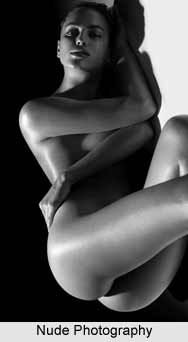
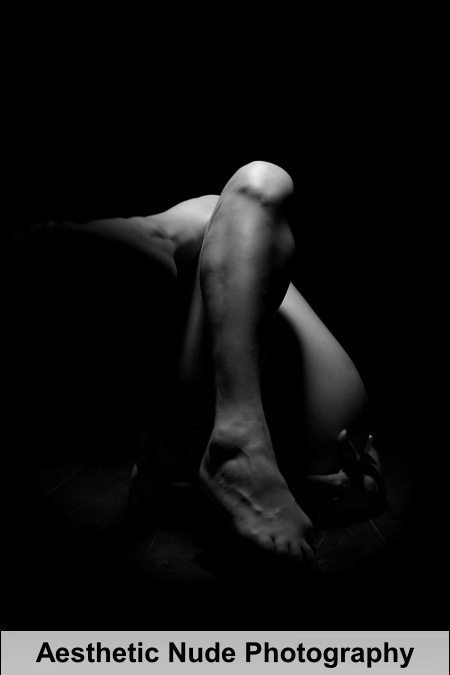
Nude Photography in India is not comparable or related to glamour or erotic photography, as there is no element suggesting sexuality or sensuality. This genre of photography primarily studies the basic human body, instead of the person. These photographs are not like portraits, as in most cases the subject’s face is not revealed. In India, nude photography is done very aesthetically as the poised image of an individual is taken in a motionless position. The human figure is the key objective in this photography. The photographs are enhanced by the use of edgy shadow and light falling over the body to demonstrate formation and texture of the human form. Nude Photography involves capturing of the human body in an artistic and aesthetic manner, without focusing on the subject, but rather showcasing the bare human form.


History of Nude Photography

Earlier, during the 1800’s, nude pictures were depicted in the form of paintings or drawings. Change in the field of nude photography came with the technological advancement in the camera and the camera design. The photographer should know the kind of lights to use to accentuate the emotion and various body parts, one wants to portray and in what manner, so that it does not look flimsy but artistic. The concept of nude paintings since ages, or even when it evolved into nude photography, has been to bring out the emotion through the human figure.


Evolution of Nude Photography

During the early 19th century, fine-art photographers sought to establish photography as a legitimate artistic medium. In doing so, they frequently chose women as subjects for nude studies, arranging them in poses that reflected long-standing traditions found in painting and sculpture. Prior to the emergence of nude photography, artistic representations of the nude often relied on references to classical antiquity. To align their work with established art forms, photographers adopted techniques such as controlled lighting, soft focus, vignetting, and hand retouching, producing images that visually resonated with other artistic disciplines of the time. While many artists in other media used photographs as substitutes for live models, some photographers aimed to elevate their images as independent works of art.

Following World War I, a shift in approach became evident as photographers began to experiment more boldly with the depiction of nudity. They explored reflective distortions, innovative printing techniques, and abstraction, while also moving away from classical references to portray more realistic and contemporary subjects.

In the modern era, the distinction between fine art and glamour photography is often shaped by context and presentation. Fine art images are typically marketed through galleries or dealers, often in limited editions signed by the artist, whereas glamour photography is more commonly distributed through mass media channels. Differences may also be observed in the interaction between subject and viewer. Glamour models often engage directly with the camera, while subjects in fine art photography tend to avoid direct gaze. Although many nude photographers continue to work within established conventions that present the body as a sculptural form, others have intentionally blurred the boundaries between art and erotica. Additionally, contemporary photographers increasingly explore themes of body image, featuring models whose appearances challenge conventional standards of beauty. 


Concept of Nude Photography

It is not difficult to try and frame a nude person in camera. All one needs is a model willing to pose, an innovative mind, clear and lucid vision and spontaneity. There are as many different ways of approaching the nude human body through lens. Many professional photographers have already mastered this art. It is important to spend as much time to study nude pictures as it is in any other forms of artistic photography. One of the things that make the nude photography challenging is that it is not so easy to get emotionally intense about the body in front of the camera. For the molds or subjects of nude photography, this challenge is graver as they need to react to that emotional intensity for the lens to capture. This is quite different from paintings or fine art photography where the picture represents some of that feeling.


Objective of Nude Photography

The focus of the photographer lies in highlighting the basic human form and not in titillating the viewer. Like various aspects of photography in any other field, good nude photography has the objective of depicting something different. One needs to be aware of the difference between looking at the subject and looking at the picture.

Educational Purpose: Nude photography has long been employed in scientific and educational contexts, where its purpose extends beyond aesthetics or sensual appeal. In such settings, the focus is not on the individual subject or the beauty of the image, but rather on its instructional value. These photographs are often used in ethnographic research, studies of human physiology, or sex education, serving as visual aids in textbooks, scientific reports, articles, and research papers. Typically illustrative in nature, they are frequently labeled to highlight specific features and provide clarity within an academic or medical framework.

Advertisement Purpose: At the same time, nudity and sexually suggestive imagery have become increasingly prevalent in contemporary culture, particularly within advertising. In this domain, such imagery is often used as a tool to capture attention, even when it bears little or no relevance to the product being promoted. Advertisers may incorporate elements of nudity, either explicit or implied, alongside glamour photography to engage potential consumers and enhance visual appeal. 

In the realm of fine art, however, the nude is approached from a different perspective. Here, the emphasis lies on aesthetics, creativity, and artistic expression, with any erotic undertones typically remaining secondary. This distinction separates fine art nude photography from both glamour and pornographic photography, although the boundaries between these categories are not always clearly defined. Photographers often rely on their own interpretation when categorizing their work, while viewers bring their own perceptions to the viewing experience. As a result, the nude continues to be a subject of debate across various forms of media, particularly in photography, where its inherent realism can intensify both its impact and its controversy.


Nude Photographers in India

In India, nude photography has not got much exposure, though famous fashion photographers like Vikram Bawa, Madhur Shroff and some others have tried their hands on nude photography and have been successful too. Here are a few contemporary photographers who took the aesthetic of nude photography to a new level. 

Siddhant Vaidya: Mumbai-based photographer Siddhant Vaidya has been exploring nude photography since 2016, a pursuit shaped by his deep interest in figurative art forms. His creative approach reflects a blend of influences drawn from a diverse range of artists and thinkers, including Helmut Newton, Prabuddha Dasgupta, Raja Ravi Varma, Osho, Annie Leibovitz, Bob Dylan, and Sixto Rodriguez. 

Bobby Khurana: Bobby Khurana is a professional editorial and fashion photographer as well as a creative director, known for crafting visually compelling narratives through his work. Each series he captures, is designed to tell a distinct story, reflecting his emphasis on storytelling as a central element of his photography. His images often carry an intimate and evocative quality, aiming to stir a wide range of emotions in viewers. 

Jithin Raaj: Jithin Raaj, a freelance photographer and cinematographer from Kerala, approaches his work with a deeply introspective and human-centered perspective. Through his photography, he seeks to highlight the tenderness and warmth within individuals, qualities he believes are often overlooked or forgotten, yet form the foundation of meaningful human connections. His artistic vision also emphasizes the importance of physical touch, portraying it as a vital expression of shared energy, particularly significant for those experiencing loneliness. At the core of his philosophy is a desire to challenge conventional notions of perfection. He encourages a broader understanding of self-worth, advocating that all individuals are inherently valuable. 

Danny: Danny, a Pune-based engineer and photographer, approaches his work with the belief that the naked body is incomplete without the presence of raw, unfiltered emotions. His photography focuses on capturing the depth of human feeling that individuals carry within themselves. He began his journey into nude photography through self-portraits, a process that gradually evolved into a profound form of self-discovery and appreciation for the human form. Over time, he developed a distinctive style that seeks to portray the body in its most natural and surreal state, free from pretense or constraint. His preference for shooting under natural sunlight further enhances the authenticity of his work. 

Jyotsna: Jyotsna, a photographer from Delhi, approaches nude photography with a strong awareness of the role gender plays in shaping perception and identity. She believes that gender remains central to the experience of both creating and viewing nude imagery, noting that it is deeply ingrained in human existence, often operating subconsciously. In her view, women have historically lacked ownership over their own gaze, as their self-perception has largely been influenced by external perspectives. 

Positioning herself as both photographer and muse, she explores this dynamic through deeply personal work. By becoming her own subject, she has cultivated a sense of self-intimacy and connection that she had not previously experienced. 

Sushobhan Patnaaik: Sushobhan Patnaaik, a business analyst and hobby musician turned photographer, views the human body as a versatile medium shaped by intention and perception. In his perspective, the body functions as a vessel whose purpose is defined by the individual, capable of transforming into a tool, a weapon, a paintbrush, or even a sculpture depending on the mind that guides it. When approaching his subjects, his instinct is to delve into themes of vulnerability, transparency, and primality, using the body as a means to express these fundamental aspects of human experience. 

Raqeeb Raza: Raqeeb Raza, a photographer from Kolkata, views nude photography as a medium that extends beyond aesthetics to create meaningful engagement for both the artist and the audience. His work is deeply influenced by his personal experiences with body image, having struggled to relate to conventional representations of the male physique. Through his photography, he seeks to offer an alternative perspective by portraying everyday male bodies in a way that feels authentic and relatable. 

Trusha Vyas: Trusha Vyas primarily works with self-portraiture, a practice that began as a matter of personal comfort. Initially, she chose to photograph herself to avoid the need for interaction and conversation with unfamiliar people, finding it easier to direct her own expressions in front of the camera. Over time, this approach evolved into a deeply engaging creative process, and she gradually developed a genuine appreciation for working in this introspective and self-directed manner. 

Mohit Tiwari: Mohit Tiwari approaches his work with a strong influence from classical art, often recreating elements of his favorite paintings in his boudoir photography while adding his own distinctive interpretation. His primary intention is to capture his subjects in moments of vulnerability, revealing an honest and intimate side of their personalities. Through his artistic lens, he seeks to evoke a sense of quiet introspection and emotional comfort, portraying individuals within a space where they feel accepted and at ease. His work reflects an effort to highlight the subtle dynamics of trust, intimacy, and connection shared between individuals. 

Anurag Pushkaran: Kochi-based visual artist Anurag Pushkaran approaches photography with an emphasis on authenticity and uninhibited expression. When capturing his subjects, he deliberately avoids considering the perspective of an external viewer, believing that the presence of a “third-person gaze” can influence and limit a photographer’s creative outlook. By setting aside these external judgments, he is able to create an environment free of barriers, allowing his subjects to present themselves more naturally. 

Aryan Shrivastava: Aryan Shrivastava, based in Delhi, approaches the human body with a philosophical perspective, viewing it not as personal ownership but as a gift. In his understanding, the body can exist in countless forms, varying in size, color, and texture. In his work, his attention is drawn first to the skin, which he sees as a canvas of authenticity. For him, the essence of the body lies beyond its physical appearance. Through his photography he intends to capture raw human emotions in its purest form. 

Elina Banerjee: Elina Banerjee, a lawyer and artist, reflects on the human body through a poetic and philosophical lens. She draws parallels between the body and natural elements, likening it to a river, with its marks resembling the bark of a tree, each detail carrying its own story and significance. In her view, the skin serves as a sanctuary that deserves to be embraced and celebrated rather than judged. 

While acknowledging that the body is fundamental to human existence, she also highlights how it has long been subjected to scrutiny, shaped by centuries of idealized standards. Through her perspective, she challenges these conventions, encouraging a more accepting and appreciative understanding of the human form.


Share this Article:

More Articles in Photography in India


Indian Photography
Indian photography gained a dimension both as a concept and as an art form with the time. Indian photography has truly preceded with the concept shifts and with the arrival of digital camera, its practice has broadened, perhaps beyond thoughts.
History of Indian Photography
An overview of the development of photography, through the various stages in India.
Fine Art Photography
Fine art photography is high quality photography fulfill the creative vision of an individual photographer.
Photo Journalism in India
With a host of options to choose from, photojournalism in India has gained substantial weight age amongst students.
Wedding Photography in India
Wedding photography is the most conspicuous part of marriage. It provides one with the opportunity to cherish the wedding time later.
Aerial photography in India
Governed strictly under the eye of Indian ministry of defence, Indian aerial photography is used for governmental.
Architectural Photography in India
With the escalating rise of innovative architectural wonders, Indian architectural photography is banging with a boom.
Styles in Monochrome Photography
With the enlargement of digital technology, monochrome photography became easier today than ever earlier it was.
Indian Photographers
Indian photographers through their creativity and thoughts have added color to the arena of photography.
Fashion Photographers in India
Fashion photographers in India are concentrated not only in the fashion world, but also they take the photographs and carry the photo shoots of the celebrities.
Film Still Photographers of India
Film Still photographers in India are projecting the social programmes, life and society; people and culture; history and faith of India through their clicks.
Tools and Techniques of Photography
Tools and techniques of photography are changing world wide as the advancement of technology makes the images perfect.
Types of Photography
The diverse types of photography involve miscellaneous techniques and the various types of photographers use their talent in their particular field of proficiency.
Nature Photography in India
Capturing the beauty of nature, the natural scenes and the rich textures outdoors is what constitutes nature photography.
Landscape Photography in India
A landscape is a land with aggregate natural features and the photograph of the same is known as Landscape Photography.