
 Psychological Disorders, also known as a "Mental Disorder", are abnormalities of the mind that result in persistent behaviour patterns that can seriously affect ones day-to-day function and life. When a person experiences mood or cognitive problems or behavioural issues for a long time, a psychological evaluation may be beneficial, and a diagnosis of a psychological disorder may follow.
Psychological Disorders
Psychological Disorders are mental dysfunctions in an individual that is associated with distress or impairment and a reaction that is not culturally expected.
Introduction
Psychological Disorders, also known as a "Mental Disorder", are abnormalities of the mind that result in persistent behaviour patterns that can seriously affect ones day-to-day function and life. When a person experiences mood or cognitive problems or behavioural issues for a long time, a psychological evaluation may be beneficial, and a diagnosis of a psychological disorder may follow.Causes of Psychological Disorders
The specific causes of psychological disorders are not known, but contributing factors may include chemical imbalances in the brain, childhood experiences, heredity, illnesses, prenatal exposures and stress.
Symptoms of Psychological Disorders
Symptoms of psychological disorders vary based on the specific disorder, but mood and behavioral symptoms are common. Symptoms can be chronic and relapsing. Some common symptoms include:
•Agitation, hostility or aggression
•Alcohol or drug abuse
•Alterations in energy levels
•Anxiety
•Confusion or disconnectedness
•Erratic behavior
•Irritability and mood changes
•Perception or thought process disturbances, such as hallucinations and delusions
•Persistent or abrupt mood changes that can interfere with day-to-day life
•Problem denial
•Social withdrawal
•Agitation, hostility or aggression
•Alcohol or drug abuse
•Alterations in energy levels
•Anxiety
•Confusion or disconnectedness
•Erratic behavior
•Irritability and mood changes
•Perception or thought process disturbances, such as hallucinations and delusions
•Persistent or abrupt mood changes that can interfere with day-to-day life
•Problem denial
•Social withdrawal
Types of Psychological Disorders
Many different Psychological Disorders have been identified and classified, including eating disorders, such as anorexia nervosa; mood disorders, such as depression; personality disorders, such as antisocial personality disorder; psychotic disorders, such as schizophrenia; sexual disorders, such as sexual dysfunction; and others. Multiple psychological disorders may exist in one person.
Some disorders, such as borderline personality and depression, occur more frequently in women. Others, such as intermittent explosive disorder and substance abuse, are more common in men. Still other disorders, such as bipolar disorder and schizophrenia, affect men and women in roughly equal proportions. For most people depression is a mix of many factors, such as social, environmental and genetic causes.
Some disorders, such as borderline personality and depression, occur more frequently in women. Others, such as intermittent explosive disorder and substance abuse, are more common in men. Still other disorders, such as bipolar disorder and schizophrenia, affect men and women in roughly equal proportions. For most people depression is a mix of many factors, such as social, environmental and genetic causes.
Treatment for Psychological Disorders
Treatment involves psychotherapy to work on behaviours, skill development and thought process. A person may be hospitalized for coexisting medical problems, serious complications, severe disorders or substance abuse. Medications can be quite helpful for some psychological disorders.
Properly treated, people who have psychological disorders often improve; however, relapses are possible. Left untreated, some psychological problems can lead to academic, legal, social and work problems. Alcohol poisoning, drug overdose, suicide, and violent behaviour are other potential complications. Psychological disorders can have serious, even life-threatening, complications.
Properly treated, people who have psychological disorders often improve; however, relapses are possible. Left untreated, some psychological problems can lead to academic, legal, social and work problems. Alcohol poisoning, drug overdose, suicide, and violent behaviour are other potential complications. Psychological disorders can have serious, even life-threatening, complications.
Naturopathy for Psychological Disorders
 Naturopathy is a complete and coordinated approach to health care, integrating modern advances in science with natural and traditional forms of medicine. It is the art and science of disease diagnosis, treatment and prevention using natural therapies which includes nutrition, botanical medicine, homeopathy, physical medicine and lifestyle counseling. Naturopathic therapies are also very effective in helping reduce drug side effects. Its holistic approach incorporates the physiological, psychosocial, spiritual and lifestyle factors affecting health, emphasizing disease as a process rather than disease as an entity.
Nutrition for Psychological Disorders
Food and nutrition are intimately tied to mood and mental function. A deficiency or excess of a single nutrient can alter neurotransmitters in the brain leading to depression, anxiety and other mental disorders. Studies show that a lack of certain nutrients may contribute to the development of mental disorders.
The foods have a direct impact on the chemistry of the human bodies and brains and, therefore, on mood, thoughts and behaviour. The brains require the correct balance of amino acids, fats, vitamins, minerals and glucose in order to function properly. Paying attention to the foods one eat as well as enhancing the intake of particular nutrients through either food or supplements can be extremely helpful in the management of mental health concerns. Optimizing the intestinal tract to promote a healthy balance of intestinal bacteria can play a significant role in balancing the mood and mental health.
There are many herbs that have been effective at treating a variety of mental health issues including depression, apathy, anxiety, mania, sleep disturbances, eating disorders and more. Lifestyle counseling is another important part of Naturopathy that can provide supportive guidance for stress management, diet and lifestyle, exercise programs etc.
Regular Care for Psychological Disorders
Yoga and Pranayama plays an important role in ones life to become healthy. Pranayamas are helpful to remove bad toxin from the body and give positive energy. Pranayama and Yoga brings stability, calms the mind, improve blood circulation and cure depression, stress and anxiety. Some yoga asanas like Halasana, Sarvangasana and Shavasana are very important to cure depression, stress and anxiety.
Meditation is now commonly used to treat mental health disorders, addiction, and everyday stress, as well as to heal physical ailments and promote better sleep. Meditation techniques such as quietening the mind, understanding self and exercising control, acts as an alternative tool to regulate emotions, mood and stress.
Recently updated articles in Naturopathy in India
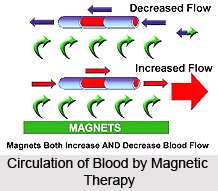
Effect of Magnets on Human Body
Magnets have a stimulating effect on various body systems such as digestive, urinary, respiratory. Magnet has its affect on blood and hence it influen...
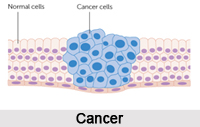
Cancer, Disease
Cancer is a malignant in which a group of cells display uncontrolled growth.

Principles of Massage
Principles of Massage are consisted of proper intricacies and sequence.
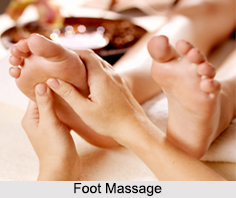
Foot Massage
Foot Massage is an extremely healing and effective therapy in Ayurveda, which can eliminate several problems in the entire body.
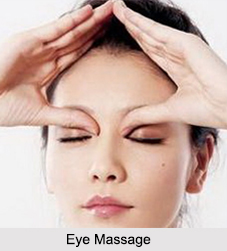
Eye Massage
Eye Massage helps to make the eyes cool and calm making the muscles stronger.
Related articles in Naturopathy in India

Nature Cure Treatments
Nature Cure Treatments comprise the use of natural elements and healthy lifestyle for healing various ailments and staying fit.

Water Therapy
Water therapy is an alternative therapeutic method that cures many diseases.
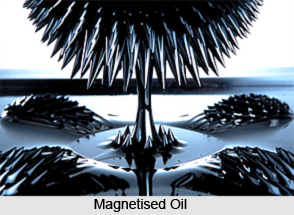
Magnetized Oils
Magnetized Oils are prepared either on the North Pole or the South Pole.