
The Aluvars were twelve individuals, who were renowned in different ways in the first establishment of Vaishnavism. They are regarded with high admiration by modern votaries. They were considered metaphorically as the incarnations of Vishnu`s arms, ornaments or attendants.
These twelve Aluvars were:
•Poyalvar
•Puthatalvar
•Peyalvar
•Tirumal Peyalvar
•Namalvar
•Kulasecharalvar
•Periyalvar
•Tirupanalvar
•Tirumangayalvar
•Tondamalvar
•Yempramanar or Yetiraja, or Ramanujacharya
•Kurattalvar.
These twelve heads and original leaders of the Vaishnava faith existed in the Peninsula only. They were born in various places, and lived in different times. Earlier, the Shaivism was much prevalent in the Peninsula and in some cases it was established by exterminating the Buddhists or Jains who preceded them.
When the Vaishnavas or the Aluvars came, they had not only to deal with a rude and savage people but also had to contend with the shrewd and powerful Shaivas already in possession. These Aluvars started translating portions of the Vedas into Tamil poetry, now known as the `Tirumorhi` or sacred word.
Aluvar
The Aluvars were twelve individuals, who were renowned in different ways in the first establishment of Vaishnavism.
Recently updated articles in Religion in India
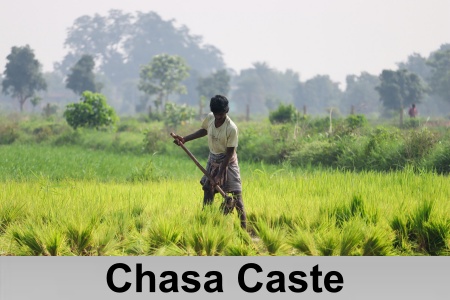
Chasa Caste
Chasa caste is a prominent agrarian community native to Odisha. Traditionally associated with cultivation and farming, Chasas have historically played...
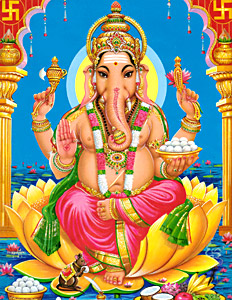
Vigneswara, A Form of Lord Ganesha
Lord Vigneswara is another form of Lord Ganesha or Vinayaka, prominently worshipped as the God of intelligence and good luck in the Indian subcontinen...
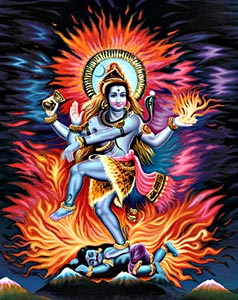
Maheswara
Maheswara, meaning “the Great Lord,” is a revered name of Lord Shiva in Hindu tradition. It represents Shiva’s supreme authority over creation, preser...
Anganyasa and Karanyasa
Anganyasa and Karanyasa are preparatory rituals in Hindu worship that sanctify the body and hands through the recitation of sacred mantras and symboli...
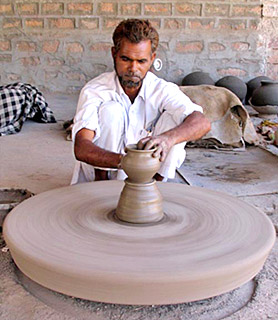
Kumbhakar / Kumhar Caste
Kumbhakar or Kumhar caste is a traditional artisan community in India known for pottery making. Derived from Sanskrit word Kumbhakar, meaning potter,...
Related articles in Religion in India
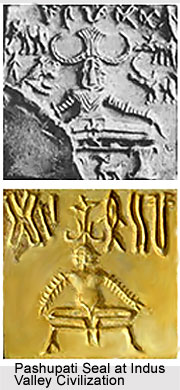
Religion in Indus Valley Civilization
Religion in Indus Valley Civilisation included Hinduism, Buddhism and Jainism. Details about the religion in Indus Valley Civilization have been gathe...
Iyer Brahmin
Iyer Brahmins are originally from Tamil Nadu of South India. They are known for their adherence to Advaita philosophy and Smarta traditions. Tradition...
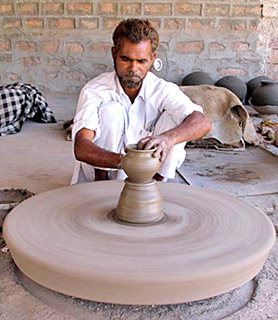
Kumbhakar / Kumhar Caste
Kumbhakar or Kumhar caste is a traditional artisan community in India known for pottery making. Derived from Sanskrit word Kumbhakar, meaning potter,...

Gujjars in Mughal Era
Gujjars in the Mughal era enjoyed great power. Further their power increased with the decline of Aurangzeb, Mughal emperor.
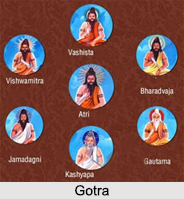
Gotra in Hinduism
In Hinduism, gotra refers to a lineage system tracing descent from ancient sages, primarily through the paternal line. Originating from Vedic traditio...