Introduction
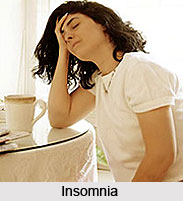 Insomnia or sleeplessness is a modern age complaint which is becoming more common due to worry, mental strain, over-use of stimulants like tea and coffee, lack of physical exercise, sleeping in over-crowded and ill-ventilated rooms, etc. Occasional sleeplessness is but natural, but persistent insomnia is a disease that should be treated because it can greatly affect the overall health of person.
Symptoms of Insomnia
• Heaviness in head
• Feeling of pain in head
• Nausea
• Feeling of tiredness and weakness
• Body ache
• Burning sensation in eyes
• Irritation
Causes of Insomnia
 The main causes of Insomnia are digestive disorder, Constipation, mental tension, fear and worry etc. Even addiction to T.V. and reading of books, use of Tea, Coffee and other intoxicants also delay the sleep. By in ordinate increase in blood flow toward head the sleep disappears. Mind obsessed by thoughts at the time of sleep, becomes tense and disturbed and vanishes the sleep. Obscene literature disturbs the mind and prevents sleep.
Natural Remedy for Insomnia
 In the natural cure of insomnia, early to bed and early to rise is a good rule. Two hours of sleep before midnight are more beneficial than four after. Research has shown that people with chronic insomnia almost invariably marked deficiencies of such key nutrients as B-complex vitamins, and vitamin C and D as also calcium, magnesium, manganese, potassium and zinc. The sleep mechanism is unable to function efficiently unless each of these nutrients is present in adequate amounts in the diet. A balanced diet with simple modifications in the eating pattern will go a long way in the treatment and cure of insomnia. Such a diet should exclude white flour products, sugar and its products, tea, coffee, chocolate, cola drinks, alcohol, foods containing additives that are chemicals for preserving, colouring and flavouring, too much use of salt and strong condiments.
In the modified eating pattern, breakfast should consist of fresh and dried fruits, whole cereals, seeds and yogurt. Of the two main meals, one should comprise a large mixed salad and the other should be protein-based. A cup of milk sweetened with honey at bedtime is helpful as the amino-acid tryptophan contained in milk induces sleep. Any attempt to force sleep only drives it further away. It is better to redirect the mind with soft music or light reading. While going to bed, the patient should visualise a blank black wall occupying the entire field of vision. During the night, the position of the arms and legs should be changed regularly and a healthy sleeper usually shifts from one side to the other a number of times in the course of the night.
 Controlled breathing is also a great help in inducing sleep. The method is to lie on one`s side in bed, and then take three deep breaths expanding the abdomen entirely. Then breath should be held as long as possible. While holding breath, carbon dioxide accumulates in the body and induces natural sleep. Regular, active exercising during the day and mild exercise at bedtime enhances the quantity and the quality of sleep. Exercise stimulates the elimination of lactic acid from the body which correlates with stress and muscular tension. Regular exercise also produces hormonal changes which are advantageous to the body and to the sleep pattern. Walking, jogging, skipping, swimming are all ideal exercises. Vigorous exercise should, however, be avoided at night as this can be over-stimulating.
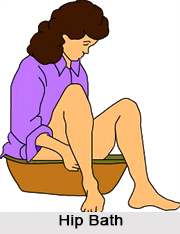
Yoga asanas helps a majority of cases of insomnia in two ways. Firstly, yoga treatment helps tone up the glandular, respiratory and nervous system. Secondly, yoga also gives physical and mental relaxation as a safety value for one`s disturbing problems. The traditional yoga asanas which are effective for insomnia patients are shirsana, sarvangasana, paschimottanasana, uttanasan, viparita karani and shavasana. Hydrotherapy is also effective in treatment of insomnia. Along with the various measures for the treatment of insomnia, all efforts should be made to eliminate as many stress factors as possible. The steps in this direction should include regular practice of any relaxation method or meditation technique, cultivating the art of doing things slowly (particularly activities like eating, walking and talking), cultivating a creative hobby and spending some time daily on this, avoiding working against unrealistic targets and completing one task before starting another.
Yoga for Insomnia
Insomnia is a symptom of a sleeping disorder characterised by continual difficulty in falling asleep or staying asleep despite all the comfort. Insomnia is a symptom, not a static diagnosis or a disease. It is usually followed by functional mutilation while awake. Insomnia may be due to various reasons; like hormonal imbalance, antibiotic drug, mental disorders, hyperthyroidism, and medications.
Yoga is suitable for people of all ages and provides a holistic healing to the human body and mind. It also cures Insomnia with time and benefits sleep in many ways. The problem of Insomnia is thus greatly solved by the regular practice of meditative and cultural Yoga asanas. The quality of sleep also improves because of the stimulatory effect yoga bestows on the nervous system, and in particular, the brain. The practice of certain yoga postures increases the blood circulation to the sleep center in the brain, which has the sedative effect of normalising the sleep cycle. One will need less sleep because yoga increases the rate of elimination of toxins from the body and rejuvenates the entire body right down to cellular level. The practice of breathing allows for more oxygen in the body providing transparency to the mind. Yoga therefore helps one to fall asleep sooner and also improve the quality of the sleep.
The individual will have a more restful sleep because of the relaxing aspect of yoga and the subsequent relieving of stress, tension and fatigue. However, one should also bring some changes in his/her diet, besides executing a regular routine of Yoga. One should avoid stimulating drinks containing caffeine before bedtime and also avoid alcohol. The last meal should be taken at least three hours before bedtime. Relaxation techniques like having a warm bath, fresh air circulation in the room and others also help one to overcome the problem of Insomnia.
Yoga asanas for Insomnia are as follows -
 • Simple stretching and relaxation exercises of yoga can increase suppleness, enhance mental and physical relaxation, and improve the quality of the sleep.
• One can use breathing techniques like Pranayama for five minutes to relax and unwind from daily activities.
• Gentle stretches for ten minutes are very important for a good sleep. One should stretch only as far and as he is comfortable.
• The complete body stretch helps in Insomnia. Inhaling deeply, one should raise the arms above the head with hands clasped, and come up on to the toes. Stretch the whole body upward, exhale and then bring the arms to the side, and lower the heels to the floor.
• Three-part breath is a technique of Yoga that is very helpful for clearing the mind of the day`s clutter. One should use this simple exercise to prepare the body for sleep.
• Neck exercises are very important in dealing with Insomnia. One should turn the head to right and left to free any tension in the neck muscles and let the neck relax. Finally one should tense the facial muscles and then release them, one should drain out all the tensions around jaw and mouth, the eyes, and away from the forehead.
Yoga Nidra Relaxation is an excellent process to overcome the trouble of Insomnia. It is the concept of pure sleep without any stress or pressure. One should breathe deeply and evenly through both nostrils for several seconds and feel the breath flow right down into the abdomen. As the person exhales, one should let any remaining tension in the body to flow out with it. While this exercises, one should visualize a relaxing scene, and then flex the feet hard. As the person feels the tension draining down from the feet, ankles, calves, knees, thighs, buttocks, and abdomen then he should exhale. One should focus on the hands and shoulders; the shoulder blades should be relaxed three times.
Exercising regularly helps one to sleep better at night. Vigorous yoga, such as power yoga or Ashtanga, done at least three times a week is a good choice to fight with insomnia. However, one should avoid intense exercise right before going to bed by doing the practice earlier in the day. Before going to bed, one may do a few gentle stretches to relieve tension and help one to relax. Corpse pose or Savasana ends every yoga class, and it is a good way to end the day too. Lying in bed, one should focus on each part of the body and soften it before moving on. The person should spend a few minutes just breathing and concentrating on the breath. This helps to create a break from the active mind and allows one to relax for sleep. Insomnia is one of the many ailments that regular Yoga can easily solve.
DISCLAIMER - The Yoga asanas prescribed above should be strictly performed under the supervision of an experienced Yoga teacher.
Treatment of Insomnia by Aromatherapy
The oils that can prove beneficial in the treatment of insomnia are: Camomile, Sandalwood, Ylang ylang, Patchouli, Neroli & Marjoram. The procedure for using the same is as follows:
• You can use ten drops in your bath and soak well.
• Or for massage use twelve drops in 4 fl oz (100 ml) of carrier oil.
• Or inhale neat and sprinkle a few drops on your pillow.
• Camomile is one of the most sedative oils and you could also try using it in a burner, and drinking camomile tea before you go to bed.
Treatment of Insomnia by Magnetic Therapy
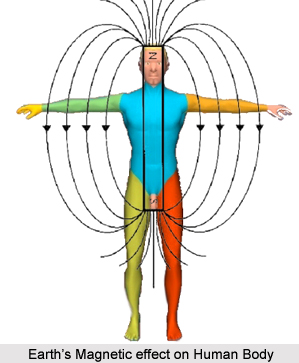
The South Pole CCM on the forehead for 15 to 20 minutes at bedtime induces good sleep and will prevent a chronic tendency to insomnia. Mixed magnetized water should also be taken thrice daily.
Homeopathy for Insomnia
 Mental tension, worry, excitement, lack of physical fatigue, adverse weather, tight clothing, uncomfortable mattress and drinking tea or coffee all can lead to sleeplessness or Insomnia. Indigestion and gas-trouble can also drive sleep away. Besides, sleep has a tendency to gradually diminish with advancing age.
There are various treatments in homeopathy that are useful for this disease.
Arsenic 30: Useful for sleeplessness from anxiety and fear, the person just cannot fall asleep from 12 to 2 a.m., sleeplessness causes undue prostration, the person likes to sleep in `head-high` position. These are the symptoms for which the said medicine is required.
Coffea 30: This medicine can be useful to treat sleeplessness due to excitement, especially from joyous ideas, light sleep with almost constant movement of the body, especially after 3 a.m.
Gelsemium 30: Gelsemium 30 is used for sleeplessness from physical exhaustion and excessive thinking, the person is drowsy, yet cannot fall asleep. Other general features include as a nervous, apprehensive nature, Thirstlessness and trembling of the body.
Nux vomica 30: This medicine is useful for sleeplessness from abuse of stimulants like tea, coffee or alcohol, sleeplessness from lack of physical fatigue due to sedentary life-style, cannot sleep after 3 a.m. until towards morning, awakens feeling tired and wretched, other general features include as highly irritable and sensitive nature, frequent, ineffectual desire for stools, aversion to cold air.