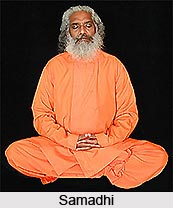
Pratyahara is a bridge between the bahiranga aspects of yoga and the antaranga yoga. The aspects of Bahiranga are yama, niyama, asana, pranayama, and the antaranga yoga. One who practices pratyahara can engage into the practice of Samyama. At pratyahara stage an individual`s consciousness is internalized in order that the sensations from the senses of taste, touch, sight, hearing and smell don`t reach their centers in the brain. This takes the sadhaka to the next stage of Yoga such as Dharana and Dhyana and Samadhi that is the ultimately the aim of all Yogic practices.
The word Pratyahara has been derived from two Sanskrit words: prati and ahara. Prati means away or against. Ahara means food or anything taken into ourselves. The entire word means intake. Pratyahara is the fifth limb of Patanjali`s Ashtanga Yoga.
Types of Pratyahara
Withdrawal of Senses or Indriya Pratyahara
This exercise involves withdrawal of senses into our physical being, coming from our five senses and thereby hinders collection of the mind as in Dharana which is the next stage of Yoga.
Withdrawal of Prana or Prana Pratyahara
In order to have control over senses one requires mastery over the flow of prana. In order to stop the scattering of valuable vital energy of the body one need to seek control over its flow thereby it. The entire focus is brought to a single point in the body.
These lead to the subsequent two types of pratyahara: `Karma pratyahara` and Mano pratyahara. Karma Pratyahara entails control of motor organs and right action. Karma Yoga surrenders every action to divine and perform it as an act of divine service. `Mano pratyahara` is practiced by consciously withdrawing attention from anything that is not wholesome and disturbing for the mind.
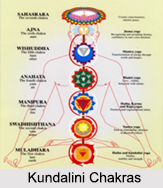
One of the most common practices for Pratyahara is Pranayama. Another method is used in the development of Pratyahara that is to concentrate on the point which is between the eyebrows. This is known as Ajna Chakra or the third eye. Another technique is to reduce physical stimuli thereby concentrating on one sense like hearing.