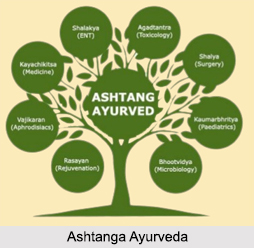
According to Asthanga Ayurveda, a nutritious diet followed by proper digestion is essential for a healthy and fit body, which is immune to diseases. In the human body, there are three main categories of biological factors, presumably functioning as enzymes that assist in all the metabolic processes of the body. These factors are collectively known as body fires or agnis. By regulating the body`s metabolism, Agni helps the body to produce secretions, generates energy and also helps in sustaining the body and restoring it back to health. Agni can also be considered as a part of the immune system since the heat of agni kills or weakens harmful organisms and destroys toxins. The three categories of Agni are Jatharagni or Kosthagni, Panchabhutagni and Dhatvagni. Jatharagni or Kosthagni is the digestive fire that controls the various digestive processes within the body. An optimum balance of the digestive fire is vital for initiating proper digestion. When there is imbalance in the body fire, proper digestion is hampered resulting in the formation of what in Ayurvedic terms is known as aama. In short, aama is mucus like substance that is formed when the food or medicinal drugs that we consumed are poorly or incompletely metabolized. It is a toxin that the body needs to get rid off in order to resume its normal functions. Aama is usually produced in the body when the digestive fire or jatharagni becomes weak and hence cannot function properly. Ashtang Ayurveda holds that the body generates aama when there is an imbalance of the doshas.
According to Ashtang Ayurveda, each and every disorder in the body is an outcome of the building up of aama. Aama is the fundamental internal source, which initiates disease, helps in establishing it and impedes the body machinery if not tackled in time. The balance of the three basic doshas or bodily constituents, namely vata, pitta and kafa maintains the body`s normal state of health or prakruti. When this balance is disturbed, it leads to a state of poor health known as vikruti. Optimum concentration of Agni ensures that vata, pitta and kapha are in balanced state, the seven body tissues or dhatus are functioning normally and the malas or the waste products are being properly eliminated. Unhealthy or improper diet, daily habits that are detrimental to health, defective life style, exposure to abrupt seasonal changes, mental or physical stress, and other such things act as catalysts in producing imbalance in the three doshas. This further initiates disorders in the body tissues, which in turn produces aama by affecting the body fire.
After its formation, aama circulates throughout the body, gets mixed up with the body tissues and blocks the transporting channels. Once settled it begins affecting the body and the mind both structurally and functionally, thereby producing diseases. The body has an innate tendency to eliminate aama by natural ways and means. But when the body fails to do so, it eventually falls prey to disease and ultimately collapses. Ayurvedic practitioners suggest that if we switch over to proper diet, appropriate life style (which includes exercising), or change our social and personal harmful habits, we can regain good health.
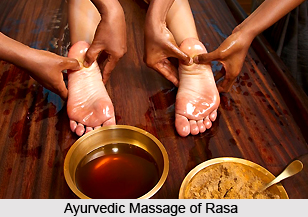
If the disease due to accumulation of aama has gone beyond control, Ayurveda suggests treatments like soothing (shaman) or thorough cleansing (shodhan). Shaman is applied when aama accumulation has not reached the stage of disease and is still in the dormant stage. Shodhan is used when the disease has already manifested itself in the body and consequently the body has started showing symptoms. Shaman is a gentler method than shodhan. Shaman does not need any initial preparation but shodhan requires body preparation or purvakarma. Purvakarma incorporates the application of medicinal oil by massaging (snehan) followed by artificially induced medicated sweating (swedan). These procedures facilitate the liquefaction and the eventual elimination of the aama that has accumulated. Shodhan incorporates techniques such as induced vomiting (vaman), bowel cleaning with oral medicines (virechan), monitored rectal enema (basti), approaching the source of disease through the nose (nasya) and an attempt to remove bad or impure blood (raktamoksha).
Thus we conclude that the digestive fire or Agni, which regulates digestion, leads to the accumulation of aama within the body. If the body naturally fails to eliminate this aama, ayurveda suggests procedures like shaman and shodhan that can help one to achieve health again.
Aama
Aama is half-digested mucus produced in the body when the body`s normal digestive process is hampered.