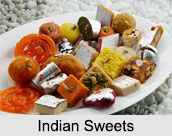
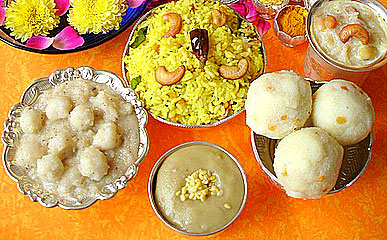
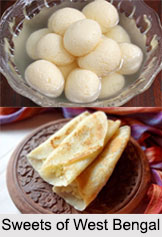
 Sweets of West Bengal occupy a prominent place in the Indian cuisine. The sweets from this eastern part of the country are known for its rich taste and texture. Most of the sweets in West Bengal are made from "Chhana" or cottage cheese. Some of the well known sweets in West Bengal are "Sandesh", "Rosogolla", "Kanchagolla", "Chamcham", "Kalojam" and a lot more. Chhana-based sweets in Bengal are too numerous to enumerate in full.
Sandesh of West Bengal
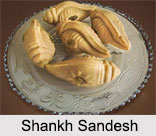
Sandesh is made from sweetened and solidified Kheer. Since the dryness of the kheer made it easy to preserve, Bengalis developed the custom of carrying some sandesh with them whenever they visited some-one. The term "sandesh" also meant news and the sweet, therefore, became the perfect offering for visitor bearing news.
The chhana for sandesh can be pressed, dried, flavoured with fruit essences, coloured and cooked to many different consistencies, filled with syrup, blended with coconut and moulded into a variety of shapes. The names of the sandesh are based on form, content, consistency and flavour.
Rosogolla of West Bengal
 Next to sandesh, the Rosogolla is the best known as the representative sweet from West Bengal. It is made of cottage cheese that is formed into balls and soaked in sweet syrup. This delicacy was invented in Kolkata by confectioner Nabin Chandra Das in the 1860s.
Mishti Doi of West Bengal
Mishti Doi is synonymous with West Bengal and is one of their most famous desserts. It tastes great and is amazingly simple to make. It is the quintessential Bengali dessert. Made with condensed milk and caramelized sugar that simply melts in the mouth.
Patishapta of West Bengal
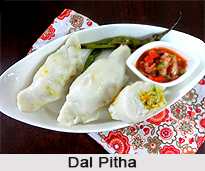
Patishapta is prepared with rice flour, refined oil and semolina through which its thin crepes are made. Patishapta is stuffed with jaggery and coconut filling. A bit of sweet thickened milk is drizzled on top of the roll before serving.
Other syrup-soaked sweets made from chhana include "Chamcham", "Pantua", "Chhanabora", "Chhanar Jilipi", "Rosomundi", "Golapjaam" and "Kalojaam". Every district in West Bengal has a special sweet recipe of its own. "Langcha", "Mihidana" and "Sitabhog" of Bardhaman, "Sharbhaja" of Krishnanagar, "Chanabora" of Murshidabad and many more districts serve their special sweets that are famous around the nation.
Sweets occupy an important place in the diet of Bengalis and at their social ceremonies. It is an ancient custom among both Hindu and Muslim Bengalis to distribute sweets during festivals.