Asanas or some specific physical features form an essential part of Hatha Yoga. It is believed that the knowledge of Hatha Yoga was expounded by Lord Shiva or Adinatha. It has been said that just as house protects an individual from the heat of the sun similarly Hatha Yoga protects the yogi from the three Tapas. A practitioner of Hatha Yoga should always keep the knowledge of Hatha Yoga a secret because exposing of the knowledge makes the yoga impotent and concealing of the knowledge makes it potent.
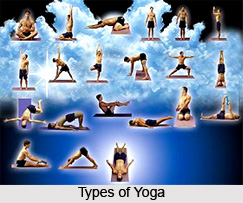
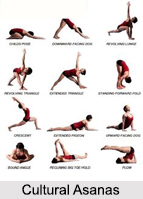
Asanas are the first accessory of Hatha Yoga. Asanas are practised in Hatha Yoga in order to attain a steady posture, health and lightness of the body. Some of the Asanas incorporated within the Hatha Yoga are Swastikasana, Gomukhasana, Virasana, Kurmasana, Kukutta Asana, Utaana Kurmasana, Dhanurasana, Matsyasana, Padmasana, Savasana, Siddhasana, Simhasana and a lot more.
The various asanas of Hatha Yoga represents various physical postures. For instance Gomukha asana brings about the position of a cow and Uttana Kurmasana brings about the position of a tortoise. Moreover practise of these asanas also brings about a lot of benefits in the human body or it can be said in the body of the Yogi.
 For example Matsyasana increases appetite in the human body and is known to destroy a number of diseases in the human body. Savasana gives rest to the human mind. It is said that Siddhasana paves towards salvation. In fact Siddhasana is considered to be the chief of all asanas. Padmasana on the other hand is the destroyer of all diseases. It has been said that Padmasana cannot be practised by every yogi; only the intelligent among the yogis can practise Padmasana in a correct way. It has been said in the Hatha Yoga Pradipika that proper practice of the asanas included in the Hatha Yoga enables an individual to become unattached from all worldly objects of enjoyment.
The Asanas in Hatha Yoga should be practised in a solitary place which is free from all kinds of disturbances and in a country which has proper justice and food and water is achieved in abundance. Hatha Yoga should be practised in such a room which is free from all kinds of dirt and filth.
Certain habits destroy the practices of Hatha Yoga like over eating, unsteadiness, talkativeness and lot more. On the other hand certain practises add to the effects of Hatha Yoga. They are courage, faith, aloofness from company.
At the same time it has also been mentioned that a Yogi should stay away from certain food habits and should adhere to some kinds of food.
Knowledge of asanas is not enough it has been mentioned that practise is the way to success. The Asanas of Hatha Yoga should be practised in a proper manner in order to achieve the fruits of Hatha Yoga that is Raja Yoga.