Human vertebrae are linked with each other with the discs, which act like shock absorbers of the spine. One of the ailments that can occur in the human vertebrae is the slipped disc which generally occurs in lower back. There is a posterior displacement of a particular part of an intervertebral disc, giving rise to the compression of the peripheral nerve. Most common cause for a slipped disc is sudden jerky movement of the lower back while lifting a heavy weight from the floor without bending the knees. It may also happen due to sudden rise of pressure during sneezing. It usually affects people with weak back muscles from sedentary lifestyle. To treat this ailment there are different kinds of yogic treatments.
Severity of symptoms for slipped disc depends upon the extent of the disc prolapsed. This makes the person immobile. Severe spasm may also occur due to extreme pain. This severe pain increases if complete bed rest is not taken. The entire backbone becomes stiff and tender from a sharp localized pain in that area. This leads the patient to become irritable and depressed.
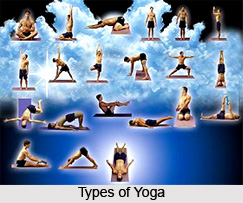
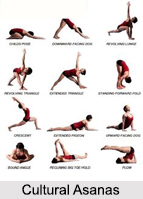
 To reduce the pain arising out of the slipped disc the patient would need complete bed rest for 8 -10 days for effective management of pain during acute stage. Yoga asanas, like, Ardha-Halasana, Setubandhasana, Makarasana, Niralambasana, Ardha Salabhasana, Brahmamudra, Parvatasana, Tadasana, Supta-tadasana, Chakrasana, Savasana (sideard bending) can be practiced by the patients but under proper guidance. Besides these the practice of Anuloma-Vilomaand the recitation of Om mantra are also advisable
Ceratin precautions are to be taken by people suffering from slipped disc:
•The patient should avoid jerky and hasty movements of the spine
•Patients are advised to avoid forward bending at least initially for first 2-3 months after the prolapse of the disc.
•Patient should avoid sitting or standing for long hours.
•Use of lumbar belt is advised during travelling and movements.
•Morning walks are always beneficial.
•Overeating and massages should be strictly avoided.
•A hard bed should be used for sleeping
•One must not sleep with straight legs in supine condition. One leg or both legs should either be folded or he/she may sleep on any one side.
Yoga asanas prescribed above should be strictly performed under the supervision of an experienced Yoga teacher.