The valleys of the Krishna and the Godavari and the plateau of the Sahyadri Hills are known as Desha and the Brahmins from this region are called Deshastha Brahmins. Vedic literature describes people closely resembling the Deshastha Brahmins and so it may be said that this community is as old as the Vedas.
The Deshasthas are spread all over the Deccan, especially in the states of Maharashtra, Karnataka and Andhra Pradesh. They are intensely religious, steeped in rituals, trustworthy and hardworking. They have produced saints, politicians and men of learning.
There are two major groups in the community. The people of one follow the Rig Veda and are called Rigvedis and those of the other the Yajur Veda and are known as Yajurvedis. There is not much difference in the rites and rituals of these two groups but among the Yajurvedis a boy is not allowed to marry the daughter of his maternal uncle. No such restriction, however, exists among the Rigvedis.
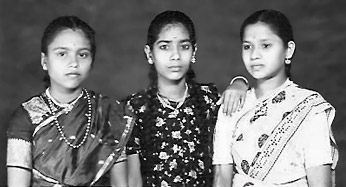 Deshastha Brahmins generally have a sturdy physique, high forehead and a dark complexion. They are usually intelligent, courteous, honest and hospitable. Their love for religion and God makes them ethical. Most of the well-known saints from Maharashtra, Karnataka and Andhra were Deshastha Brahmins. They are also peace loving, just, conscientious and reliable.
The surnames of Deshasthas are peculiar. Some surnames indicate traditionally held administrative offices, for example, Kulkarni, Deshpande, Patil and Deshmukh. Others indicate physical and mental characteristics such as Hirve and Buddhisagar. Most are derived from the name of the native place of origin. In Karnataka and Andhra Pradesh are found place names such as Gokak, Anikhindi and Bewur, while in Maharashtra the suffix `karis` attached to the name of the place to make it a surname as in Mangalvedhekar, Gajendragadkar and Junnarkar.
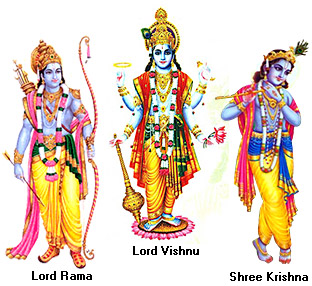
Each family has its own deity which is the `kuladevata` and it is strongly believed that if this deity is not properly propitiated by rites and rituals, the well-being of the family will be threatened. Every village also has its own deity (gramadevata) and it is presumed that the wrath of this deity brings on epidemics, natural calamities and invasions. The deities commonly worshipped are Narasimha, Shiva, Vishnu, Vyankatesa, Rama and Hanuman. The major goddesses worshipped are Bhavani of Tuljapur, Ambabai of Kolhapur and Yamai of Aundha. Khandoba of Jejuri and Pali are also worshipped. In Karnataka, Krishna at Udipi, Vyankatesa at Tirupati, Yellamma at Sundatti and Banashankari are some of the other prominent deities.
Navaratri, during the first nine days of the month of Ashvina, is the most popular festival of the Deshasthas. Fasting during this time and keeping it till lamp is burning continuously before the household deities is obligatory. Every day hymns from the Durga Saptashati, which describe the noble and heroic deeds of the mother goddesses, are recited. Towards the end of the festival, offerings of bangles, rice balls, coconuts and others are made to agni (fire). A virgin and a married woman are invited to the festive meals. Other Navaratris like Champashashthi and Narasimha are also observed by certain groups.
In the old days, a Deshastha marriage used to last five to six days. In Maharashtra, the bride`s party is supposed to offer karhi bhat (rice and curd curry) to the bridegroom`s party on the eve of the marriage but in Karnataka a variety of food and sweets are served. Though customs vary from place to place, the distinguished feature of this community is that they are connoisseurs of food. Other Hindu rituals like kanyadan, lajaboma, saptapadi are meticulously performed at the marriage ceremony.
The community has produced a number of acharyas who have presided over various maths. These seats of religion and learning spread the teachings of the Vedas, Smritis, Puranas and especially the Advaita philosophy all over India. Among other prominent cults started by them is the Mahanubhava, which has a special significance in Maharashtra since it produced the first written literary work in Marathi, the Leela Charitra by Chakradhar.
The Bhagavat cult was started by the great saint of Maharashtra, Dhyanesvara, who was one of the greatest mystics of India. Vithal worship was accepted and made popular by this cult.
Eknath was another great saint who developed these teachings further by his learning and devotion. Dhyaneshwari and Eknathi Bhagavat are two great works written by these two religious teachers through whom the teachings of the Vedas reached the common man.
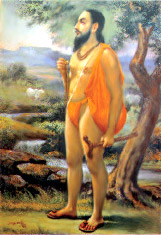 The Ramdasi cult was started by the great saint, Ramdasa, who preached the harmony of spiritual, material and political value in life. This cult emphasizes asceticism and devotion to duty. Dasabodha is its main contribution. The Dasa cult was the mainstream of spiritual life and teaching in Karnataka. It mainly preached the philosophy of Bhakti and produced great saints like Purandaradas, Vijayadasa and others.
Deshasthas have contributed to mathematics and literature as well as to the cultural and religious heritage of India. Bhaskar II was one of the greatest mathematicians of 12th century India. Eminent pundits and philosophers like Yajnavalkya, Vasishtha and Bharadvaja are said to have belonged to this community. In Sanskrit literature, Bhavabhuti (8th century) is held by many to be second in dramatic genius only next to Kalidasa. Malati Madhava is his best play. The philosophic works of Dhyaneshvar, Ramdasa and Eknath have enriched Marathi literature and Purandaradasa`s devotional lyrics are unsurpassed in Kannada.