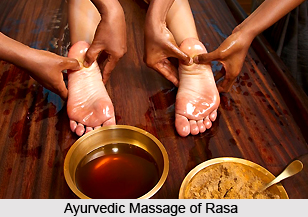
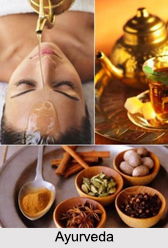
Massage stimulates the internal functions of the body and provides nourishment to various body tissues. It helps in cleansing the toxins from channels. Massaging with oil provides lubrication to various body mechanisms. It stimulates the different Agni (enzymes), increases assimilation of food and increases the vital body fluid called the Ojas. It works at both mental and physical levels of the body. It is beneficial in the case of insomnia, weakness of nerves, laziness, exhaustion, and general debility, dry and unhealthy skin.
The Ayurvedic full-body self-massage, called "abhyanga," is traditionally performed everyday for overall mind/body support. However, ayurvedic texts discuss other ways to use massage therapy in addition to the basic oil massage. Here are some of them:
1. The warm oil scalp massage
Massaging the scalp and hair is recommended to stimulate the scalp, nourish the hair roots and hair, relieve mental fatigue, and help increase mental clarity and focus, balance and nourish the emotions. Traditional oils for this purpose have beneficial herbal extracts combined with the base oil for added benefit. Some herbs are included for their beneficial impact on hair health and growth and some for their balancing effect on the mind and emotions or their stimulating effect on the mind and nervous system. Brahmi is famous in Ayurveda as a "Medhya" herb - it can help improve focus and calm the mind, promote a better quality of sleep, enhance memory, balance the emotions and help withstand the effects of day-to-day stress. Brahmi is extensively used both in supplements as well as in topical hair oils.
Other Ayurvedic herbs frequently found in herbal hair oils include Amla (Indian Gooseberry), Bhringaraj (Eclipta Alba) literally "King of Tresses," Tulasi (Holy Basil), Ashwagandha (Winter Cherry), Sandalwood and Hibiscus. The base oil is generally sesame, which is reported to have antioxidant properties, or coconut, which is reported to nourish hair color, thickness and growth.
How it`s done: Gently warm a couple of teaspoons of the oil. Persons with longer hair may need more, to cover all the hair as well as the scalp. The oil should be warm enough to be soothing, not uncomfortably hot. The oil should be Poured on one`s palm and apply it evenly all over the scalp and the back of the neck close to the hairline. Using the fingertips, gently massage the oil into the scalp, working the oil in for about 4-5 minutes. Ideally the oil should be left on overnight (use a shower cap to protect your bed-linens) and shampooed off the next morning. If leaving it on overnight is impractical for some people, it should be left on for 2-3 hours, then shampoo the hair well to rinse it off. Do the massage at least two or three times each week.
2. Massage to promote better sleep
Sleep imbalances, according to ayurveda; occur when one or more of the three ayurvedic principles of Vata, Pitta or Kapha is out of balance. Massage is one of the techniques recommended to restore balance and aid the process of getting an adequate amount of rejuvenating rest. This massage is performed on the peripheries to improve circulation and relax the mind and body. Massage oils for this purpose combine herbs and essential oils with a base oil. The Rejuvenation Massage Oil for Men or Women is ideal for this massage.
How it`s done
Apply the massage oil to the lower arms, hands, lower legs and feet a few minutes before bed and gently massage into the skin. Pay special attention to the soles of the feet and the nail beds of the hands and feet. Pat off any excess oil with a clean cloth. The Rejuvenation Massage Oil is easily absorbed, and non-staining, so it can be left on all night.
3. Dry Garshana Massage
The Garshana massage is done without oil. Performed regularly, it is reported to slowly help break down fat deposits by enhancing blood and lymphatic circulation. This massage helps clean and exfoliate the skin, making it more open to herbs and healing oils.
How it`s done
Wearing raw silk gloves available for the purpose, use light vigorous strokes to perform the Garshana massage. This massage can be done everyday.
4. Deha mardanam
Object is to tone the muscular tissue, to remove the fatigue and to give comfort. During massage the movements are done with considerable force and reinforced friction is resorted to. This is deep and active massage.
5. Samvahanam
Object here is to give comfort to patient, to improve circulation, to promote absorption of inflammatory swelling. This massage induces sleep, relieves pains and fatigue. It promotes development of muscle, blood and improves skin complexion. Here oil is applied very gently to the parts, the stroking and other operations are done in gentle manner. This is a passive massage where no resistance is offered.
6. Abhyangam
This is a hygienic massage and is intended to clean the skin and to tone up the nerves. The processes involved in this type of massage are - application of oil etc., Friction, unbreakable friction and rubbing. Massage with soft or rough powders and their pastes (Utane) are also included in this massage.
Benefits of Ayurvedic Massage
Massage stimulates the internal functions of the body and provide nourishment to various body tissues.