
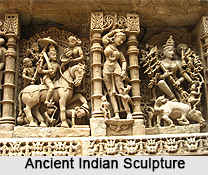
 Ancient Indian Sculpture is an integral part of Indian art and culture. Ancient Indian sculptures were relatively simple and date back to the days of the Indus Valley Civilization of the 2nd and 3rd millennium BC. The rich intricate sculptures of this civilization mainly emphasised on the works of stone, terra cotta and bronze. Starting from Indus Valley Civilization to the various rulers who ruled India, different sculptures portray different history of their own.
Ancient Indian Sculptures
Ancient Indian sculptures date back to the days of the Indus Valley Civilization. It was relatively simple.
Introduction
Ancient Indian Sculpture is an integral part of Indian art and culture. Ancient Indian sculptures were relatively simple and date back to the days of the Indus Valley Civilization of the 2nd and 3rd millennium BC. The rich intricate sculptures of this civilization mainly emphasised on the works of stone, terra cotta and bronze. Starting from Indus Valley Civilization to the various rulers who ruled India, different sculptures portray different history of their own.Design of Ancient Indian Sculpture
Ancient Indian sculpture features various elegant designs and themes taken from lifestyle. A characteristic of Indian sculpture is that it is primarily realistic in nature and the human forms appear in it more closely related with the surrounding. Flora and fauna have also found its presence in sculptures of India along with the innumerable respected deities.
Sculpture found in excavated cities consists of small pieces, terra-cotta objects, soapstone, or steatite, seals carved with animals, and a few statuettes of stone and bronze. The terracotta figurines are modelled and provided with elaborate jewellery. It was made separately and applied to the surface of the piece. The work is easy excepting for a small group of human heads with horns which have been made very skilfully. Animal figures are common like bulls. A unicorn is another animal, but it has been stylized frequently. Seals are carved with bisons, elephants, rhinoceroses and tigers. There are also images of religious significance.
The terra-cotta sculpture and the seals show two clear and distinct stylistic trends. The sculptures are sensuous and the seals are linear and abstract. Full and refined modelling is a fragmentary torso from Harappa. A jaunty bronze dancing girl with head tilted upward is also from Mohenjo-daro. There is also a headless figure of a male dancer from Harappa whose shoulders twisted in a circular movement. The bearded figure from Mohenjo-daro wearing a robe decorated with a pattern made of trefoil motifs is another well known sculpture.
These sculptures have tight, compressed body shape. The expansive modelling of the head reveals that the two aspects of form in Indus valley art interacted with each other. It is also indicated in the interplay of modelled form and textured surface.
Sculpture found in excavated cities consists of small pieces, terra-cotta objects, soapstone, or steatite, seals carved with animals, and a few statuettes of stone and bronze. The terracotta figurines are modelled and provided with elaborate jewellery. It was made separately and applied to the surface of the piece. The work is easy excepting for a small group of human heads with horns which have been made very skilfully. Animal figures are common like bulls. A unicorn is another animal, but it has been stylized frequently. Seals are carved with bisons, elephants, rhinoceroses and tigers. There are also images of religious significance.
The terra-cotta sculpture and the seals show two clear and distinct stylistic trends. The sculptures are sensuous and the seals are linear and abstract. Full and refined modelling is a fragmentary torso from Harappa. A jaunty bronze dancing girl with head tilted upward is also from Mohenjo-daro. There is also a headless figure of a male dancer from Harappa whose shoulders twisted in a circular movement. The bearded figure from Mohenjo-daro wearing a robe decorated with a pattern made of trefoil motifs is another well known sculpture.
These sculptures have tight, compressed body shape. The expansive modelling of the head reveals that the two aspects of form in Indus valley art interacted with each other. It is also indicated in the interplay of modelled form and textured surface.
Religious Iconography in Indian Sculpture
 Religious Iconography in Indian sculpture showcases the early era Hindu cult and religion, which makes itself the conventional tradition of India.
Hinduism has adopted several iconic symbols, forming part of Hindu iconography, that are imbued with spiritual meaning based on either the scriptures or cultural traditions.
Significance of Hindu Cult
The exact significance of Hindu cult accorded to any of the icons varies with region, period and denomination of the followers. Over time some of the symbols, for instance the Swastika has come to have wider association while others like Aum are recognized as unique representations of Hinduism. Other aspects of Hindu iconography are covered by the terms murti, for icons and mudra for gestures and positions of the hands and body.
Religious Iconography in Khajuraho Temple, Madhya Pradesh
The temples in Khajuraho share both design and layout from the Chandella times. They are built on a high plinth, with multiple ascending spires, which are believed to be inspired by the peaks of the Himalayas. The larger temples, like the Lakshmana, Vishvanatha and Kandariya Mahadeva, are accompanied by smaller temples; the not so large ones stand alone. Their interior and exterior and sometimes the platforms too are adorned with figures of gods, goddesses, nymphs, humans and animals. It is among these depictions of life that the famous or infamous erotic sculptures can also be spotted.
 Religious Iconography in Hampi, Bellary District, Karnataka
The temples and the archaeological ruins of Hampi are the examples of Vijaynagara Empire. The beauty of Hampi is filled with architectural beauty with Tungabhadra River on its side. Hampi Temples consist of a large number of palatial complex, stone images of Hindu mythical figures, terracotta designs, stucco figures, and the excavations of the figures of Vijaynagara kings.
Religious Iconography in Gupta Empire
The Gupta style of sculpture remained relatively uniform across the empire from its rise and decline. It incorporated the earlier figurative styles practiced in Gandhara School of Art & Sculpture and Mathura School of Arts, but introduced new and more sophisticated forms and motifs. It is marked in particular by sensuous modelling of bodies and faces, harmonious proportions and more subtle expressions. The most innovative and influential artistic centers includes Sarnath, Varanasi, Kedernath, Badrinath, Jammu and Kashmir and Mathura. The Gupta cult of Hindu iconography was spread across much of India, influencing artists for centuries afterward. It also spread via the trade routes to Thailand and Java, as well as other countries in South and Southeast Asia.
Religious Iconography in Sri Ranganathaswamy Temple, Tamil Nadu
Sri Ranganatha Svami Temple, located in Thiruchillapalli was constructed in the Tamil style of architecture. This temple is glorified in the Thiviya Pirabandham, the early medieval Tamil literature canon of the Alvar saints from the 6th to 9th centuries AD. The architecture is counted among the 108 Divya Desams dedicated to Lord Vishnu. The temple follows Thenkalai tradition of worship. Sri Ranganathaswamy Temple is enclosed by 7 concentric walls with a total length of 32,592 feet or over six miles. This temple has 21 gopurams (towers), 39 pavilions, fifty shrines, Ayiram kaal mandapam (a hall of 1000 pillars) and several small water bodies inside.
Medieval Indian Sculpture
Indian sculpture from the 7th century onwards developed two styles: sculpture that flourished in northern and southern India. The local schools of Maharashtra and Karnataka also possess considerable individuality and often show both northern and southern features. Sculpture in bronze was also produced in this period.
Buddhist sculpture in the medieval period flourished under the patronage of the Pala and the Sena empires in the regions of Bengal and Bihar. The University of Nalanda is surrounded by a brick wall, which encloses the entire convent from without. The towers are richly decorated and the stages have dragon-projections and coloured eaves. The roofs covered with tiles that reflect the light in a thousand shades. The style of the figure sculpture in stucco at Nalanda is a dry repetition of the Gupta statuary of Sarnath, as may be seen by comparing the statue in the topmost niche with the famous preaching Lord Buddha. The ruins at Paharpur in Bengal also exhibit Buddhist sculpture of the medieval period. The decoration of the shrine consists of multiple terra-cotta relief plaques attached to the brick facades. Characteristic of the sculpture of the Pala and Sena Periods are the numerous examples of images carved in hard, black stone found at Nalanda and many other sites in Bengal. All of them are characterised by a great finesse and precision of execution. Many of these icons give the impression of being stone imitations of metal-work, and in almost every case the sense of plastic conception is lost under the intricacy of surface detail.
Medieval Indian sculpture of North India
 The history of North Indian sculpture from the 7th to the 9th centuries is obscure. There are two trends: one shows the decline and collapse of classical forms and the other depicts the evolution of new styles.
A breakdown of the Gupta type of sculpture is indicated from at the 7th century onwards. It changed from harmonious proportion, graceful movement and supple modelling to squat proportions, a halting movement and a hard form. Toward the 8th century a new movement was evident in a group of sculptures. It emphasizes breadth but with a feeling for rhythm and the delineation of decorative detail is restricted. In the 9th century, there was a distinct change that came over the styles of all of northern India. A novel elegance, richer decorativeness and a disconnected rhythm characterised the medieval styles of the 10th and 11th centuries.
Sculpture reaches a standard of elegance that never surpassed in the medieval period. The grace of earlier work was modified but not lost. The sculptures at Abaneri, the Shiva temple at Indore, and the Teli-ka-Mandir temple at Gwalior are good instances. In the 10th century, the conventions of North Indian sculpture were established. The Laksmana temples at Khajuraho, the Parasnath temple in Rajasthan are examples. The style has become harder and angular; the figures decorated with lot of jewellery. These are accentuated in the 11th century when many huge temples that were adorned with exceptional sculpture, were erected all over north India. However there is a decline in workmanship. The carving is conventional and lifeless, the features are rigid and and the contours are stiff. The ornamentation is dull, repetitive, and lifeless. This phase is represented at centres from Gujarat. Nevertheless not all sculptures are of inferior quality.
The 12th century ends traditional sculpture all over northern India, except for a few places. Kashmir sculpture was weightier and more massive than works in other parts of India. It had some Gandhara influence as far as rendering of the body and the drapery are concerned. This type can be seen in sculptures from Avantipura
Medieval Indian sculpture of East India
 Sculpture in eastern India represents a distinct idiom. The flatness of planes and angularity of contours are less prominent, the figures have a sense of mass and weight. This is clearly seen in sculpture from Konark in Orissa. Ninth century was the most flourishing period when a series of images representing the gods and goddesses of the Buddhist pantheon were made at Kurkihar and Nalanda. Tenth and eleventh centuries were more decorative. In the 13th century, the style becomes more graceful at a time when sculpture in northern India had assumed a wooden appearance. In Bihar and Bengal bronze sculpture developed which are evident in sculptures discovered from the sites of Nalanda and Kurkihar.
Medieval Indian sculpture of South India
The 7th-century sculptures at Mahabalipuram are a great example of medieval sculpture. It is a large relief depicting the penance of Arjuna. The tall, slender figures, with supple tubular limbs recall the proportions of Amaravati. The light, aerial forms gained stability. The temples at Tiruvalishvaram, Kodumbalur, Kilaiyur, Shrinivasanalur, Kumbakonam, are examples of this types of sculpture. In the 10th and 11th centuries was carved in flatter planes and more angular forms. This can be seen in the numerous temples of Thanjavur and Gangaikondacholapuram. 13th century sculpture is represented by work at Darasuram and Tribhuvanam. The elaborately sculptured halls at Madura and the gopuras indicated seventeenth century sculpture.
South Indian bronze sculpture occupied a special place has a special place in the history of Indian art. Ninth and tenth centuries witnessed lot of bronze sculptures. Most South Indian bronze images represent Hindu Gods. The great image still worshipped in the Brihadishvara temple at Thanjavur is a good example.
Karnataka possessed a flourishing school of sculpture in the 7th and 8th centuries which can be seen in Aihole, Pattadakal, and Alampur. In Maharashtra, cave temples at Ellora are examples of this phase of sculpture. A series of panels depicting incidents from Hindu mythology in high relief are found in the Rameshvara cave. The Kailasa temple also has a remarkable group of elephants struggling with lions all around the plinth. Toward the 13th and 14th centuries, a very distinctive style was developed by the Hoysala dynasty.
Buddhist sculpture in the medieval period flourished under the patronage of the Pala and the Sena empires in the regions of Bengal and Bihar. The University of Nalanda is surrounded by a brick wall, which encloses the entire convent from without. The towers are richly decorated and the stages have dragon-projections and coloured eaves. The roofs covered with tiles that reflect the light in a thousand shades. The style of the figure sculpture in stucco at Nalanda is a dry repetition of the Gupta statuary of Sarnath, as may be seen by comparing the statue in the topmost niche with the famous preaching Lord Buddha. The ruins at Paharpur in Bengal also exhibit Buddhist sculpture of the medieval period. The decoration of the shrine consists of multiple terra-cotta relief plaques attached to the brick facades. Characteristic of the sculpture of the Pala and Sena Periods are the numerous examples of images carved in hard, black stone found at Nalanda and many other sites in Bengal. All of them are characterised by a great finesse and precision of execution. Many of these icons give the impression of being stone imitations of metal-work, and in almost every case the sense of plastic conception is lost under the intricacy of surface detail.
Medieval Indian sculpture of North India
The history of North Indian sculpture from the 7th to the 9th centuries is obscure. There are two trends: one shows the decline and collapse of classical forms and the other depicts the evolution of new styles.
A breakdown of the Gupta type of sculpture is indicated from at the 7th century onwards. It changed from harmonious proportion, graceful movement and supple modelling to squat proportions, a halting movement and a hard form. Toward the 8th century a new movement was evident in a group of sculptures. It emphasizes breadth but with a feeling for rhythm and the delineation of decorative detail is restricted. In the 9th century, there was a distinct change that came over the styles of all of northern India. A novel elegance, richer decorativeness and a disconnected rhythm characterised the medieval styles of the 10th and 11th centuries.
Sculpture reaches a standard of elegance that never surpassed in the medieval period. The grace of earlier work was modified but not lost. The sculptures at Abaneri, the Shiva temple at Indore, and the Teli-ka-Mandir temple at Gwalior are good instances. In the 10th century, the conventions of North Indian sculpture were established. The Laksmana temples at Khajuraho, the Parasnath temple in Rajasthan are examples. The style has become harder and angular; the figures decorated with lot of jewellery. These are accentuated in the 11th century when many huge temples that were adorned with exceptional sculpture, were erected all over north India. However there is a decline in workmanship. The carving is conventional and lifeless, the features are rigid and and the contours are stiff. The ornamentation is dull, repetitive, and lifeless. This phase is represented at centres from Gujarat. Nevertheless not all sculptures are of inferior quality.
The 12th century ends traditional sculpture all over northern India, except for a few places. Kashmir sculpture was weightier and more massive than works in other parts of India. It had some Gandhara influence as far as rendering of the body and the drapery are concerned. This type can be seen in sculptures from Avantipura
Medieval Indian sculpture of East India
Sculpture in eastern India represents a distinct idiom. The flatness of planes and angularity of contours are less prominent, the figures have a sense of mass and weight. This is clearly seen in sculpture from Konark in Orissa. Ninth century was the most flourishing period when a series of images representing the gods and goddesses of the Buddhist pantheon were made at Kurkihar and Nalanda. Tenth and eleventh centuries were more decorative. In the 13th century, the style becomes more graceful at a time when sculpture in northern India had assumed a wooden appearance. In Bihar and Bengal bronze sculpture developed which are evident in sculptures discovered from the sites of Nalanda and Kurkihar.
Medieval Indian sculpture of South India
The 7th-century sculptures at Mahabalipuram are a great example of medieval sculpture. It is a large relief depicting the penance of Arjuna. The tall, slender figures, with supple tubular limbs recall the proportions of Amaravati. The light, aerial forms gained stability. The temples at Tiruvalishvaram, Kodumbalur, Kilaiyur, Shrinivasanalur, Kumbakonam, are examples of this types of sculpture. In the 10th and 11th centuries was carved in flatter planes and more angular forms. This can be seen in the numerous temples of Thanjavur and Gangaikondacholapuram. 13th century sculpture is represented by work at Darasuram and Tribhuvanam. The elaborately sculptured halls at Madura and the gopuras indicated seventeenth century sculpture.
South Indian bronze sculpture occupied a special place has a special place in the history of Indian art. Ninth and tenth centuries witnessed lot of bronze sculptures. Most South Indian bronze images represent Hindu Gods. The great image still worshipped in the Brihadishvara temple at Thanjavur is a good example.
Karnataka possessed a flourishing school of sculpture in the 7th and 8th centuries which can be seen in Aihole, Pattadakal, and Alampur. In Maharashtra, cave temples at Ellora are examples of this phase of sculpture. A series of panels depicting incidents from Hindu mythology in high relief are found in the Rameshvara cave. The Kailasa temple also has a remarkable group of elephants struggling with lions all around the plinth. Toward the 13th and 14th centuries, a very distinctive style was developed by the Hoysala dynasty.
Vedic Indian Sculpture
 The weakening of the Indus Valley Civilization led way to the Vedic India. The magnificent cities were emptied by the natives due to several reasons, one of them being the invasion of the Aryans. This new race brought in a new style of sculpture that was later to be known as the Vedic Indian sculpture. Strangely enough the Aryans did not settle into the well planned cities of Indus valley.
It must be mentioned here that there are no surviving specimen from the Vedic Indian sculptures. This is due to the fact that the Aryans did not built any monuments. However it was the Aryan architectural forms that were followed in India for ages to come. Whether it is the Buddhist caves or temples, the sculpture of these units were directly influenced by the structure of the simple villages that the Aryan built for themselves.
Although there are no surviving specimen from the Indian Vedic sculpture but ample examples are to be found in the Vedas. The ways in which the city and towns of the Aryans are described in the Indian epics, Ramayana and Mahabharata, are similar to the Buddhist sculptures. So it would not be completely wrong to say that the Buddhist sculptures were inspired by Vedic India. Moreover the Barhut and Sanchi stupas also represent the Aryan villages extensively.
The Vedic Indian sculpture comprises circular and rectangular shapes, thatched roofs, bamboo works and the use of wood.
Recently updated articles in Indian Sculpture
Ancient Indian Sculptures
Ancient Indian sculptures date back to the days of the Indus Valley Civilization. It was relatively simple.
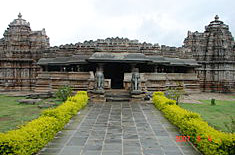
Hoysala Temple Art and Architecture
The Hoysala architecture and sculpture is a typical example of South Indian Dravidian art style.
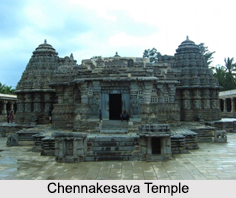
Chennakesava Temple in Somanathapura
Chennakesava Temple is a Hoysala temple sculptural example of Hoyasala art and sculpture.
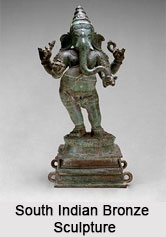
South Indian Sculptures
Types of South Indian Sculptures are categorized with the social and religious life of Hindus during the rule of Pallavas, Cholas and Rashtrakutas.
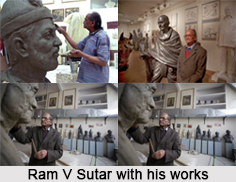
Ram V Sutar
Ram Vanji Sutar is an Indian sculptor and he is the recipient of Padma Bhusan in the year 2016.
Related articles in Indian Sculpture
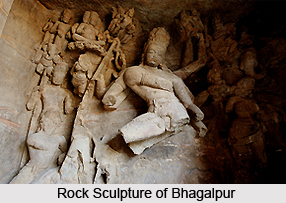
Rock sculptures
Champa, an important city during 6th century BC, was the ancient name of Bhagalpur. A number of Rock sculptures have been found here in the course of...
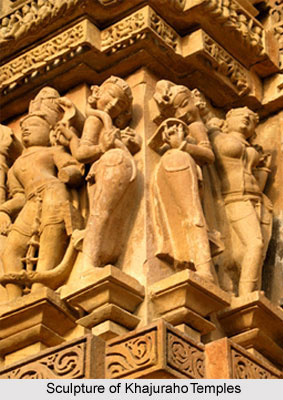
Indian Temple Sculptures
Indian Temple sculptures exhibits to the world the astonishing pieces of art. The religious places were the seats of learning and developing art in th...
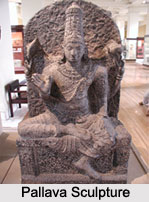
Pallava Sculptures
Pallava Sculptures for the first time introduced the use of rock in Indian architecture.
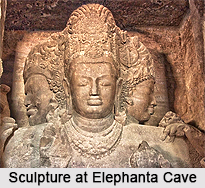
Gupta Sculptures in India
Gupta sculptures exhibit the art works which was prevalent during the Gupta rule. The sculptures of the Gupta period remained as the ideals of art for...
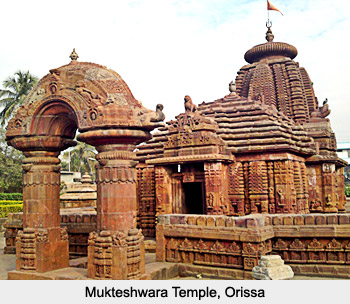
Nagara Style of Architecture
Nagara style of Architecture, developed during the 5th century, is an emblem of architectural wonder and is scattered through out various regions of t...