Introduction
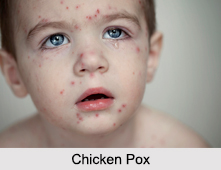 Chicken Pox is a highly contagious and common viral infectious disease that causes a rash. It is one of the most widespread viral diseases in India. It is mainly caused due to the Varicella Zoster Virus (VZV), and the disease is also known as "Laghu Masurika". It is most common among children, especially among those aged between 1-10 years. It was once considered as the deadliest disease in India, as it use to cause numerous deaths. However, the disease is quite under control now-a-days, as vaccine has been invented and is being given to the children to prevent chicken pox.
History of Chicken Pox
 Chicken pox is a viral disease, which has been affecting people and causing numerous deaths for the last several centuries. It is also known as Laghu Masurika in India. The history of chicken pox in India dates back to the ancient times, as its first reference was found in the Caraka Samhita Sutra. The Caraka Samhita had mentioned about both chicken pox and small pox.
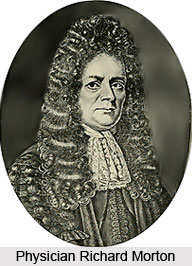
In the 16th century, Giovanni Filippo of Italy identified the disease, between the years of 1510 and 1580. In the 17th century, the disease got its name from an English physician named Richard Morton. He gave the name of chicken pox to the disease, as he thought that it was a milder form of small pox. However, some people also believe that another English physician named William Heberden was the first person to discover the disease, in 1767. He also proved chicken pox to be different from small pox.
The origin of the word "chicken pox" is quite interesting. The word is related to the corrupted Old English word, "giccin" that meant, "itching". The disease was described as "no very great danger" and hence, as a "chicken" version of the pox. Some also believe that the doctors identifying this disease commonly used the word "chicken pox" in earlier centuries. The word `pox` meant curse, in the medieval period. For this reason, the people of that period used to think the disease as a plague brought upon the cursed children by using black magic.
 In India, superstitions and blind beliefs have been an integral part of the history of chicken pox. The people in India have a lot of misbelieves about the disease since its discovery in the country. They used to mix chicken pox with the deadly small pox, mainly due to their ignorance about the disease. Though, small pox has now been eradicated entirely from India and the world, it used to cause numerous deaths in Kerala during the 1950s and 1960s. The Keralites call both the diseases of chicken pox and small pox, by the same name of "Vasoori" in Malayalam.
Many Indians especially in the rural areas, believe that chicken pox is mainly caused by the wrath of the local god or goddess. They isolate the affected person from the society. The relatives of the patient move out leaving the patient alone in a house (a leftover custom from the deadly Small Pox). The patient is also put under the care of special people, who are called as "Vasoori Caretakers" in Malayalam. These caretakers are supposed to be brave and able to withstand all the wrath of the angry gods.
However, a lot of actions are being taken for eradicating the superstitions and blind beliefs about chicken pox, from the minds of Indian people. The prevention of chicken pox by about 95% through vaccination is considered as a great achievement in the history of chicken pox.
Symptoms of Chicken Pox
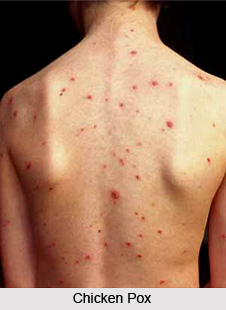 Many symptoms have been identified for an early detection of chicken pox. The common viral disease chicken pox is also known as Laghu Masurika in India and its symptoms have similarity with that of common cold and flu. The symptoms can be divided into a few sequences, according to their timings of appearance. Usually the symptoms of chicken pox or Laghu Masurika start to appear one or two days after the varicella zoster virus (VZV) enters the body.
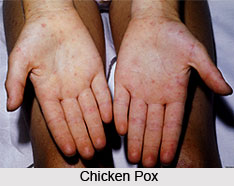
The very first symptom of chicken pox is that of a common cold. The affected person usually has a runny or stuffy nose and may have a burning sensation in the eyes. The eyes of the person may also water and become red, gradually. The second symptom is appearance of rash on the skin. The rash usually appear on the abdomen or back or face and then spread to almost everywhere on the body. The rash can be found on the organs like chest, arms, legs, scalp, mouth, nose, ears, genitals, etc. The rash appears as multiple small, red bumps that look like pimples or insect bites.
In the initial period, the rash is pinkish in colour; however, its colour deepens with time and eventually become red. Though, the rash is small in size initially, it becomes larger with time and they develop into thin-walled blisters filled with clear fluid, which becomes cloudy. The blisters usually have a width of less than a quarter of an inch. After a day or two, the blister wall of the rash breaks and leaves open sores that finally crust over to become dry, brown scabs. The blisters are reddish at base and generally appear in bouts over 2 to 4 days. The initial blisters usually disappear in a couple of days, but new spots appear. Hence, the blisters appear in cycles. Though, this cyclic formation of blisters may continue for up to two weeks, it may stop on the third day itself, in some cases.
 The extent of the rash that appears during chicken pox usually varies from person to person. Some patients have only a few spots; while others can have innumerous spots. The rash can become more extensive or severe among the kids suffering from skin disorders like eczema. Generally, the symptoms of chicken pox are found for a period of 10-21 days. Once, the rashes disappear, it takes another few days to clear the skin. However, one attack of the disease usually confers life-long immunity.
There are a few other symptoms of chicken pox, which can help in detecting the disease. These symptoms include fever, mild headache, abdominal pain, sore throat, or a vague sick feeling. These symptoms can be seen in some kids, generally a day or 2 before the rash appears. The fever usually remains low and all these symptoms may last for a few days. Another symptom of chicken pox is loss of appetite. In this case, the VZV affected person may feel less hunger than normal times. The VZV affected person may also develop serious bacterial infections involving the skin, lungs, bones, joints, and the brain (encephalitis). The VZV may remain inactively in nerve cells near the spinal cord of a person, after an infection, and may even reactivate later as shingles. Shingles is a disease similar to chicken pox and it can cause tingling, itching, or pain followed by a rash with red bumps and blisters. It is usually found in adults.
The symptoms of chicken pox are usually milder and the blisters are fewer among the younger kids, compared to the older children or adults. Though, it is a mild illness, chicken pox can affect infants, teens, adults, and people with weak immune systems more severely. The kids having normal immune systems can also occasionally develop complications, most commonly a skin infection near the blisters. The symptoms of chicken pox usually disappear without any treatment. Generally an infected child is advised to stay home and rest until the symptoms withdraws.
Causes of Chicken Pox
Apart from the main reason VZV, there are also many other causes behind the development of chicken pox. Age is a major factor and considered as a potential cause of chicken pox. Usually, children aged less than 10 years are more vulnerable to developing chicken pox. The adults, who have a sensitive skin that rash easily, are also likely to get chicken pox. Bubble baths with strong soaps can be another cause behind the development of chicken pox. Weather changes like late winter or early spring is the most common time when the VZV is spread.
Treatment of Chicken Pox
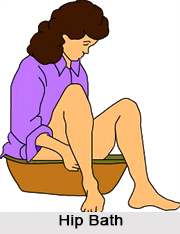
Many treatment methods are followed for treating chicken pox. The alternative medications used in treatment of chicken pox include Ayurveda, Mind/Body Medicine, Homeopathy, Acupuncture, Herbs, water treatments, home remedies, aromatherapy, magnetic therapy, etc. The main objective of alternative medications in chicken pox is to lessen the discomfort and fever caused by the disease. Different treatment methods use different kinds of natural resources for treating chicken pox.
Various types of home remedies are probably the most common ways of treating chicken pox. The home remedies help in both treating the disease and in restoring the strength of immune system. Baking soda and water are used in home remedies. First, baking soda is mixed with water and then it is sponged on the infected person. It can decrease the itching and irritation, when it dries. Honey is another ingredient in home remedies for chicken pox, as pure honey helps healing the scars within a short period of only 3 days. Applying vitamin E oil can help a lot, as it clears the scars quickly. Brown vinegar is also used in home remedies for chicken pox. Brown vinegar can sooth the itch and comfort the skin, if applied along with water.
Oatmeal bath is also sometimes prescribed in the treatment of chicken pox. Taking oatmeal bath helps in soothing the skin and healing the scars. Green Pea water is another ingredient that helps in clearing the scars. The other ingredients used in home remedies for treatment of chicken pox include carrot and coriander; herbal tea; juice diet, etc. Herbal tea can be prepared by using any of the herbs like chamomile (babunah), basil (tulsi), marigold (zergul) and lemon balm (billilotan). A little cinnamon (dalchini), honey, and lemon can also be added to this tea.
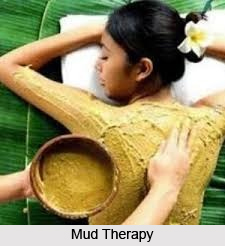
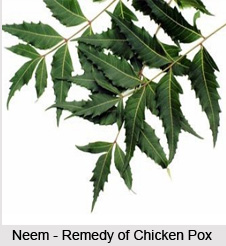 Treatment of chicken pox can be done according to Ayurveda, as well. In Ayurvedic medicine, giving a warm water enema is considered helpful in cleaning out the bowels, quickly. The Ayurvedic medicine suggests that the VZV affected person is usually affected by light and hence, should be kept in dim light. Another remedy of chicken pox in Ayurveda is applying mud pack. If mud pack is applied twice a day alternating on the chest and the abdomen, it can help in quickening the process of curing. Lukewarm bath water with neem is also prescribed in Ayurveda for treatment of chicken pox. It can relieve itching.
Various herbs are used quite effectively in the treatment of chicken pox. The use of herbs is a time-honored approach to strengthen the body and treat disease. Some of the herbal remedies used in treating chicken pox include Cayenne (Capsicum frutescens/Capsicum spp.), German Chamomile (Matricaria recutita), Peppermint Oil (Mentha x piperita), Aloe (Aloe vera/Aloe barbadensis/Aloe ferox), Burdock root (Arctium lappa), Lemon balm (Melissa officinalis), Licorice root (Glycyrrhiza glabra), Madonna lily (Lilium candidum), etc.
Homoeopathy is also used in the treatment of chicken pox. Different remedies are prescribed for treating chicken pox in Homoeopathy. The medicines like Antimonium tartaricum, Antimonium crudum, Apis mellifica, Belladonna, Bryonia, Mercurius solubilis, Pulsatilla, Rhus toxicodendron, Sulphur, Urtica urens, etc. are used most commonly for treatment of chicken pox. These medicines are applied on a case by case basis. 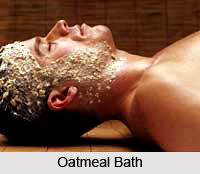 Acupuncture is another effective way of treating chicken pox. Acupuncture may help in relieving the nerve pain of chicken pox-affected people. Aromatherapy is also followed for treatment of chicken pox. Essential oils help tremendously by reducing the itchiness and stopping infection of the pox themselves. Oils extracted from Tea-tree, Eucalyptus, Bergamot and Lavender, have soothing, antiseptic, healing properties. Chamomile is considered as soothing anti-itch oil.
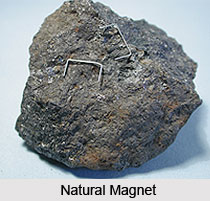
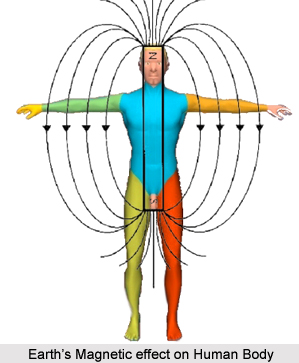
Magnetic therapy is an effective method for the treatment of chicken pox. Taking mixed magnetized water thrice daily, on a regular basis can help in quick curing. It is also advised to take North Pole magnetized water four times daily, after the eruptions appear. North-pole oil is given on the eruptions, in case of intense itching. The magnets are also advised to be applied on the palm of hands for 15 minutes once daily, as a preventive measure. Another treatment method for chicken pox is Mind/Body Medicine. The relaxation techniques like meditation, breathing exercises, progressive muscle relaxation, biofeedback, etc. are commonly used for reducing pain and stress associated with chicken pox. Cognitive behavioral therapy is also used, sometimes.
Prevention from Chicken Pox
There are many preventive actions that can be taken to ward off the chance of getting chicken pox. The chicken pox vaccine is given to the children when they are 12 to 15 months old and they are also given a booster shot when they are 4 to 6 years old. The vaccine is available since 1995 and has yielded impressive results in treatment of chicken pox. However, in spite of the vaccine"s incredible success rate, some immunised kids still get chickenpox. However, generally a chicken pox-affected person is advised to stay at home and rest until the symptoms are gone.