Fambong Lho Wildlife Sanctuary

Fambong Lho Wildlife Sanctuary located in Sikkim covers an area of around 51.76sq.Kms. The sanctuary houses a wide variety of Flora and fauna.

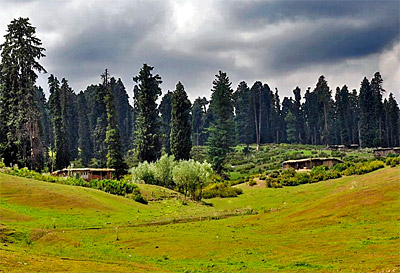
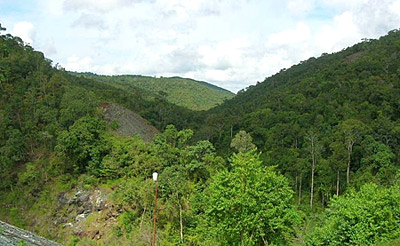
Fambong Lho wildlife sanctuary is located at a distance of about 25kms from Gangtok, the capital of Sikkim. The sanctuary covers an area of around 51.76sq.Kms and lies near the well known Rumtek Monastery, which is located on the southeastern side of the sanctuary. From Golitar one can have a clear view of the Kanchenjunga ranges that lies on the northwestern side of the sanctuary. The wildlife sanctuary is located above the road between Singtam and Dikchu with the highest point at a place called Tinjure at 7,000 ft. where a wooden observation tower of the Forest Department exists. The place here is quite hilly, where the elevation starts from 1524metre and varies from place to place. The highest peak in the sanctuary is that of Tinjurey i.e. 2749 metre. There are various watchtowers at Alubari, Tinijurey and Sang tsokha. The sanctuary provides real adventures for trekkers as they can follow different routes according to their choice.

Flora and Fauna in Fambong Lho Wildlife Sanctuary
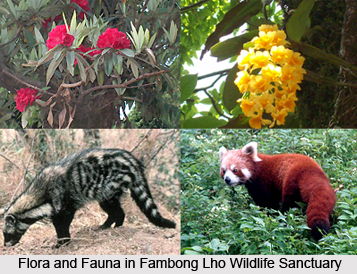
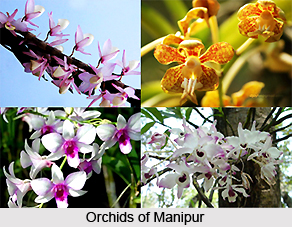
Fambong Lho Wildlife Sanctuary, SikkimThe Fambong Lho Wildlife Sanctuary houses a variety of flora and fauna. The sanctuary is very rich in natural vegetation and comprises of various dense forests of katus, oak, champ, kimbu, ferns and bamboo. One can also find here various numbers of rhododendrons, mosses, orchids and lycopodium. The sanctuary provides shelter to various species of animals like Himalayan Black Bear, Civet cat, Red Panda, Binturong or Bear-Cat etc.

Due to the difference in altitudes, various types of birds are found here. Some of the common birds seen here include Satyr Tragopan, Hill Partridges, Kalij Pheasant, Collared Scops Owl, Collared Broadbill, Black Eagle, Maroon Oriole, Bulbus, Titmice, Green Pigeon, Brown Wood Owl, Nepal Tree Creeper, Orangebellied Chloropsis, Yellow billed Blue Magpie and many more. The best time to visit the sanctuary is from April to July, when the rhododendrons are in full bloom and the sanctuary turns into a riot of colours.

This article is a stub. You can enrich by adding more information to it. Send your Write Up to content@indianetzone.com
Recently updated articles in Flora & Fauna

Shilli Wildlife Sanctuary
Shilli Wildlife Sanctuary Thumbnail

Shilli Wildlife Sanctuary

Shilli Wildlife Sanctuary in Himachal Pradesh was established in 1963 in order to preserve the Himalayan Black Bear which is an endangered creature. D...

Flora and fauna of Karnataka
Flora and fauna of Karnataka Thumbnail

Flora and fauna of Karnataka

Karnataka boasts a remarkable diversity of flora and fauna, nurtured by its varied landscapes ranging from the Western Ghats to dry plains. The state’...

Vedanthangal Bird Sanctuary
Vedanthangal Bird Sanctuary Thumbnail

Vedanthangal Bird Sanctuary

Known to be the oldest water bird sanctuary in the country, Vedanthangal Bird Sanctuary is home to myriad types of migratory birds including 26 rare s...

Sabu, Indian Medicinal Plant
Sabu, Indian Medicinal Plant Thumbnail

Sabu, Indian Medicinal Plant

Sabu is an Indian medicinal plant used for treating oedema, dropsy, ascites, liver, asthma and other problems.

Patala, Medicinal Plant
Patala, Medicinal Plant Thumbnail

Patala, Medicinal Plant

Patala is most common Rajasthan, Bihar and Madhya Pradesh, and contain several medicinal properties.