 The world`s most sought after and expensive spice, saffron, has numerous uses. This small perennial bulbous plant is primarily used for serving culinary, medicinal and cosmetic purposes all over the world. Different parts of the plant like the stigma of the flower, the root, bark, the leaves, etc. are used for different purposes. Saffron has occupied a special place in the culture and tradition of India for its various uses.
Principally saffron is used as a spice. The spice derives from the stigma of saffron flower and is frequently used for culinary purposes. It has been an integral part of the Indian cuisine since the ancient period and is used quite extensively in Mughal dishes. Saffron is characterised by a bitter taste and an iodoform or hay-like fragrance. These qualities of saffron can make any food item a special one. The aroma of the spice is described as resembling that of honey and it has grassy and metallic flavours. Saffron is also used for preparing both sweets and curries.
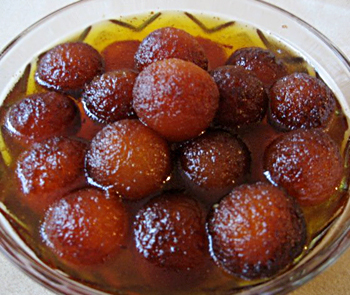
Saffron can add a luminous yellow-orange colouring to the items it is soaked with. People make good use of saffron for colouring and flavouring confectionaries, curries, liquors, meat dishes, pudding, etc. Saffron is used in many countries as a condiment for rice as well. In Indian cuisine, saffron is mostly used in preparation of biryanis. The popular food items in India in which saffron is used include the Pakki variety of Hyderabadi biryani and the milk-based sweets like gulab jamun, kulfi, double ka meetha, etc. There is a spicy Jodhpuri yogurt-based drink, named "saffron lassi", after this delicious spice, saffron.
 Besides culinary uses, there are numerous medicinal uses of saffron. Saffron is credited with various medicinal properties and is an important ingredient of the Ayurvedic and Unani systems of medicine in India. In Ayurveda, saffron is used as herb for healing a variety of diseases that range from arthritis to impotence and infertility. Ayurvedic medicine also uses saffron for treating health disorders like asthma, common colds, alcoholism, acne, skin disease, flatulent colic, etc. A paste of the spice is applied as a dressing for bruises and superficial sores as well. In Unani medicine, saffron is used for reducing inflammation, treating enlarged liver and infection of urinary bladder and kidneys, etc. Saffron also counteracts spasmodic disorders and sustains involuntary muscle contraction. It acts as a diuretic if soaked overnight in water and administered with honey.
In Indian traditional medicine, saffron is popularly known as stimulant and it is warm and dry in action. It helps in treating urinary, digestive and uterine troubles and is sometimes mixed with other drugs to help in normal menstruation. Saffron is beneficial in the treatment of ailments concerning women like leucorrhoea and hysteria and pessaries of saffron are used in painful conditions of the uterus. Saffron oil is often applied externally in uterine sores. It is found that a mixture of saffron and ghee can be very effective for treating diabetes and it can give strength to the heart and brain as well. Saffron is also applied for curing fevers, melancholia and enlargement of liver and spleen. For having stimulant and stomachic properties, saffron is considered to be a remedy for catarrhal diseases of children. It is an antioxidant and can neutralise free radicals. It has aphrodisiac properties as well. However, overdoses of saffron stigmas can act as narcotics. The other diseases for which saffron is used frequently include blood disorders, insomnia, paralysis, heart diseases, stomach upsets, gout, dysmenorrhea, amenorrhea, baby colic, etc.
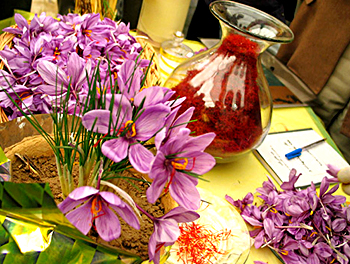
Apart from the culinary and medicinal uses, saffron has various cosmetic and commercial uses as well. Saffron is believed to enhance fairness of the complexion and hence, is widely used in cosmetics. It is mostly used in making fairness creams. There is an age-old belief that if the pregnant women consume saffron, they will give birth to `fair` babies. Saffron has several valuable commercial uses also. The commercial saffron mainly comes from the bright red stigmas of the Crocus Sativus. These stigmas are the female part of the flower and each flower contains three stigmas. The stigmas become commercial saffrons, only when dried (cured) properly. The golden-yellow solution that yields after saffron is soaked in water is considered high quality fabric dye. Kashmir in India is world famous for saffron cultivation. It is valued all over the world for its fine quality and a large part of the saffron produced in Kashmir is exported. As saffron is quite expensive all over the world, it brings a huge amount of foreign currency to India. Saffron is used as a fabric dye as well.