
In 1804, Swami Vamanashram had been ordained as the Shishya to Swami Keshavashram. He was from the Shukla Bhat family from Mangalore. With certain Brahmin teachers He began His training at Mangalore. However, he focused his time and energy in the southern region of the Kanara district, once he succeeded Keshavashram Swami in 1823. He gained great knowledge on the Sanskrit scriptures of India during His tutelage under the Swami Keshavashram for 19 years.
After Swami Keshavashram attained Maha-samadhi(passed away) on the 9th day of Margha month in 1823, Swamiji was officially enthroned as the Guru of the community. Swami Vamanashram was deeply involved in spiritual pursuits and was very reluctant to concentrate on the administration affairs of the matha and affairs of the community in general. He gave total responsibility of the administration to the Shukla Bhat managers in order to reduce the burden, so that He could give His full to pursue his spiritual conquests.
His Holiness Swami Vamanashram thus became the sixth guru of the Chitrapur Saraswat Brahmin community and He held the post for 16 years from 1823 to 1839. He was also regarded as a Braha-Jnani. The administration of the matha and its treasury, according to Him was the materialistic pleasures, which Swamiji gave away. To his shishya and the Shukla Bhats, He abandoned the responsibilities over. He was a personification of compassion, mercifulness and self-discipline.
Eventually Swamiji consented in accepting a shishya(disciple), upon the advocacy of his devotees to accept a disciple to help him discharge the affairs of the community. When Swamiji had come to visit Vitthal in Karnataka, the successor was found in the hamlet of Vitthal. His name was Parameshwar Nagar. This young boy was beamed with energy and potentiality. The priest of the Shri Vishweshwar Vitthal temple had told swamiji about this boy. In 1836, in the month of Jyeshta, Swamiji officially ordained his shishya as Krishnashram. On that day, thus another link was added to the Guru Parampara. Swamiji continued his never-ending quest after spiritual knowledge and handed over the responsibilities of administration to Krishnashram.
In 1839, Swamiji went to visit His devotees in Mangalore. During this visit, He became seriously ill and His health was rapidly degenerating towards worse. Swami Vamanashram attained Maha-samadhi(passed away) on the 9th day of the month of Kartik in 1839. The devotees of Swamiji, constructed his samadhi(shrine) and poured tender coconut water as Abhisheka. A math centering on His samadhi was built up at Mangalore. As Shiyala Abhisheka devotees offer seva(service). Tender coconut("Shiyala" in konkani) water is poured on the shrine as abhisheka.
Swami Vamanashram
Swami Vamanashram`s deep involvement in spiritual pursuits made him unwillingness for responsibilities in Chitrapur Math
Recently updated articles in Religion in India
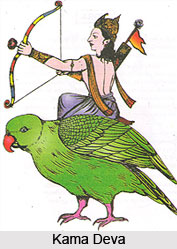
Kusumayudha
Kusumayudha is a name of Kamadeva, the Hindu God of Love. Depicted with a sugarcane bow and flower-tipped arrows, he represents attraction and longing...
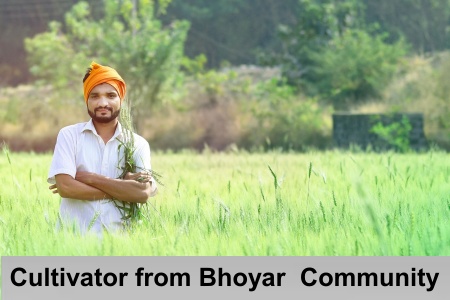
Bhoyar Caste
Bhoyar Caste is largely found in the Central Provinces of the country. Traditional occupation of Bhoyars is agriculture. They are good cultivators and...
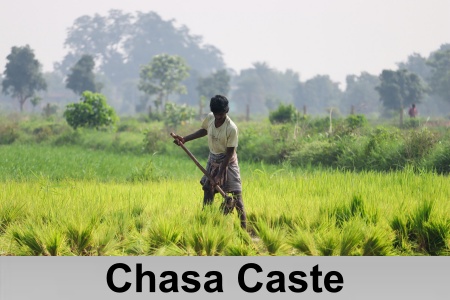
Chasa Caste
Chasa caste is a prominent agrarian community native to Odisha. Traditionally associated with cultivation and farming, Chasas have historically played...
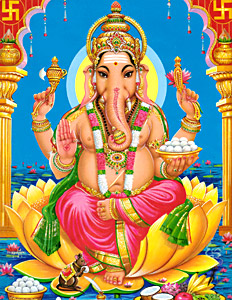
Vigneswara, A Form of Lord Ganesha
Lord Vigneswara is another form of Lord Ganesha or Vinayaka, prominently worshipped as the God of intelligence and good luck in the Indian subcontinen...
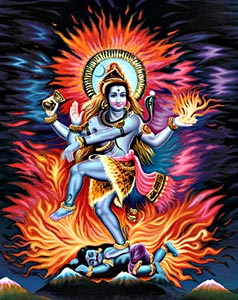
Maheswara
Maheswara, meaning “the Great Lord,” is a revered name of Lord Shiva in Hindu tradition. It represents Shiva’s supreme authority over creation, preser...
Related articles in Religion in India
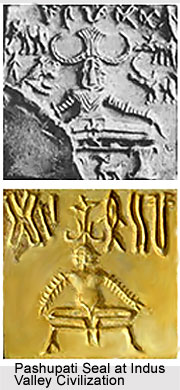
Religion in Indus Valley Civilization
Religion in Indus Valley Civilisation included Hinduism, Buddhism and Jainism. Details about the religion in Indus Valley Civilization have been gathe...
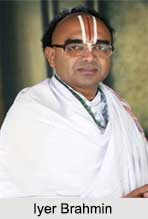
Iyer Brahmin
Iyer Brahmins are originally from Tamil Nadu of South India. They are known for their adherence to Advaita philosophy and Smarta traditions. Tradition...
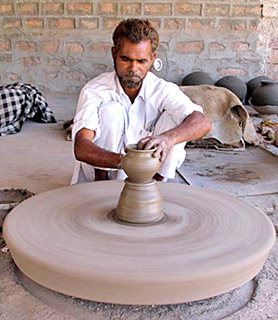
Kumbhakar / Kumhar Caste
Kumbhakar or Kumhar caste is a traditional artisan community in India known for pottery making. Derived from Sanskrit word Kumbhakar, meaning potter,...

Gujjars in Mughal Era
Gujjars in the Mughal era enjoyed great power. Further their power increased with the decline of Aurangzeb, Mughal emperor.
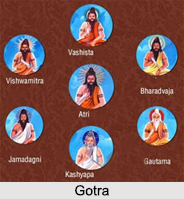
Gotra in Hinduism
In Hinduism, gotra refers to a lineage system tracing descent from ancient sages, primarily through the paternal line. Originating from Vedic traditio...