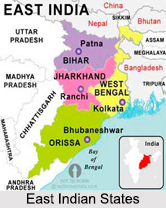
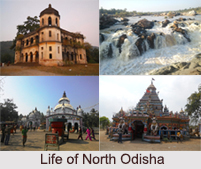
 Districts of Odisha bring out the diverse nature of the state. Odisha lies in the eastern coast of India and is renowned for its temples spread across the state. Bhubaneshwar is the capital of the state, which is a famous temple city and handicraft centre. Odisha possesses an aggregate of 30 districts. The districts of Odisha have been detailed below.
Angul District
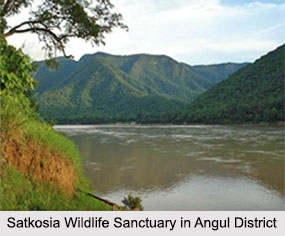
It is one of the districts of Odisha located in the central portion of the state. It is one of the top revenue generating states of Odisha. The district is rich in wildlife and deposits of coal.
Balangir District
The region has substantial deposits of graphite, quartz, quartzite, bauxite and manganese. It is the homeland of the Kutia, Binjhals, Khond Tribe and Ganda tribesmen. Lying on the northwest of the Gandhamardan Hills, this is a major attraction in the district. Other tourist attractions include Hirapur, Jogisarada and Patnagarh.
 Balasore District
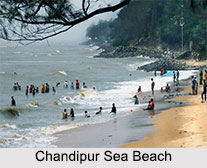
It has vast stretches of paddy fields. Major tourist attractions of the district are Remuna, Chandaneswar, and the sun drenched Chandipur and Talasari beach. The district headquarters is at Baleswar, which is home to the Defence Research Development Organization (DRDO).
Bargarh District
It is located in the western part of Odisha spread over an area of 5,832 sq. km. The main crops produced here are rice, pulses and oilseeds. Fruits like mango, banana, citrus friuts, papaya, guava and Lychee are also grown. The places of interest include Ambabhona, Barpali, Bhatli, Bijepur, Diptipur, and Panimura.
Bhadrak District
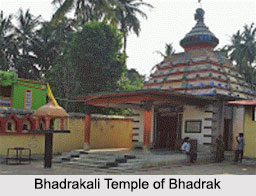
Among all the districts of Odisha, Bhadrak is famous for the Bhadrakali temple. Major places of tourist interest here are Aradi, Dhamra, Arharpada and Ishwarpur. It is also the gateway to many temples.
Boudh District
It is rich in mineral deposits and therefore mining is an important industry here. Mahanadi River and its tributaries traverse through Boudh rendering the plains fertile helping in paddy cultivation. Mahanadi is a rich source of diamonds and other valuable gemstone. Boudh also has a flourishing textile industry. It is a region with rich cultural heritage manifested in the temples, ancient Budha statues and caves spread in the region. The Ramnath temple, Jogindra Villa Palace, Hanuman Temple are some of the prominent ones.
Cuttack District
It is popular for antiquities, monuments and handicrafts. Few towns of the district are developing industrially which are Choudwar, Vyasnagar and Dhanamandal. Dhabaleswar Island, Lalitgiri, Naraj, Choudwar, Niali-Madhav and Paramahansanth Temple are some of the major attractions in the district.
Deogarh District
Deoghar, one of the districts of Odisha, has its headquarters at Deogarh. Agriculture is the backbone of the economy here. Pradhanpat hill and waterfall is a famous attraction of the district.
 Dhenkanal District
Dhenkanal is one of the districts of Odisha. Keonjhar, Cuttack, Jajpur and Angul are the neighbouring districts of Dhenkanal. It is spread over an area of 4,600 sq. km. and is basically an agricultural district.
Gajapati District
The tribal community dominates Gajapati district. The district headquarters is located at Paralakhemund. It is spread over an area of 3,056 sq. km. The Vamsadhara and Mahendratanaya are the major rivers here. Gajapati is well known for its cane and bamboo handicraft works and granite stones.
Ganjam District
This is one of the districts of Odisha, which is a rich deposit of manganese, monazite, sand and talc. It covers an area of 8,033 sq. km. with the district headquarters at Chhatrapur.
Jagatsinghapur district
Jagatsinghapur district is spread over an area of 1,759 sq. km. with district headquarters at Jagatsinghpur. Paradeep, a major port of the state is located here. Siali beach of this place is now a popular tourist"s destination.
Jajpur District
It has its headquarters in the town of Jajpur, which is a pilgrimage destination. The district is situated on the banks of the Baitarani River. It has rich mineral deposits with many industries and mines. Some of the tourism interets are Ashokajhar, Langudi Hill, Gokarnika, Mahavinayak, Chandikhol, Patharajpur, Ratnagiri and Shri Siddheswar Temple.
Jharsuguda District
It is situated in the western part and is one of the most industrialized and urbanized districts of Odisha. Jharsuguda is rich in mineral wealth especially coal. The Kharasrota, Birupa, and Ib Rivers flow through the district which renders the plains fertile, contributing to the production of Rice.
Kalahandi District
It has the district headquarters in the town of Bhawanipatna. Some of the industries located here are Western Sugar and Chemical Industries Ltd, Konark Growers Cooperative Spinning Mills Ltd, and Kesinga and Odisha Regional Cooperative Oil Seed Growers Union Ltd. Ravanadhara waterfall, and hot water spring of Banshakela major tourist attractions here.
Kandhamal District
It is nearly covered with forests and mountains. The region has substantial deposits of graphite, manganese, coal, bauxite, china clay, limestone, and semi precious stones. Daringbadi, a hill station, Belghar Sanctuary and the Putudi Waterfalls are major natural attractions in the district.
 Kendrapara District
It is spread over an area of 2,546 sq km. The Bhitarkanika Wildlife Sanctuary and national park at Bhitarkanika and the Crocodile Research Farm at Dangamal are the prime interests in the district.
Keonjhar District
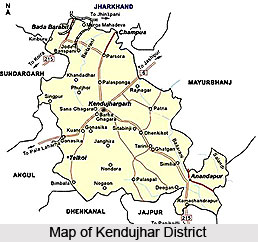
Another district of Odisha, Keonjhar, is a green land of scenic beauty with rich mineral deposits. It has vast deposits of iron, manganese and chrome ores. It attracts pilgrims to the shrines of Siddha Jagannath, Siddha Kali, and Panchabati.
Khordha District
It is spread over an area of 2,889 sq. km. and is famous for its cottage industries. The major attractions of the district are Barunai Hill, Chilika (Barkul), Hirapur and Nandankanan Sanctuary. It is here the capital of Odisha, Bhubaneswar lies.
Koraput District
It is located in the southern part of Odisha with district headquarters at Koraput. Dense virgin forests, cascading waterfalls, flashing springs and green meadows characterize the district. It has vast deposits of manganese, mica and graphite.
Malkangiri District
Malkangiri, one of the districts of Odisha has half of the area covered with forests. The tribal and the marginalized communities dominate the district. The main tourist interests are Chitrakonda, Motu, Balimela and Manyamkonda.
Mayurbhanj District
This is one of the largest districts of Odisha with its headquarters at Baripada. Majority of the district is covered with forests, which have a varied flora and fauna. The major attractions of the district are Deokhund with its enchanting waterfalls, Haripur, Khiching and Simlipal Tiger Reserve.
Nabarangpur District
People of this place depends on agriculture. The district also has substantial mineral deposits of iron, chlorite, mica, quartz and granites. The forests of the region have rich wildlife.
Nayagarh District
Nayagarh is one of the oldest districts of Odisha. The Burtanga River flows through the district. It is well known for its leather works, brass and bell utensils and sugar factory.
Nuapada District
It lies in the western part of the state. Budhikomna, Patalganga, Thipakhol, Patora, Sindursil and Yogimath are ideal tourist destinations here.
 Puri District
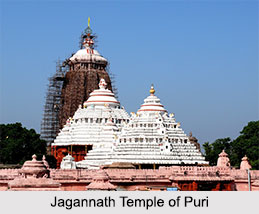
It is famous for the Lord Jagannath Temple and the car festival. It is one of the four dhams (spiritual place of the Hindus) The district is famous for stone sculpture, palm leaf paintings, tassar paintings, sand art and appliquaes work. Other tourist attractions here are Balighai Beach, Baliharachandi Beach, Ramchandi Beach and Chilka Lake.
Rayagada District
Raygada is dominated by the tribal population mainly the Kondhas and the Souras. The region has vast deposits of mineral resources like Bauxite, graphite, manganese, quartz and gemstones. The main industries here are ferro manganese factory, ferro silicon factory, paper mill and sugar factory.
Sonepur District
Sonepur district or Subarnapur district has the district headquarters at Sonpur and is located in the western part of Odisha. It is famous for its handloom and handicraft products.
Sundargarh District
The district with its headquarters in the town of Sundargarh is dotted with lofty peaks, virgin forests and rocky terrain. Popular tourist spots are Darjeeng, Ghogar, Khandadhar, Mandira, and Miriglotah.
Sambalpur District
It is located near Mahanadi River basin. The historical city of Sambalpur is the headquarters of this district. It is famous for textiles, varied tribal life and exquisite monuments. The major attractions are Ushakothi Wildlife Sanctuary and Huma Temple dedicated to Lord Shiva.