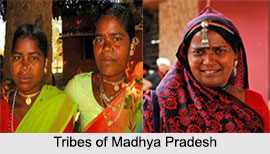
Binjhwar tribe is considered as a civilised Dravidian tribe or a caste formed out of a tribal group. They are mainly found in regions of central India like Raipur and Bilaspur and other adjoining areas. Madhya Pradesh is an abode of Binjhwar tribes who throng various places of the south eastern region of this state including Bastar district. Due to the fact that the Binjhwar residing region of the state is mainly covered with the forests, these Binjhwar tribes have adopted the occupations like collection of forest products and also several minerals. These tribes are wholly unaware of the external world and are quite contented with their individual traditions and ethnic beliefs. Binjhwars are an offshoot of the prehistoric Baiga tribe of Mandla District and Balaghat.
Origin of Binjhwar Tribe
The origin of these Binjhwar tribes dates back to several centuries, when the state of Madhya Pradesh, including Bastar was dominated by numerous dynasties, namely, Nag, Gag and Chaturya. The simple and friendly Binjhwar tribal community maintains a very good rapport with all the other tribal communities, namely, Gond tribe, Kanver tribe, Kamar tribe, Baiga tribe, Halba tribe, Korva tribe, Pando tribe and Birhi tribe.
Society of Binjhwar Tribe
Binjhwar tribe has four major sub-divisions, the Binjhwars proper, the Sonjharas, the Birjhias and the Binjhias. The tribe also has certain exogamous divisions. The names of these exogamous sects are of diverse and combined character. Some of the names are Bagh, a tiger; Panknali, the water-crow; Kamalia, the lotus flower; Pod, a buffalo; Tar, the date-palm; Jal, a net, and others. The sept names differ as per different localities. In case of marriages, girls are allowed to choose their husbands. Marriage ceremonies are usually held at bridegroom`s place. They also allow divorce. In their societies, they usually bury the dead. The Binjhwar people are very religious and they worship some local deities of Chhattisgarh region.
Culture of Binjhwar Tribe
Festivals, dance, music form an integral part of these Binjhwar tribal community, thus ennobling it to a great extent. In fact, their desi art, shrines and statuettes have got popularity in the whole of the Indian subcontinent. The Binjhwar tribes too have developed faith for religion and spiritualism. To appease the divine gods, the Binjhwar tribes carry on various rituals and customs. These Binjhwar tribes have enormous faith in their village gods and goddesses of the local origin. Deities like Danteshwari and Aanga Devta are some of the principal deities that these Binjhwar tribes revere in great adoration and devotion. The people of this tribal group regard this Aanga Devta with great respect and awe as this deity helps them to keep track on various criminals and evil people. One additional deity that the Binjhwar tribal community revere, Bhimdev is adored at the time when there are no rainfalls in the state. In fact majority of these Binjhwar tribes are also superstitious.
Fairs and festivals are an integral part of the culture of the people of this Binjhwar tribe. A huge three-day long fair is organised during the month of March. It has been consecrated to the deity Aanga Devta. Apart from this, these Binjhwar tribes also revere the Hindu god, Lord Ganesha. Dantewada is far-famed for its Danteshwari Temple. There is an ancient temple of Lord Shiva, which has twelve pillars. In addition, there are Ganesha Temple and Mama Bhanja ka Mandir as well.
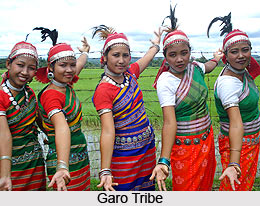
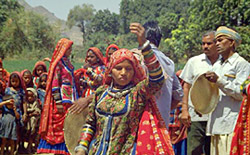
Dresses of the Binjhwar tribal community are quite exquisite and beautiful. The Binjhwar tribal females are quite fond of jewellery, which is very exotic. Maximum of these jewelleries are handcrafted. These include necklaces prepared from cane, grass, or beads. Silver ornaments are in vogue. Various materials like tiny pieces of wood, glass, and peacock feathers, copper are used for making jewellery. Also diverse kinds of wild flowers and leaves are used to embellish the long hair of these Binjhwar tribal females. In the village areas, Binjhwar females wear chains, which are made up of one-rupee coins.
The major occupation of the Binjhwar tribes is cultivation. Some of the Binjhwar tribes have taken up handicraft as their occupation. In fact the Binjhwar artists prepare handicraft items from bamboo, wood and a variety of metals. For selling in the fairs, these Binjhwar tribes also made beautiful baskets, statues, mats, wall hangings, face masks. Binjhwar tribal community is also acknowledged for its terracotta work.
Melodious music and dance are a vital part of the Binjhwar tribal community. The dance and music of people is of numerous varieties. The whole of the region quite often bounces and reverberates with the beats of the drum of this Binjhwar tribal community. The culture of Binjhwar tribal community is considered to be enriched without exotic culinary dishes that the tribal communities prepare. So these Binjhwar tribes are also not an exception. In fact these Binjhwar tribes can make delicious delicacies form mushrooms, insects and small animals. To add to these, these Binjhwar tribes have also developed addiction for alcohols that are made locally. Some of the people of this Binjhwar tribal community are also fond of various fishes as well. Pork is a chief item in their diet and almost each and every chief ceremony starts with the sacrifice of a pig.