Homeopathy is a system of medicine based on nature`s simple principle of `what can cause can cure` - Similia Similibus Curantur. Homeopathy is such a science that has been made by simply observing and mimicking nature. According to diagnosis and treatment in homeopathy the remedies are used in wide variety of situations.
Homeopaths often treat chronic conditions, such as insomnia, chronic fatigue syndrome, multiple sclerosis, attention deficit hyperactivity disorder, headaches and arthritis. Homeopathy is also used for digestive problems like diarrhea, acute infections, bruises and injuries, emotional disorders and various women`s conditions such as pre menstrual syndrome, post-partum depression, menopause-related problems and fibroids. It`s extremely popular for treating respiratory problems, including asthma, rhinitis allergies, colds and flu.
 Homeopathic remedies are considered to be safe because they are highly diluted and more often used for children. Most of the medicines are available without a prescription. Traditionally, only one homeopathic medicine is used at a time, although combination remedies are commonly found in health food and other stores that sell the remedies over the counter. "The law of similars" is a basic principle of homeopathy. It states that a substance that creates symptoms in a healthy person can cure illness. Homeopaths adapt their treatments to the patient that is why two people with the same condition may not receive the same remedy. There are some particular factors on which the types of remedy depend, like Environmental factors, diet or health history.
Homeopathic diagnosis and treatment lies in the holistic and individual approach. And according to it homeopathic practitioners treat the person who is sick and not the body parts. The practitioner considers all Mental, Physical, and Emotional aspects of the person. They regard each patient as an individual and thus determine the medicine. It is based on the totality of the symptoms and selection of medicine is also done according to that. Thus, it can be said that five people with fever or flu might get a different homeopathic remedy each one aimed at the individual.
Homeopathy believes in creating an individualized formula or plan for each particular type according to the patient`s personality, type of disease, age, how long they have been sick, etc. The diagnosis and treatment in homeopathy see to it that the prescription should be changed if the person is coming two months and the condition is different at that time. Then the prescription should be based on the individual`s present body condition. This is why in homeopathy no one knows ahead of time what a new prescription should be, and no one can prescribe remedies on the telephone.
Treatment:
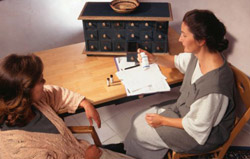 Homeopathic diagnosis and treatment can be called as a form of art. It sometimes takes a long time and much preparation before selecting a remedy, or decides on the right combination of treatment. If a person is suffering from diabetes, this means different organs of the individual that are involved in this are the pancreas, the immune system, the hormonal system, etc. and from the beginning, the medicine must also be chosen according to the build up of the person and his type of personality.
Secondly the medicine prescribed should balance the hormonal system; thirdly medicine should balance the pancreas itself and fourth the medicine must balance this type of personality`s immune system. If the same person comes with other complications such as gynecological problems, irregular menstruation, etc., then the logic should be absolutely different because a new level of problems will have to be taken under consideration, i.e. the function of the ovaries, the pituitary gland, etc.
Again another person may come with problems like diabetes and asthma; then again the calculation will be absolutely different because then the asthma-like symptoms should be considered.
Some of the common homeopathic remedies, which are highly diluted, are given below:
• Arnica Montana is the most common among all the medicines. It`s used locally and orally for relief of sore muscles or bruises or injuries.
• Calendula officinalis or the garden marigold is used locally to speed the healing of cuts, wounds and other skin irritations.
• Ignatia is another common homeopathic remedy, which is used to treat grief, anxiety, stress and insomnia.
Particular remedies are selected based on the symptoms derived from a healthy person. The method of determining this is called "proving" the remedy. Healthy people receive full-strength doses of a substance and their symptoms are observed and recorded. After that the highly diluted amounts of the substance determined to be remedies for those symptoms in an unhealthy person. Provings are done in a scientific and controlled manner. The provings are then listed in a homeopathic repertory, which is the homeopath`s referral text. By comparing an individual`s symptoms to the listed provings, a particular remedy can be selected.
In homeopathic diagnosis and treatment some remedies are so diluted that no molecules of the original substance remains there. The FDA points out that it`s almost impossible to identify any active ingredient. But the homeopathic belief is that the substance has left its imprint or skeleton of the molecule-the water or alcohol is `potentized.` The imprint is greater if this is shaken and diluted more.
No one can expect any miracle cures in homeopathy; the goal of the medicine is not to attack the symptoms, but to cure full health. In fact, homeopaths often expect an aggravation of symptoms as the remedy takes effect. If someone has a chronic condition, it could take weeks. Homeopaths may try various remedies before finding the right one. The diagnosis and treatment in homeopathy varies by individual. Some medicines are based in alcohol while some are in water. So if someone cannot drink alcohol, he or she should made it clear and try to mix it with water.