 Quite a handful of wildlife sanctuaries are being built in the heartland of South India. Ranganathittu Wildlife Sanctuary is one of the most significant sanctuaries. The story of its formation is quite interesting. Ranganathittu is located a few kms upstream the historic place Srirangapatnam.
The renowned ornithologist, Salim Ah conducted a survey of the Mysore region and made some interesting remarks. He found that the newly formed islands of the region had attracted large bird populations, Marsh Crocodile, better known as Mugger, and other wildlife was also present. A sanctuary was declared in the year 1940 comprising many of the islands. Infact Ranganathittu Wildlife Sanctuary was named after Ranganathittu; covering an area of the 0.67 sq km. Ranganathittu is noted for its large concentration of nesting birds.
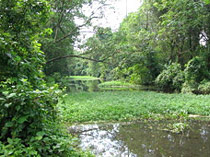
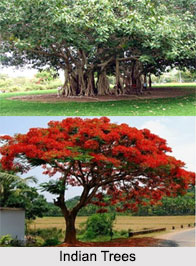
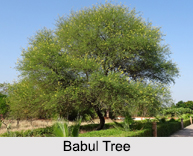
Ranganathittu Wildlife Sanctuary has a rich wealth of wild flora and fauna. It is a wonderful sanctuary, full with lush green vegetation. In woods and open grass lands, numerous birds, namely, Black-rumped Flameback, Rufous Tree pie, Eurasian Golden Oriole, Asian Paradise-flycatcher etc are found.
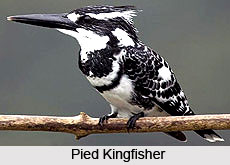
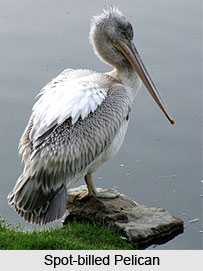 Large trees are the safe haven for the water birds. Famous water birds are Great Cormorant, Darter, Great Egret, Intermediate Egret, Purple Heron, Asian Openbill, Eurasian Spoonbill, Black-headed Ibis, Spot-billed Pelican, Painted Stork, Spotbill Duck, Lesser Whistling-duck, River Tern, Black-bellied Tern, Black-winged Stilt, Great Thick-knee, Wire-tailed Swallow, Pied Kingfisher and White-browed Wagtail. Other water birds, namely, Egrets, herons, ibises, cormorants, pelicans, open bills and spoonbills breed between May and early September.
The breeding season arrives here in this riverine island early in the year enriched by the high organic content of the surrounding agricultural tracts and the seasonal flow-levels of the river. River Terns and Great Thick-knees breed on the rocks in the summer days. Between the months of late July and October, the Ranganathittu Wildlife Sanctuary is thronged with young birds rested on low branches or on the projecting rockbeds.
Apart from a few raptors, the nesting birds find protection from hunters and predators. These include Osprey, Grey-headed Fish Eagle, Eurasian Marsh Harrier, Black-shouldered Kite, Brahminy Kite, Pallid Harrier, and Shikra.
Huge crocodiles and other reptiles are found basking on these rocks. These include Smooth Indian Otter, Bonnet Macaque. Also huge congregations of bats, specially the Indian Flying Fox, are founding resting on trees.
To the tourists, Ranganathittu Wildlife Sanctuary draws special attention. They found it exciting to catch a glimpse of winter migrants like ducks, waders, wagtails, swallows and birds of prey. Tourists throng the southern riverbanks, which offer splendid opportunities for sighting these birds and other wild life forms. The forest department coordinates boat and small boat rides, which facilitate encounters with the wildlife from, close proximity. However it is also necessary for them to exert a reasonable distance during the breeding season.