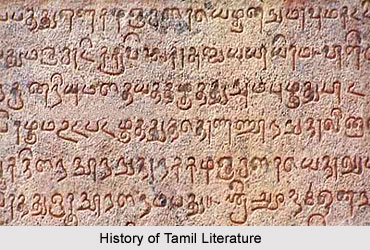
 Religious works in Tamil literature gained prominence in the Tamil country during the period between 1100 century AD and 1700 century AD. After the fall of the Chola and Pandya rulers, literature in the Tamil country suffered to a great extent. But with the emergence of the Vijayanagara Empire, literature again gained prominence as the Nayaks patronized religious and spiritual literary works in Tamil. The cittars or self-realised poets wrote numerous Tamil literary works to express their spiritual experiences and a simple and understandable manner. The primary objective of the cittars was to narrate their deep spiritual experiences and thoughts to the general people. This marked the emergence of religious works in Tamil literature.
History of Religious Literature
Due to lack of able and competent rulers in the Tamil country, chaos and confusion engulfed the nation after the glorious periods of Kambar (Kampar) and Sekkizhar (Cekkilar). The Chola and Pandya dynasties failed to uphold their sovereignty. The Hoysala kings of Mysore expanded their influence over the Tamil country. Later when the Vijayanagara Empire was established in Andhra, peace returned to the Tamil land. The entire South India came under the supreme rule of the Vijayanagara kings. The Nayaks, their vassals, founded a kingdom in Madurai. It was during this period that fine arts and literature was again revived and started to evolve. Afterwards, when the southern part of the Tamil nation was occupied by the Maratha rulers, the northern part came under the rule of the Nawabs of Carnatic. The Tamil country further faced more chaos and was tattered by political struggles and battles.
 After the Nayaks became the rulers of the Tamil country, they supported the development of fine arts and religious literature; poets and scholars composed original literary works. They also wrote commentaries on the existing religious books of that era. The authors and poets primarily composed talapuranas for the entertainment of the civilians residing in a particular area. Several minor works were also created in order to praise and extol the local rulers and the rich noble men in the region. Most of the literary works were mainly eulogies, while some works were erotic in nature. More works on similar themes were composed during the rule of the Maratha rulers from Thanjavur.
Development of Religious Literature
During that period some self-realised poets known as cittars composed various literary works in Tamil language in order to express their own spiritual experiences in a basic and simple style; and thus cared little about pleasing the petty rulers and the rich noblemen. Many authors, poets and philosophers like Tattuvarayar lived during this era and wrote numerous religious works in Tamil literature. During this unstable and chaotic period, the poetic talents in the country emerged in the literary scene. Poets and authors wrote newer kinds of literary works with restricted scope and conception. Various eminent poets such as Villiputturar and Arunakiriyar wrote a number of verses on various themes and genres, including spiritual and religious works.
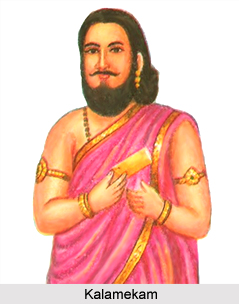
Moreover, renowned poets like Kalamekam also composed several interesting hymns. Other prominent authors of that period included poets like Civappirakacar and Civappirakacar who composed various types of religious works, which became popular for their many literary features. Even though there were political disturbances in the Tamil country, development of Tamil literature sustained due to the rigid literary foundation in the Tamil country which had been established over several centuries.
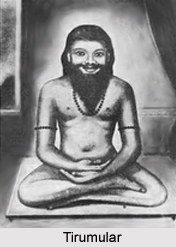
During this epoch, the Tamil cittars expressed their realisations of truth through different poetic forms, in an easy and uncomplicated manner that was acceptable and understandable by the general people. Among the numerous poets who lived in the 6th century AD, the works of poet Tirumular are noteworthy. The cittars were not only mere philosophers but were genuine self-realised souls. These poets were not much focused on the various grammatical guidelines and rules that were laid down as their literary compositions were not created for scholars and erudite, but these were rather composed for the people at large. These authors and poets liberally implemented folk poetry forms, oral traditions and colloquial phrases and words in their poems and verses.
Some of the poems of the cittars also contained hidden meanings as well which portray the essentiality of a quest for meaning when it comes to the metaphorical undertones. These religious and spiritual verses contained both covert and overt meaning. An informal and relaxed reading of the verses of the cittars would depict a simple meaning, but a careful study of the poems illustrates and depicts a profound thought. The poems composed on the topics of medicine do not contain the names of herbs in their proper medical terms. Some of these poets also identified themselves as yogis and sages and were considered as experts in herbal medicine. The system of medicine, which the cittars developed and promulgated, was known as Siddha Medicine in the Tamil country.
Even at the present age, the verses composed by the cittars are recited by the street singers in the state of Tamil Nadu.