Introduction
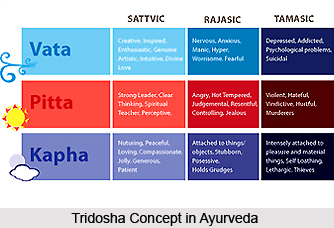
 Kapha, the third of the Tridoshas is made up of the elements water and earth and is the foundation of all the solid structures in the body. It is concerned with firmness, heaviness, strength, sexual potency, forbearances and restraints. It can be said that kapha dosha integrates the whole body by giving it mass and stability and protecting it from foreign invasions.
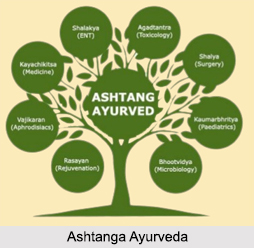
In the opinion of Ashtanga Ayurveda, kapha exists in the upper part of the body, above the "epigastrum" line, mainly investing the thoracic cavity, upper limbs and head. According to Ashtang Ayurveda, the five elements or the Pancha Mahabhutas are the source of the bodily humours or doshas namely, vata, pitta and kapha. These preside over all the physical and mental activities of the body and thus ensuring good health, vivacity and immunity. In each dosha, any two of the five Bhutas are present with any one being predominant.
Characteristics of Kapha Dosha
People with kapha type of body tend to possess a large body framework with padded joints. They have thick, smooth skin which is a bit oily and their hair is glossy and wavy. They exhibit stability and tranquillity in thought, speech and action, prove flexible and supportive in relationships. Moreover, they are steady and loyal. Since they are calm and serene, they enjoy long heavy sleeps and dislike humid, congested surroundings. Their primary quality is their calmness and sweetness. The famous Ayurvedic text, the Charaka Samhita, meticulously jots down the characteristics of kapha personality in the following manner: heavy (guru), soft (mridu), cold (sheetoha), exhibiting lubrication (snigdha), sweet (madhura); stable and immune (sthira) and greasy (tikshila).
Types of Kapha Dosha
 Kapha that is formed from the elements water and earth manifests in five centers and through these it influences the entire organism. The five waters of Kapha are: kledaka, avalambaka, bodhaka, tarpaka and slesaka.
Kledaka is the water of the stomach. Kledaka originates in the stomach. It is the cause of mucus formation in the body. Kledaka`s moist foamy liquid helps in digestion, liquefies foods and nourishes the remaining waters of Kapha. When the first water is aggravated, the digestion process becomes weakened. The abdomen becomes heavy that may lead to nausea.
The second water of Kapha is avalambaka that resides in the chest and heart. It provides a fluid tissue covering to the heart thereby protecting the heart & acting as a shock absorber. It also provides the limbs with energy. When avalambaka is disturbed it brings in laziness. Rheumatic fever and pains in the pericardium may occur.
Bhodhaka is the third water of Kapha. It joins the five waters of body`s river. It sends water to the tongue and palate and gives the insight of taste. It registers each of the tastes in nature and sends the appropriate impulses to the receiving tissue long before the food is swallowed. Bodhaka liquefies the food. When this is disturbed, crimes against the body`s natural instincts are committed. This creates foul undigested remnants of food which stick in the tissues and promote diseases like obesity, bulimia, and anorexia.
Tarpaka is the fourth water of Kapha that flows in the brain and spinal cord. It soothes the sense organs thereby protects the nervous system. When this is in imbalance the sense organs become impaired that results in memory loss and dullness of sensory perceptions.
The fifth water is slesaka that is located in the joints. It lubricates the joints thereby giving them solidity. Slesaka`s oily gel protects the joints from heat thereby making ti flexible to move. If slesaka is impaired, the joints may become swollen, painful and dysfunctional.
Remedies for Kapha Dosha
The three Ayurvedic tastes that are suitable for the Kapha personality are pungent, bitter and astringent, so more of these should be included in the diet in order to balance kapha. Light warming foods help to balance kapha. Kapha deficiency causes a feeling of emptiness in the stomach and other body cavities, a sensation of dryness or internal burning, looseness of joints, weakness, thirst and sleeplessness. Excess of kapha is exhibited through whiteness of complexion, a feeling of coldness, tiredness, fullness of the stomach, heaviness, looseness of the joints and a tendency to sleep excessively. In case of vitiation, kapha can cause digestive disorders, numbness of limbs, vomiting and distaste for food.
Thus when kapha predominates in a person, a proper diet and various Yoga therapies that fit the kapha personality should be maintained to prevent disorders in this dosha.
Diet for Kapha Dosha
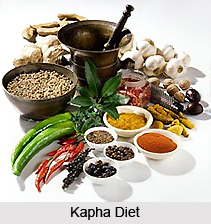 Ayurveda states that a person should choose his diet depending on his dosha. People with a predominant kapha dosha are often overweight and have high muscle development. They are prone to weight gain. These kinds of people mostly have clear, fair or pale complexion with oily, thick and wavy hair. Their teeth are strong, white and well formed. So, a person in whom the Kapha dosha is dominant should eat diet, which will pacify the Kapha dosha.
To pacify Kapha one should eat small amounts of food and should go for Vata dosha aggravating foods. Foods, which have a pungent, bitter or astringent taste, can also be consumed.
Foods, which are dry, hot and sharp can be taken, puffed cereals such as puffed rice or corn and grains like millets, barley, corn, rye, and buckwheat can be eaten. Chapattis without butter, oil or ghee and plain dry roasted bread is beneficial for such people. Beans like mung beans, tofu, and lentils should also be a part of the diet.
For such persons, it is better to eat green leafy vegetables. Vegetables like asparagus, beets, broccoli, brussel sprouts, cabbage, carrots, celery, peas, eggplant, lettuce, bell peppers, radish, spinach, and zucchini can be helpful. Fruits like, apples, pears, apricots, cherries, peaches, pomegranates, papaya and dried fruits like figs, apricots and raisins are good for such person.
Beverages like warm drinks, herbal and spice teas, fruit and vegetable juice ensure medicinal help. Spices like garlic and ginger, turmeric and chillies can help to remove Kapha dosha in terms of unwanted mucus from the body.
Foods to Avoid
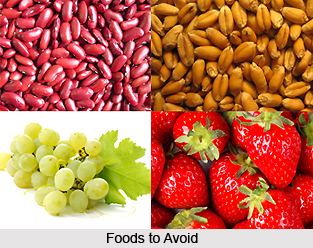
Foods, which aggravate Kapha, are dairy product, wheat, oils and avocados. Sweet products like deserts, deeply fried foods, salty and heavy food aggravate Kapha. Excess salt also increases Kapha dosha. Vegetables having too much water within them and sweet juicy fruits also aggravate Kapha dosha. For example, vegetables like cucumbers, avocado, cauliflower, corn pumpkin, mushroom, sweet potatoes, tomatoes, and brinjal are to be avoided completely. Fruits such as banana, citrus, dates, coconut, figs, grapes, mangoes, melons, pineapple, plums, rhubarb, and strawberries should be strictly removed from the diet.
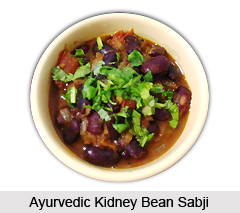
Grains like oats, rice, wheat and pasta should be avoided. Beans like kidney beans and chick peas should not be consumed. Beverages specially carbonated drinks, cold or iced drinks, coffee, tea, and alcohol should be replaced with the right food.
Ayurveda states that a person should choose his diet depending on his dosha. People with a predominant kapha dosha are often overweight and have high muscle development. They are prone to weight gain. These kinds of people mostly have clear, fair or pale complexion with oily, thick and wavy hair. Their teeth are strong, white and well formed. So, a person in whom the Kapha dosha is dominant should eat diet, which will pacify the Kapha dosha.
Foods to Include in Diet : To pacify Kapha one should eat small amounts of food and should go for Vata dosha aggravating foods. Foods, which have a pungent, bitter or astringent taste, can also be consumed.
Foods, which are dry, hot and sharp can be taken, puffed cereals such as puffed rice or corn and grains like millets, barley, corn, rye, and buckwheat can be eaten. Chapattis without butter, oil or ghee and plain dry roasted bread is beneficial for such people. Beans like mung beans, tofu, and lentils should also be a part of the diet.
For such persons, it is better to eat green leafy vegetables. Vegetables like asparagus, beets, broccoli, brussel sprouts, cabbage, carrots, celery, peas, eggplant, lettuce, bell peppers, radish, spinach, and zucchini can be helpful. Fruits like, apples, pears, apricots, cherries, peaches, pomegranates, papaya and dried fruits like figs, apricots and raisins are good for such person.
Beverages like warm drinks, herbal and spice teas, fruit and vegetable juice ensure medicinal help. Spices like garlic and ginger, turmeric and chillies can help to remove Kapha dosha in terms of unwanted mucus from the body.
Foods to Avoid : Foods, which aggravate Kapha, are dairy product, wheat, oils and avocados. Sweet products like deserts, deeply fried foods, salty and heavy food aggravate Kapha. Excess salt also increases Kapha dosha. Vegetables having too much water within them and sweet juicy fruits also aggravate Kapha dosha. For example, vegetables like cucumbers, avocado, cauliflower, corn pumpkin, mushroom, sweet potatoes, tomatoes, and brinjal are to be avoided completely. Fruits such as banana, citrus, dates, coconut, figs, grapes, mangoes, melons, pineapple, plums, rhubarb, and strawberries should be strictly removed from the diet.
Grains like oats, rice, wheat and pasta should be avoided. Beans like kidney beans and chick peas should not be consumed. Beverages specially carbonated drinks, cold or iced drinks, coffee, tea, and alcohol should be replaced with the right food.
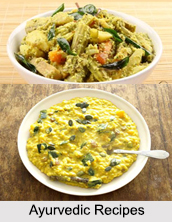
Moong Dal Khichdi for Kapha Dosha
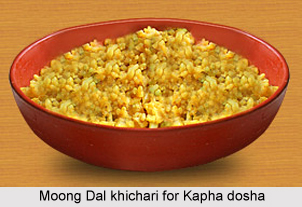 Moong dal khichdi is a rice preparation which is loaded with various health benefits. The recipe is light and easy to digest hence it is quite popular amongst the people who follow ayurvedic diet practices. This recipe is good for all dosha (tridoshic) but mainly beneficial for Kapha dosha. Basmati rice, yellow split moong dal, ghee, bay leaves, cinnamon bark, cloves, cardamom pods, and salt are the main ingredients for preparing this dish. It is easy to cook and can be prepared even at home.
Ingredients of Moong Dal Khichdi for Kapha Dosha
• One-cup basmati rice
• One-cup yellow split moong dal
• Three tablespoonful of ghee
• Four bay leaves
• Four small pieces of cinnamon bark
• Four whole cloves
• Four whole cardamom pods
• Six cups of water
• One-fourth teaspoonful of salt
Method of Preparing Moong Dal Khichdi for Kapha Dosha :
• Wash the rice and mong dal before soaking them in water for at least two hours before cooking.
• Heat a saucepan on medium flame and then add ghee.
• When hot, put the bay leaves, cinnamon, cloves and cardamom and stir until the spices blend well and give out an aroma.
• Mix the rice, dal, salt and water and boil at a low flame uncovered for five minutes. Cover and cook on low heat for nearly twenty five to thirty minutes until the dal and rice have softened
• Serve hot.
Benefits of Moong Dal Khichdi for Kapha Dosha
This healthy yet delicious dish ensures lots of benefits which are as follows:
• Since, it is made using a range of herbs and spices; it is capable of healing various diseases.
• Owing to its ease of digestion and assimilation, it is also preferred in Ayurvedic cleansing therapy.
• It can be consumed by anyone with any type of doshas but is especially good for vata.
Moong dal khichdi for kapha dosha is generally consumed as a single dish. It can also be teamed up with a mixed vegetable dish, ghee or salad. This nutritious dish can be eaten both as lunch and dinner food item.