Introduction
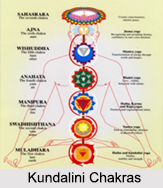
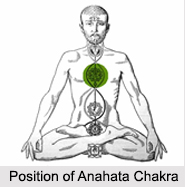
 Anahata Chakra is the fourth chakra of the Kundalini Chakras as per the Hindu Yogic, Buddhist, Tantric and Shakta traditions. It is also known as the Heart Chakra. Heart chakra is known to be located in the chest near the heart. In the body, this chakra links to the cardiac plexus, and governs over the heart, lungs, and thymus gland. The heart is undeniably a centre of peace.
Appearance of Anahata Chakra
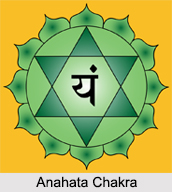
 The emblem for the heart chakra is a circle of 12 lotus petals bordering 2 overlapping triangles, shaping a 6 pointed star. The triangles symbolise the descent of spirit into the body and the ascent of matter intensifying to meet spirit. This symbol illustrates the Sacred Marriage; the equilibrated interpenetration of masculine and feminine. This is the star of radiancy that radiates from an open-heart chakra. The 6 points can also be seen as associating with the 6 other chakras, as they are each incorporated at this centre. The element of this chakra is Air which symbolises breath or "Prana".
Function of Anahata Chakra
Anahata is an integrating and unifying chakra bringing to wholeness as such, it is the healing center. Indeed, most spiritual traditions recognize love as the ultimate healing force. The energy of Anahata allows one to recognize that he or she is a part of something larger, interconnected within an intricate web of relationships extending through life and the universe. Anahata allows one to recognize and get in touch with the sacred and fundamental truth that runs through all of life and connects everything together.
Activating Anahata Chakra
Activating Anahata Chakra or Heart Chakra can be achieved with the mind controlling the desires. It represents the total overcoming of desire by both the mind and the spirit. The signposts for activating the heart chakra are as follows:
Symbol: The symbol of the chakra is the hexagram. A close look depicts that the two triangles are interlaced or are as if the six triangles are fitted together. This means that all the triangles of the navel chakra are brought under control and combined into a symmetrical entity. Each individual triangle symbolizes one aspect of the awareness level.
Colour: The colour of the chakra is the lightning that is seen in the navel chakra but is not threatening. The lustrous color pervades the person. The closest comparison to the color can be made with a beautiful light purple fluorescent paint.
Element: The smoke and hot air rise from the fire which in turn raises the spirit. The confidence level is also raised which then takes control of the fire. The smoke should be allowed to rise or else the fire will be choked out. So the air must rise above the fire if the fire is to continue, and the spirit must rise above the body if the body is to serve its purpose. The body is only the temporary house of the spirit.
Sound: The sound of the chakra is that of bells that are rung hard but they do not make any recognizable tune. Only after carefully hearing the tune one can realize that these are the sound of the bells. The mantra of this particular sound is YAM. The sounds of the mantra are very difficult. All the members of the group begin with the same mantra. One person is selected to vary the rate of repetition; another is selected to vary the volume; and another is selected to vary the pitch.
Animal: The animal of the chakra is an antelope which is seen running away from some unspecified attacker. As it runs its hide sparkles and the muscles move along its flanks. Soon it gets over its fear and moves freely. It runs and jumps in exuberant understanding of its life and its power over nature.
Material: The material of the chakra is sapphire which has a light blue color. It is had stone formed in the fire. The sapphire is cut with triangular shapes and represents a hexagram. Each of the triangles has two long sides and a shorter base side.
Texture: The texture of the chakra is that of bone. The bone supports the frame of the body.
Smell: The chakra smell like the fresh blood. It has a fairly light odor yet it has a terrible psychic importance. It indicates the release of a spiritual being and represents a part of the mundane body. It suggests that each being is mortal who should concentrate on the spiritual part of oneself.
Taste: The taste of the chakra is that of dark black and bitter chocolate. This means that the world can be a bitter place to live. Hence if one understands the bitterness then he can acknowledge that these setbacks are an opportunity for growth
Goddess: The goddess of the chakra is Kakini who is an attractive olive-skinned lady. She has three old eyes which are kept open. She has four arms and four hands. One of the hands makes the gesture of fearlessness. Kakini also holds a whip to remind to concentrate on the development of spirit instead of remaining only in the sensual world. In another hand she holds a cup that is made from a skull. It contains the most exquisite wine of life.
Exercises for Anahata Chakra
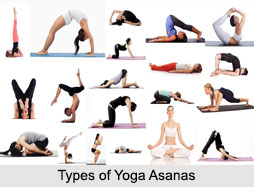
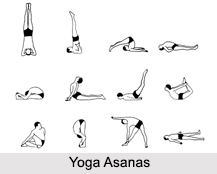
The Anahata Chakra or the Heart Chakra is the located in the heart and the center from which feelings of love emanate. The Heart Chakra is also associated with other pure emotions like joy, happiness, honesty, respect, compassion, understanding and generosity and with loving anyone in a sincere way without any ego. There are many asanas associated with this chakra.
Chest Opener Exercise : Here the practitioner puts his arms behind his back, clasp his hands together and rotate his arms so that his elbows get lock. This should press his shoulders back and the chest out. After taking a deep breath he must throw his head back and use his arms as momentum to rotate the torso. He must next grab a belt, towel, or tie and hold it overhead with his arms forming a triangle. This would help in added stretching and opening of the pectoral muscles around the chest. Next keeping the elbows straight he must stretch his arms back behind him still holding the belt to provide a good stretch.
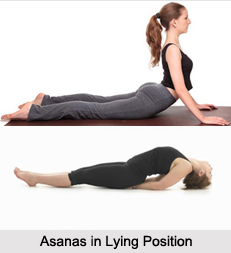
Cobra Exercise : 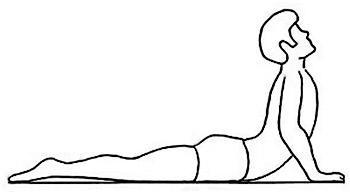 This is a yogic exercise that should be practiced early in the morning after waking up. It works on the upper thoracic vertebrae, and helps alleviate the rounded back that comes from a collapsed chest. To practice this exercise the practitioner must lie flat on his stomach with his arms bent and palms placed face down by his shoulders. Without using the arms as support, he must slowly lift his head, shoulders, and back as far as he can go comfortably. After relaxing he must again lift again, going as far as he can, and then using the arms, push up just a little farther. This procedure must be repeated often.
Windmill Exercise : Here the practitioner must stand with his arms stretched outward to each side and twist the torso back and forth. This sends energy from the body down into the arms and hands, and loosens the tight muscles of the chest and abdomen.
Arm Circles Exercise : This exercise stimulates the muscles of the upper arms and upper back (the wings). The practitioner must stretch the arms out straight to each side and rotate in small circles in one direction, gradually moving to larger and larger circles. He must then switch directions and repeat the same exercise.
Fish Exercise : 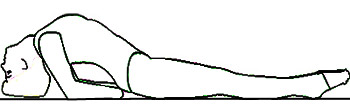 This is another yoga asana, designed to expand the chest cavity. The practitioner must begin by lying flat on his back and stretch the legs along the floor. He must place his hands just under his hips and palms down. Pressing down against the elbows, he must lift the chest upward, arching the neck back and touching the head to the floor. While doing so he must also breathe deeply. He must try to hold his position as long as possible.