Hastings Political Settlements with the Marathas
|
Hastings’ Political settlements with the Marathas reveal that he wanted to dispose of Peshwa along with the system of Peshwaship.
|
|
|
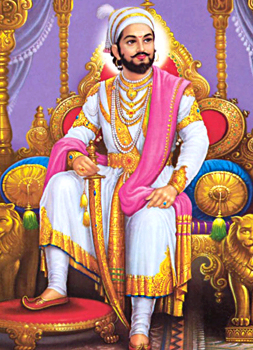 Hastings' Political settlements with the Marathas were done strategically. He decided to set out both Baji Rao II and the Peshwaship scheme. A proclamation was issued in the name of the British Government. It was declared that Baji Rao's dominions were annexed to the British possessions. He also announced the purpose of placing Pratap Singh, the King of Satara at the head of an independent sovereignty. Pratap Singh was the lineal descendent of Shivaji. This was done in order to give the dignity and comfort to the family of Raja. Baji Rao II was provided a pension of eight lakh rupees annually. He was allowed to settle at Bithur near Kanpur under British supervision. Hastings' Political settlements with the Marathas were done strategically. He decided to set out both Baji Rao II and the Peshwaship scheme. A proclamation was issued in the name of the British Government. It was declared that Baji Rao's dominions were annexed to the British possessions. He also announced the purpose of placing Pratap Singh, the King of Satara at the head of an independent sovereignty. Pratap Singh was the lineal descendent of Shivaji. This was done in order to give the dignity and comfort to the family of Raja. Baji Rao II was provided a pension of eight lakh rupees annually. He was allowed to settle at Bithur near Kanpur under British supervision.
Treaty of Mandasor was signed on 6 January 1818 by Holkar. He had to surrender all his territories that lied to the south of the Narmada River including Khandesh. He confirmed the independence of Amir Khan, Nawab of Tonk. He also gave up his claims over the Rajput states and parganas that were under Zalim Singh of Kota. He also agreed to receive a British subsidiary force. Holkar had to surrender his foreign relations to the Company's care. Peshwa was not allowed to exercise any sovereignty over Holkar. Tantia Jog was appointed as the next Chief Minister. Indore became the State's capital.
The settlement as far as Bhonsle's dominions was harsh. Bhonsle's territory which lied to the north of Narmada River was surrendered to the British dominion. Raghuji Bhonsle III, grandson of Raghuji II, was the Raja. As the Raja was an infant, the British assumed charge of the Government. The district administration, Raja's household, all departments including Mint and treasury were under suzerainty of British. The Sindhia was forced to sign another agreement in June 1818. The Maharaja surrendered the town and district of Ajmer and gave up his claim over the fort of Islamnagar in favour of tie Nawab of Bhopal. He maintained a British contingent permanently. He retired from Rajputana and agreed to the mediation pf Company between himself and his tributaries. The Maratha wars disclosed Hastings' aim and ambition. The Maratha power was completely uprooted and vast territories were added to Company's possessions.
|
|
|
|





