


 Oriya culture is a rich mix of ethnicity and tradition. Being the home of famous temples and religious shrines, the pious and spiritual customs intermingle in the social interactions of Oriyas. Music and dance compliment the religious rites and rituals. Oriya culture started its development process a long time back. Discussed below are some of the major aspects of Oriya culture which provide a deeper insight into the life and lifestyle of the Oriya people.
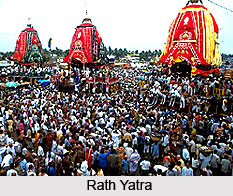
Festivals of Odisha Festivals are part and parcel of Oriya culture. All the popular Indian festivals are feted by the Oriyas along with some local festivals, incorporating religious rituals with social norms. The main festival of Odisha is the Rath Yatra. It is held on the second day of 'Asadha' or monsoon seasons. On this day, the idol of Lord Jagannath, together with Lord Balaram and Subhadra are being brought out in roads in chariots by thousands of devotees. Another popular festival, Dhanu Yatra, is held in the months of December or January to celebrate the occasion of the visit of Lord Krishna to Mathura. The Annual Konark Dance Festival is a huge celebration of Indian classical dance. Magha Saptami is feted in the month of 'Magha' to revere the Sun God at Konark. The five day long Puri Beach Festival starts from November 5, and is observed in the beautiful coastal beaches with great merrymaking and enthusiasm. 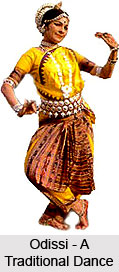 Music and Dance of Odisha
Oriya music can broadly be divided into various genres of folk music, light music, light-classical music and classical music. Folk music like Balipuja Geeta, Kendra Geeta, Jaiphula Geeta depicts the woes and sorrows of the natives. Bhajan, a popular song type of light classical music is famous throughout the nation. Sariman, Champu, Malasri, Vyanjani, Chaturang, Tribhang, are the various sub categories of the conventional Odissi music. They fall under the Oriya classical music genre. 'Odissi' is the traditional dance of Odisha. It has gained recognition as one of the important Indian Classical Dances for its glory and beautiful appeal. Odissi was performed in the Odisha temples as a religious ritual by the Devadasis known as 'Maharis.' The disciples of Ramanuja, the great Vaishnav saint from the south, introduced the Devadasi system for musical performances in Jagannath temple in the time of Chodagangadeva. Among the folk dances of Odisha, Chhau is reputed worldwide. The Chhau composition is based on stories of the Indian Puranas, combining unique lyrics with fast dancing strides. The Naga dance is a type of war dance, performed with lethal weapons like swords, bows and arrows. Other folk dances like Humo, Bauli, Jhulki, Jamudali, Mayalajar, Gunjikata, Ghumra are also rampant. Clothing of Odisha The western style of clothing has gained an acceptance by the popular culture in towns and cities. Although, the citizens prefer sticking to the roots and go for traditional outfits during occasion and festivals. The traditional attire for men is Dhoti, Kurta and Gamcha and for women Sambalpuri Sari or Salwar Kameez. The sarees of Odisha have its own aesthetic and are a worthy souvenir for every woman’s wardrobe all over the world. It is basically the handloom sarees in Odisha that is in demand. They are further categorized into four major types; the Sambalpuri silk, Sambalpuri Bomkai, Sambalpuri Saptaper and Sambalpuri Bandha available in a wide range of colors. The tie and dye techniques to develop motifs are a unique skill belonging to the state specifically. The motifs make it more authentic. Cinema of Odisha The film production of Odisha was the turtle in race during initial years. Later to Sita Babita, the first odia film, only two films were produced till the year of 1951. A fund from collaborative consortium of businessmen and landlords were collected after 1948 to produce the two films. In the year 1951, Roles to Eight was the production which had an English name in the odia film for the first time. It released after a timespan of 15 years from the first Odia film Sita Babita. The 11th Odia film Sri Lokenath was the first film of Odisha that received a national award in 1960 under the direction of Prafulla Sengupta. 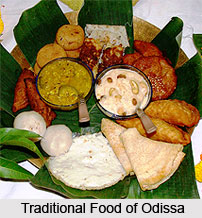 Cuisine of Odisha
Oriyas cuisine is similar to its neighbor states West Bengal and Assam. Most of the Oriyas are vegetarians with cuisines based on rice and vegetables like potatoes, cabbage etc. as their staples. A great variety of delicacies are prepared from fish. Oriya food is oil-free and has negligible fattening values. Oriyas are fond of sweets; Pancha-Phutana is cooked mixing Cumin, Mustard and Fennel. Pithas, desserts, too are savoured by the Oriyas. Recently, Odisha underwent an upsurge due to advancement in the fields of research, technology and industries. Yet, tradition and modernity can be seen existing side-by-side in the culture of Odisha. |
| |||



Culture of Odisha
| Culture of Odisha exhibits both traditional as well as modern elements. The state is well known for its various cultural elements including the Odissi dance and music, the Rath Yatra and much more. |
| ||||||||||||||||||||||||||||

