 Monism is a philosophical and metaphysical term signifying oneness or the absoluteness. The term Monad is a Greek word meaning single and without division and has its roots deeply associated in the Hellenic philosophical teachings of Pythagoras. The Monad was a symbol referred by the Greek philosophers as "The First", "The Seed", "The Essence" The Builder" and "The Foundation". Quite ideally therefore Monism stands as the symbol of oneness whilst illustrating the typical aura of complete absoluteness.
Monism can be divided into three types.
Substantial Monism-- One thing, which holds that there is one substance
Attributive Monism-One category, which holds there is only one kind of thing although there are different individual things or beings in this category.
Absolute Monism-It holds that there is only one substance and only one being and are seen as an idealistic type.
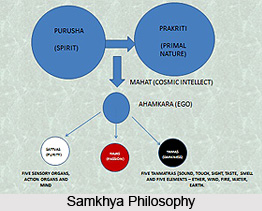
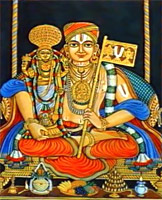
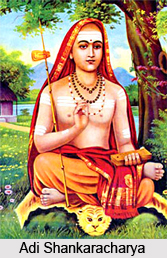
Other than this there is mentalistic monism, which holds that only mind is real. Neutral monism, which holds that mental and physical, can be reduced to a third substance or energy. Physicalism or materialism, which holds that only the physical is real and that the mental can be reduced to the physical. Pythagoras, Heraclitus, Thales Anaxagoras are pre Socrates philosophers who described reality as monistic. Monism also has a place in Hindu religion. In Hindu Vedas also the very concept of Monism or Advaita has made its presence felt to a great level. Hinduism has six different schools of philosophy Samkhya, Nyaya, Vaisheshika, Yoga, Purva-mimamsa and Uttara-mimasa(also called Vedanta).The most popular among these philosophies is Vedanta which is divided into following categories: Advaita(Monism) by Adi Shankara, Vishistadvaita(qualified monism)by Ramanujacharya ,Dvaita(Dualism)by Madhvacharya and Achintya Bhedabheda by Krishna Chaitanya. Advaita emphasizes oneness and that is why it is referred as a monistic or non-dualistic system. Advaitha is the best known of all Vedanta schools. The Vedantins debated whether the reality of Brahman was Saguna(with attributes)or nirguna(without attributes).Advaitha Vedanta firmly believes that the ultimate truth is nirguna Brahman while the Vishistadvaita and Dvaita schools believed in the saguna. The qualified monism from the school of Ramanuja or Vishishtadvaita believes that the universe is part of God but sees a plurality of souls and substances within this Supreme Being.
The collective growth in human intellect over many centuries born out of many experiences, has endorsed `scientific reason` as the most powerful tool for seeking knowledge. It demanded powerful, rational tradition in epistemology (knowledge based on truth) that could balance the objectiveness of scientific knowledge. Advaitha Vedanta alone could match this demand. Advaitha claims that the truth is concealed by the ignorance of illusion and the highest reality or Existence or Truth cannot be two but must be one. Out of ignorance we perceive this One Reality as many and this cosmic ignorance is called Maya. Advaita teaches that there is no individual self or soul (jiva) only the atman (all-soul). In fact the atman is potentially that Reality. There is no God who punishes for the wrongs and grants boons for the rights. To realize or experience this Truth is the aim of human birth