Canal irrigation in India is one of the principal methods used for improving the growth of the crops. After wells and tube wells, canal irrigation is the second most important irrigation source. However, this method is only extended to those areas that are large level plains of deep fertile soil and are drained by well distributed perennial rivers. That is why it is quite natural that canal irrigation procedure is only limited to the plain areas of northern India, valleys of Indian peninsular plateau, coastal lowlands etc.
Digging of canals is quite expensive in uneven rocky areas. Moreover, it is of limited use. Thus, huge lands in the Indian plateau are irrigated through other methods other than canals. Canals can be both perennial as well as non-perennial. Apart from these canals, there are several stream canals that are taken off from the rivers without the construction of the barrages. But, in such cases the beds of the inundation canals are generally at a higher level comparatively than those of the rivers, the canals get enough water supplies only when the river is in flood. As a result, the stream canals are of limited use.
Constant attempts have been made to replace the inundated canals by the perennial ones. In mitigating the miseries and sufferings of the farmers, canal irrigation works have gone a long way. Every village in India has a pond or tank for preserving the rain water. Monsoons have been really uncertain in the country. In those areas where potable ground water is not sufficient like for instance, the zones of Indian plateau, water is supplied from reserved dams. In the past, irrigation works were small sized but with the passage of time, larger canal irrigation projects have been made possible.
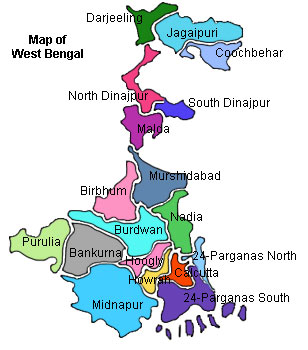
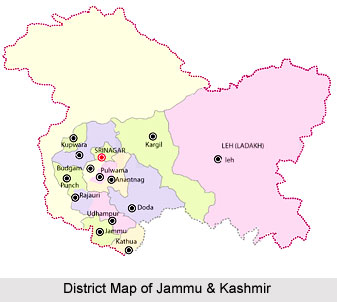
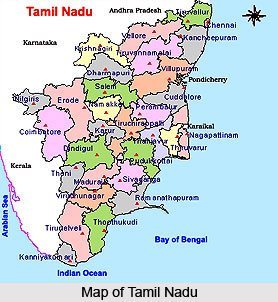
Water soaks into the ground under the bed of unlined canal. That is why with the irregular supplies of water, level of sub-soil water in the canal irrigated areas also rises. In some areas, where the perennial unlined canals flow at the ground level and between raised high banks, it is quite possible that the water might reach the surface and render the cultivable soil entirely waterlogged. In India, canal irrigation is important in various states like Assam, Jammu and Kashmir, Andhra Pradesh, West Bengal and Haryana. Interestingly, more than half of the total irrigated area particularly of these states is irrigated with the usage of canals. Apart from these states, there are several other states where canal irrigation holds significance. These are Bihar, Madhya Pradesh, Tamil Nadu, Karnataka, Punjab, Bihar and Uttar Pradesh. However, every year more and more cultivated land is being made useless in the canal irrigated areas.