The erstwhile Nawab of Bengal, Mir Qasim replaced his father in law, Mir Jafar and ruled for a period of 3 years from 1760 to 1763. The British Empire initially supported Mir Jafar for his claim to be a Nawab after his role in the Battle of Plassey and later they supported Mir Qasim as well.
Reign of Mir Qasim
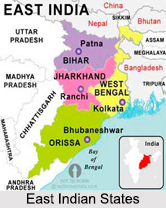
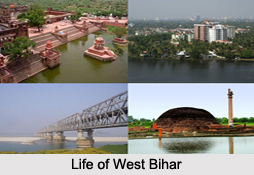
Upon ascending the throne, Mir Qasim repaid the British with lavish gifts. To please the British, he robbed people, confiscated lands, and reduced the royal treasury that was once created by Mir Jafar. However, soon Mir Qasim became tired of the British interference and like Mir Jafar before him, yearned to break free of the colonial influence. He shifted his capital from Murshidabad to Munger in present day Bihar where he raised independent army, financing them by streamlining tax collection.
He opposed the British East India Company`s position that their imperial Mughal licence meant that they could trade without paying taxes. Frustrated at the British refusal to pay these taxes, Mir Qasim abolished taxes on the local traders as well. This upset the advantage that the British traders had been enjoying so far, and hostilities built up. Mir Qasim overran the Company offices in Patna in 1763, killing several Europeans including the Resident. Mir Qasim allied with Shuja-ud-Daula of Awadh and Shah Alam II, the itinerant Mughal emperor, who were also threatened by the British. However, their combined forces were defeated in the Battle of Buxar in 1764.
Mir Qasim had also attacked Nepal during the reign of Prithvi Narayan Shah, the King of Nepal. He was badly defeated as the Nepali soldiers had various advantages including terrain, climate and good leadership.
The short campaign of Mir Qasim was significant as a direct fight against British outsiders. Unlike Siraj-ud-Daulah before him, Mir Qasim was an effective and popular ruler. The success at Buxar established the British East India company as a powerful force in the province of Bengal in a much more real sense than the Battle of Plassey seven years earlier and the Battle of Bedara 5 years earlier. By 1793 British East India company abolished Nizamat (Mughal suzerainty) and were completely in charge of this former Mughal province.
Mir Qasim was defeated by during the Battle of Murshidabad, Battle of Gherain and the Battle of Udhwa nala. Mir Qasim died in obscurity and abject poverty possibly from dropsy, at Kotwal, near Delhi on 8 May 1777.