Kathakali Literature
|
Kathakali Literature is full of classical and ornate descriptions. Kathakali Literature has a vast repertoire.
|
|
|
 Kathakali literature is of supreme dramatic and literary excellence. This Indian classical dance is considered to be a harmonious blend of Sahityam (literature), Sangeetam (music), Chitram (painting), Nrityam (dance) and Natyam (acting). Kathakali literature is basically written in mixed verse and quasi-prose style known as Manipravala. This style follows a melodious, well balanced and a mixture of Sanskrit and Malayalam languages. The dialogues are in song form and the intermediate incidents between scenes are in verses. The dialogues are invariably in Malayalam language but the verses are in a mixture of Sanskrit and Malayalam. The verse or sloka as it is called introduces the actors to the scene. The verse as a rule close with the words, "And so they spoke", and immediately behind the curtain the actors appear. The curtain or the Thirassila holders have to raise or lower the curtain according to the tempo of the dance of the actors. The silk curtain is five feet long, four feet broad and of a single colour and bears usually the emblem of a lotus or the representation of Lord Shiva or Lord Vishnu. Kathakali literature is of supreme dramatic and literary excellence. This Indian classical dance is considered to be a harmonious blend of Sahityam (literature), Sangeetam (music), Chitram (painting), Nrityam (dance) and Natyam (acting). Kathakali literature is basically written in mixed verse and quasi-prose style known as Manipravala. This style follows a melodious, well balanced and a mixture of Sanskrit and Malayalam languages. The dialogues are in song form and the intermediate incidents between scenes are in verses. The dialogues are invariably in Malayalam language but the verses are in a mixture of Sanskrit and Malayalam. The verse or sloka as it is called introduces the actors to the scene. The verse as a rule close with the words, "And so they spoke", and immediately behind the curtain the actors appear. The curtain or the Thirassila holders have to raise or lower the curtain according to the tempo of the dance of the actors. The silk curtain is five feet long, four feet broad and of a single colour and bears usually the emblem of a lotus or the representation of Lord Shiva or Lord Vishnu.
The Kathakali literature has as its rich background an enormous amount of labour and research in the realms of art, literature and music. The religious devotion to the art, the impersonal participation in it, a lofty craftsmanship in the governance of the tools, the rhythm and emotion are the distinguishing features of this classical dance-drama which draws vital inspiration from the stories of the Indian Puranas. The lyrical sublimity and epic grandeur of the Kathakali are unique. Rhythm, harmony and cadence, the primary requisites of dance are in evidence in the Kathakali. Kathakali comprises a mixture of the various types of religious, folk, artistic and martial dances prevalent in Malabar from very ancient times.
The eight plays composed by the Raja of Kottarakkara, some six hundred years ago are not nowadays put to large used by Kathakaliactors, as it is considered that the plays are out of date both in respect of their literary merit and adaptability to dance. Though the plays by the Raja of Kottayam, written about four hundred and fifty years back, are of considerable literary merit, they also do not find favour with the public at present.
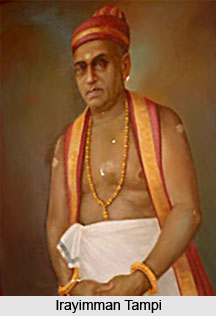
Towards the close of the 17th century there flourished Unnaayi Varier who composed four plays on the story of Nala. Superb in literary excellence, dignified in diction, and difficult to act his plays broke convention and became easily the most popular. The twelve compositions by H.H Kartika Thirunal and H.H Aswati Thirunal who flourished towards the close of the 19th century are also popular. Irayimman Tampi, court poet of H.H Swati Thirunal wrote three plays which are of first ranking and are most often performed.
|
|
|
|





