 Ethics has been the corner-stone of Buddhism. Even in the Philosophy of Action ethics finds an important position. As sin leads to hell and the performance of forbidden acts binds one in the chain of birth and death, so one must lead an honest and virtuous life. But if anyone acts as a fool, if one accuses the innocents, if one indulges in sinful acts, he will have to bear the bitter consequences.
An important philosophy with regard to ethics is that a person who is able to distinguish rightly between right and wrong and follows the true doctrines of life is able to reach a happy state. It has been declared that there are many people who imagine real within the unreal and take the real as unreal; Lord Buddha had said that in such a situation a person is engulfed by vain desires. As a result an individual captured by vain desires is never able to arrive at the real meaning of life. It has been clearly emphasised that an individual should never follow the evil path and the false doctrines. He should lead his life attentively and should adhere to a virtuous life because in virtuous life lies real happiness. The Lord has claimed that a virtuous man leads a happy life not only in this world but also in the after world. Rather it can be said that such a man is worthy of bliss both in heaven as well as in hell.
An important tenet of Ethics in Dhammapada is that it may be very easy to lead a selfish and mean life but on the contrary to lead a modest life and perform deeds which are beneficial and good for oneself as well as for the society is much difficult. Dhammapada has said that only a foolish person asks for more reputation, honour and lordship but the one who has come to know the sublime truth is never desirous of all these transitory things and seeks more and more to dedicate him in the path of virtue. It has also been said that if an individual inflicts punishment to an innocent even he is periled harshly. Such a person may be troubled by acute pain, injury of the body, severe illness or loss of mind. He may also be subject to other grievous losses.
The philosophy of Dhammapada believes that an individual who is unrestrained and is easily affected by greed and wickedness is subject to long suffering. On the other hand a person who leads a restrained life and is able to administer his passions in a proper manner is worthy of a happy state of life.
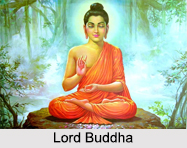
With regard to evil deeds or forbidden acts Lord Buddha had said that it includes the act of saying lies and denial of ones fault. Both these persons are equal in the eyes of the Ruler and both of them are not worthy of happiness even in the next world.
Finally the chapter on Ethics has closed saying that people who do not lead a virtuous and upright life not only are subjected to long sufferings but also they are captivated under the cycles of birth and death. Rather it can be said that unless an individual incorporates ethics into his life he will not be able to attain Nirvana or salvation.