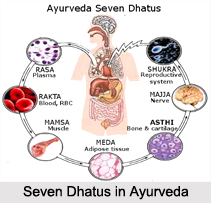
 Doshas in Ayurveda provides a vital connection between the seven dhatus in Ayurveda (or the deep internal structures of the body) and the gastrointestinal tract. The dhatus comprise the dense, solid structures that do not leave the body whereas the malas are the natural by-products or wastes of metabolism, which can be removed from their site of origin and expelled from the body. Ayurveda defines that in the case of the doshas, they are neither retained nor eliminated and have the unique ability to travel throughout the body. Semi-solid particles and fluids are constantly carried back and forth between the body`s hollow structures and its deeper and denser structures through the predictable and regular activity of the doshas. They transport nutritive substances from the gastrointestinal tract to the organs and tissues. They also carry unsuitable or any type of damaging substances away from the dhatus and back to the gastrointestinal tract for elimination.
Each dosha dominates the body twice in every twenty-four hours cycle and that too in perfect coordination with the bhutas`s cycle of dominance in the environment. For instance, when people talk too much they get thirsty. It is because the movement of air through the mouth exhausts kapha`s watery secretions. This example proves that the doshas are the components that flow back and forth, transporting fluid between the gastrointestinal tract and the dhatus. The dhatus can`t perform this function because they don`t leave their own sites or their own shrotas. The doshas constitute the functional intelligences that maintain the body`s equilibrium and sustain it by taking nutrition to the dhatus and taking away the malas.
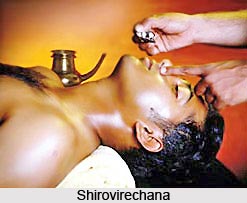
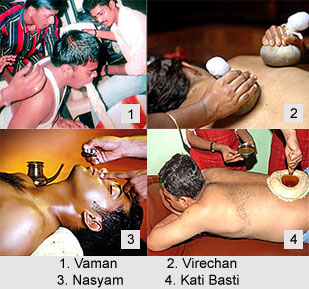
Moreover, each dosha depends on vata for the movement. Dosha gati in shodhana therapy signify the role of every particular dosha. Panchakarma utilizes two main procedures to remove the excess kapha related aama from the body. Nasya, the inhalation of medicated substances, eliminates toxic congestion in the perinasal sinuses. Vamana, which means therapeutic emesis or vomiting, removes toxic congestion from the stomach. Shodhana therapy generally employs these treatments early in the morning when excess kapha is available in the gastrointestinal tract for elimination.
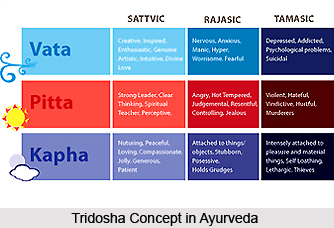
Panchakarma uses the procedure of virechana or purgation during the pitta period, when the processes of digestion, assimilation and transformation are at their peak. At this time, signs of abnormal pitta function are evident clearly. During this peak time, virechana is used to remove this toxicity from the intestines. Again, in the late afternoon, vata takes precedence and generates more activity in the body. At this time, shodhana therapy uses basti to pacify hyperactive vata and eliminate the toxins associated with abnormal vata function. Vata dosha initiates and drives all physiological movement. Ayurveda describes it as the master player in all the body`s processes.
Dosha gati in shodhana therapy is considered as really significant. Dosha gati moves the aama, along with other essential nutrients, to the dhatus where it lodges and eventually manifests as acute or chronic disease symptoms. The doshas have the capacity to transmit to convey aama to the tissues as well as conduct it out of the tissues for disposal.
This article is a stub. You can enrich by adding more information to it. Send your Write Up to content@indianetzone.com