
Printing and dyeing works in Rajasthan has earned immense fame in the past decades. Khadi or chamki work as it is popularly called enhances the glamour of the fabrics, even the plainest textile.
Khadi or Chamki work, also known as Tinsel Printing, has been a long tradition in Rajasthan and this manner of decorating textiles was extensively applied to the costume of royalty and the articles they used. Though practised all over Rajasthan, Jaipur, Jodhpur, Barmer, Ajmer and Udaipur are the most popular centres for their elegant khadi prints. It is fascinating to watch the designer making exquisite patterns on wedding odhnis, saris and turbans with magnificent deftness and speed. Previously, artisans of Rajasthan used gold or silver dust for Tinsel printing. This was lately replaced by flakes of crushed mica, or cheaper metal powders, called bodal. Nowadays, granular and fine metallic powders, in different colours on a gold or silver base, are widely used for this kind of printing.
Khadi work is primarily done on garments that are worn for ceremonial purposes. It is also created on garments like the kanchli, ghaghra, angarkha, jama, odhna and turban cloth. A special bridal chunri called phavri or phamri is an essential part of the Rajasthani bride`s trousseau and is worn on festivals like Gangaur and Teej. This wedding chunri is usually red in colour and has a special design called khaja, printed in its centre. This ancient tradition of ornamenting cloth in Rajasthan makes use of a special engraved brass block called a sancha, one end of which possesses a design or motif pierced on it. The sancha is coupled with a matching carved wooden datta, which fits its borders, exactly. The two blocks are used together to stamp designs on to the cloth. The sancha comes in a variety of shapes, such as round, oblong, square and rectangular.
The brass block or sancha is filled with rogan, which is a thick viscous paste that the craftsman can either prepare himself or buy the readymade product locally. This mixture is heated briefly before it is poured into the sancha. The wooden data is then inserted into the sancha and with a syringe like action is pressed out through its perforated end. The paste is then stamped on to the evenly spread cloth. The stamping action is rapid but firm to allow the paste to form an adhesive film on the fabric. Before it dries, gold or silver powder is sprinkled on the fabric, which settles on the printed design and is fairly permanent. Excess powder is thus collected and reused.
The procedure of Khadi or Chamki work is repeated till the whole cloth is printed over and the fabric is then dried. The most common motifs, used in khadi printing, are the phul, mogra, chandani, buti, mor, keri and khaja. The ground fabric can be of any colour and does not have to be washed earlier as in other printing techniques. This technique of printing has gained immense popularity with time.
Khadi or Chamki Work
Khadi or Chamki work, also known as Tinsel printing brings glamour to Rajasthani textiles.
Recently updated articles in Costumes in India
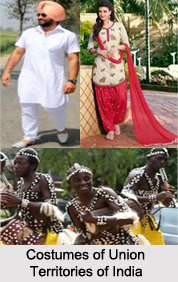
Costumes of Union Territories of India
Costumes of the Union Territories are as different as their culture. These eight union territories are equally vibrant in their dressing as compared t...

Costumes of Delhi
Costumes of Delhi embody the rich cultural heritage of the city while showcasing a unique fusion of traditional elements and modern trends. From the p...

Traditional Dresses of Odisha
Traditional Dresses of Odisha reflects the unique culture of the state. Odisha has an ancient culture and popular for classical dance. It is also home...
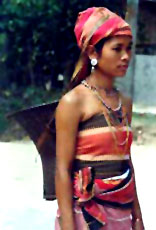
Traditional Dresses of Tripura
Traditional Dresses of Tripura have their own traditional ethnicity. The traditional costumes of Tripura, such as Risa, Rignai, and Rikutu Gamcha, ref...
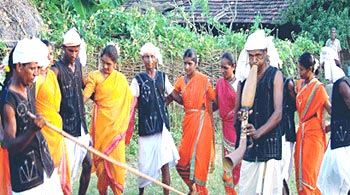
Traditional Dresses of Dadra and Nagar Haveli
The traditional dresses of Dadra and Nagar Haveli reflect the region’s tribal heritage. Women often wear saris, chaniyas (skirts) with blouses, or dra...
Related articles in Costumes in India
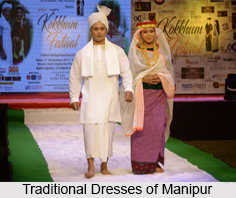
Traditional Dresses of Manipur
Traditional Dresses of Manipur are simple and easy to wear. The patterns and designs on the costumes are very unique and colourful. Manipuris are sett...
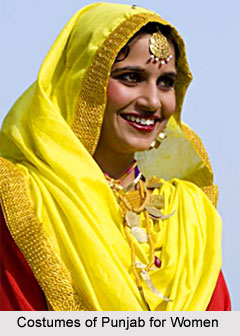
Costumes of Punjab
Costumes of Punjab breathe vibrancy. Tradition marks the dress of the women:; colourful Salwar Kameez while Kurta-Pyjama or Lungi is worn by men.
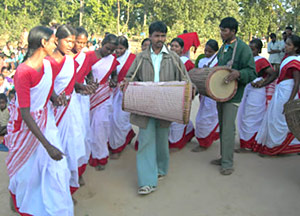
Traditional Dresses of Jharkhand
Traditional Dresses of Jharkhand embody the simplicity and elegance of its inhabitants. From the one-piece Bhagwan worn by men to the sarees and Tussa...
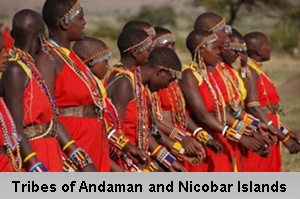
Costumes of Andaman and Nicobar Islands
The costumes of Andaman and Nicobar Islands showcase a fascinating blend of indigenous tribal traditions and influences from modern settlers. While th...
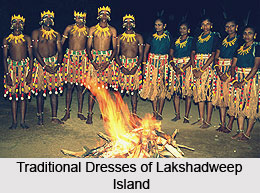
Costumes of Lakshadweep
Costumes of Lakshadweep reflect a blend of tradition and cultural identity. Women typically wear the Kachi with a Thattam and embroidered jacket, whil...