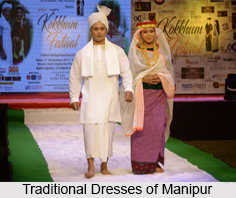
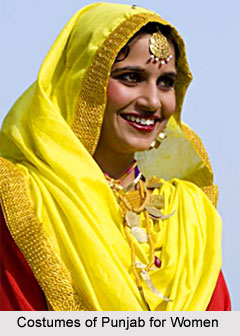
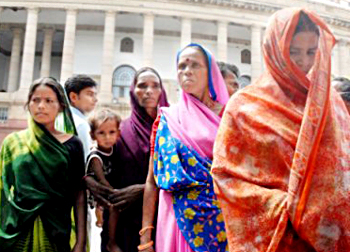
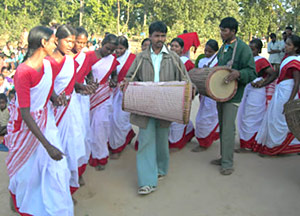
 Indian sarees are categorized according to occasion, festival depending on the intensity of the event. Indian beauty is best displayed in a saree and the Indian traditions allow embellishing the women with a saree along with suitable ornaments.
According to several occasion, the choice of saree changes with a variation of fabric and designs. The designs and the fabrics depend on the occasion. For instance the wedding sarees are intricately designed with zari and flakes of gold and silver. The ideal saree for an Indian bride is Banrasi saree that is admired for the intricate motifs and the fine fabrics. Indian brides wear basically red Banarasi sarees though according to the modern choice Banarasi sarees of different colours are worn by the brides.
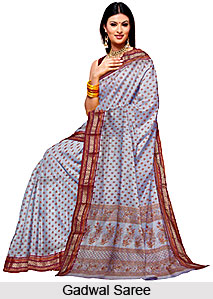
Wedding in India is not only about the bride and the groom. It involves a latge number of people. Hence, apart from the bride, the people who are invited in the occasion prefer to wear silk based sarees. Among the traditional sarees that are worn during such occasions, Chettinad sarees, Gadwal sarees, Kanjeevaram sarees, Konrad sarees, Mysore silk sarees, Pochampally sarees, Chanderi sarees, Paithani sarees, Patola sarees have secured place in the list of preference of the Indian women. On occasions like `shradh` or funeral ceremony, sarees of light colour and simple design or no decoration are worn. During `annaprashan`, birthdays, `grihapravesh` and other social gatherings or occasions the women deck themselves up in sarees of vibrant colours, though the gaudiness of the sarees varies with the occasion. Tussar sarees are worn by the widow women of India in several occasions as well.
The Indian sarees are designed differently in different region and the artisans amalgamate the designs with traditional motifs to add a tint of creativity. The artisans of different region create different sarees and each region display an individuality of their own in the use of fabrics and designs. In the eastern region `tant`, Jamdani sarees, Khadi sarees, embroidered sarees, Gorad sarees, Tangail sarees along with dexterously designed chiffon georgette sarees and zardousi sarees etc are created. South India is known for creating Chettinad Sarees, Gadwal sarees, Kanjeevaram sarees, Konrad sarees, Mysore silk sarees and Pochampally sarees etc. The women of this region wear these types of sarees extensively in several occasions including marriages. The sarees of West India manifests the designs of Chanderi temples in the famous sarees of this region, Chanderi sarees. This particular saree is identified for the usage of quality gold thread. Sometimes to give the sarees an additional charm and quality, gold checks with lotus roundels all over which are known as `butis``. The `kosa` saree of the western region, are known for the natural shine and exclusivity of the fibre. Including these sarees, West India is the abode of Paithani sarees which derive the patterns and motifs from Ajanta Caves including peacock, lotus, and mango motifs with intricate designs in the endpiece and the border of the saree. These sarees are famous among the women and are worn in several regional occasions.
The Indians wear sarees in different occasions that varies from the regional to the family gatherings. The Indian sarees have attained the popularity in all over India and the expansion of these sarees has extended to the international market for the intricacy of designs and fabrics. In recent times, the artisans have developed their skills in designing and have started creating a new style by creating fusion of traditional and contemporary designs.