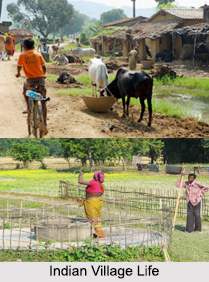
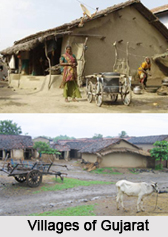
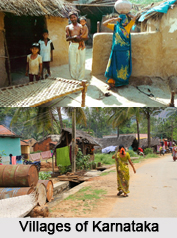
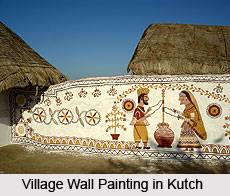
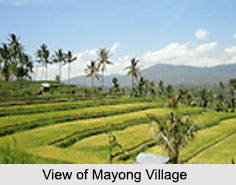
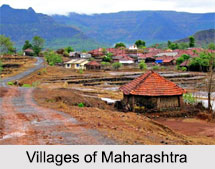
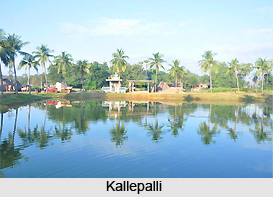
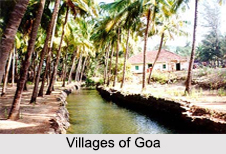
 Villages of Goa are famous for their simplicity and colourful lifestyle that present a picturesque view. The wonderful scenic beauty of the villages attracts numerous tourists every year. The villages of Goa are located into these two districts and can be classified as the villages of North Goa district and villages of South Goa district. The majority of its population lives in the villages.
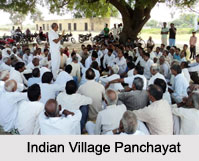
People belonging to different religions live together in the villages of Goa. A majority of the rural population of Goa is Hindus and the Christians are the second major religious community. Apart from these, the other prominent religious communities residing in the villages of Goa include the Muslims, Buddhists, Jains, Sikhs, etc. There are only two percent scheduled castes living in Goan villages.
Education in Villages of Goa
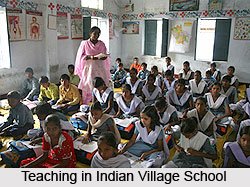
The literacy rate in the villages of Goa is also quite high. The young children in the villages go to school regularly and they have the scope of pursuing higher education, as there are many colleges and universities established in Goa. The temples and churches play a major role in providing moral education to the villagers.
Occupation in Villages of Goa
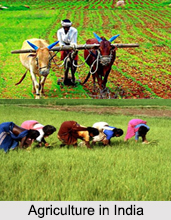
Agriculture is the main occupation in most of the villages of Goa. Like most villages in other parts of India, the villagers in Goa also depend largely on agriculture.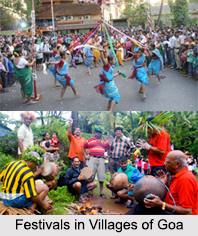 They mostly cultivate crops like long-length bananas, paddy, ragi, maize, jowar, bajra, pulses, the cash crops like coconut, cashew nut, areca nut, mango, jackfruit, pineapple, etc. However, one of the most important crops cultivated in the villages of Goa is cashew. Apart from all these, the Goan villagers also cultivate a variety of mangoes including mancurade, mussarade, fernandine, xavier, alfonsa, colaco, etc.
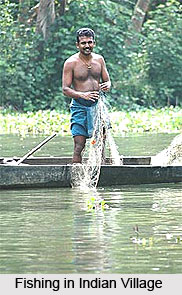
Tourism is another principal occupation of people in the villages of Goa. They work as tourist guides, or run their own businesses in the beaches and they are also engaged in providing lodging facilities to the tourists. Another major occupation of the Goan villagers is fishing. A majority of the people in the sea-side villages earn their livelihoods from fishing and related activities.
Festivals in Villages of Goa
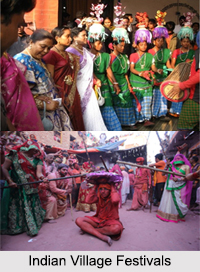
The villages of Goa are famous all over the country for their extraordinary ways of celebrating different fairs and festivals. Festivals have always been an integral part of village life in Goa. They consider these festivals as great platforms for social interaction and enjoyment. The festivals in the villages of Goa can be classified according to different religions like the Hindu festivals, the Muslim festivals, the Christian festivals, etc. Apart from the Hindu and Muslim festivals, there are several Christian festivals that are widely celebrated in the villages of Goa. Some of the most famous Christian festivals in Goa include the Christmas, Sao Jao Festival, Bonderam, Feast of the Three Kings, Feast of Our Lady of Candelaria, Procession of All Saints of the Franciscan Third Order, Feast of Jesus Nazareth, Feast of Our Lady of Miracles, Festival of Novidades, Fama de Menino Jesus, Feast of Our Lady of Rosary, Feast of St. Fiancis Xavier, Feast of Our Lady of Immaculate Conception, etc. Besides the religious festivals, other festivals celebrated in the villages of Goa include Mardi Grass, Shigmotsav or Shigmo, Kalas Utsav, Novidade, Zatra of Shri Shantadurga, Goa Carnival, etc. The Goa Carnivals reflect the real spirit of rural Goa, as the villages come alive with a riot of colours, processions, feasts and song and dance extravaganzas.
Villages of Goa are the lands of harmony, amenability and peacefulness. The villagers love to live together and preserve their ancient tradition and culture.