 One of the major health disorders found among people all over the world, Diabetes Mellitus or Madhumeha is a faulty condition of the carbohydrate metabolism. There are three primary types of diabetes namely the Type 1 Diabetes, Type 2 Diabetes and Gestational Diabetes. All the three types of diabetes are caused due to different reasons, show different signs and symptoms and also require different treatment methods. Apart from these three types, there are also a few other types of Diabetes that are not found commonly but can cause severe damage to the patient`s health.
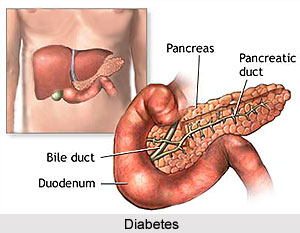
The Type 1 Diabetes is one of the most prominent types of Diabetes Mellitus or Madhumeha. This is actually an autoimmune disease that occurs when the body`s immune system turns against a part of the body. Usually in this type of diabetes, the immune system attacks the insulin-producing beta cells in the pancreas and gradually destroys them. As a result, the pancreas produces little or no insulin and to live, a person affected with Type 1 diabetes has to take insulin daily. The exact cause of the body`s immune system attacking the beta cells is still not identified properly. However, the scientists believe that autoimmune, genetic, and environmental factors, possibly viruses are involved in development of Type 1 Diabetes. Though it can appear at any age, the Type 1 diabetes is most frequently found in children and young adults. The symptoms of Type 1 Diabetes are usually seen within a short period and the most common symptoms include increased thirst and urination, constant hunger, weight loss, blurred vision, extreme fatigue, etc. This type of diabetes may lead a person to a life-threatening diabetic coma, known as diabetic ketoacidosis, if not diagnosed and treated with insulin.
The second major type of Diabetes Mellitus or Madhumeha is the Type 2 Diabetes. This is considered the most common types of diabetes and it comprises about 90 to 95 percent of all diabetes cases. In most cases, the Type 2 Diabetes is associated with older age, obesity, family history of diabetes, previous history of gestational diabetes, physical inactivity, ethnicity, etc. In case of Type 2 Diabetes, the pancreas usually produces enough insulin, but the body fails to use the insulin effectively for unknown reasons. This condition is called insulin resistance. As a consequence of this condition, the insulin production of pancreas decreases after several years.
In case of Type 2 Diabetes, the glucose level increases in the blood and the body cannot make efficient use of its main source of fuel, just like the Type 1 Diabetes. One can trace the symptoms of Type 2 diabetes gradually and their onset is not as sudden as in Type 1 diabetes. The most common symptoms of Type 2 Diabetes include fatigue or nausea, frequent urination, unusual thirst, weight loss, blurred vision, frequent infections, slow healing of wounds or sores, etc. However, some people suffering from this type of diabetes may not have any symptoms at all.
The third type of Diabetes Mellitus or Madhumeha is known as Gestational Diabetes. This type of diabetes usually develops during pregnancy and it occurs mostly among women, who have a family history of diabetes. The women, who had suffered from gestational diabetes at some point in their life, usually have a 20 to 50 percent higher chance of developing type 2 diabetes within 5 to 10 years, compared to others. The Gestational Diabetes can be diagnosed in pregnant women through an oral glucose tolerance test. The risk factors involved in this type of diabetes include a family history of diabetes, increasing maternal age, obesity, being a member of a community or ethnic group with a high risk of developing type 2 diabetes, etc. Though, the carbohydrate intolerance in patients with Gestational Diabetes usually returns to normalcy after the birth, the mother has a significant risk of developing permanent diabetes. The baby also has a higher risk of developing obesity and impaired glucose tolerance or diabetes later in life. Self-care and dietary changes are an integral part of treatment of Gestational Diabetes.
Apart from the above mentioned three types of Diabetes Mellitus or Madhumeha, there are also a few other types of diabetes that can be found among people. These types usually have specific causes of development and hence, fall into separate categories known as diabetes due to a specific cause. These types of Diabetes Mellitus or Madhumeha include the malnutrition related diabetes, the diabetes due to hormonal imbalances, the pancreas related diabetes, the liver related diabetes, the diabetes due to external factors, etc. However, most types of Diabetes Mellitus or Madhumeha can easily be treated with the alternative medicinal methods like Ayurveda, Homoeopathy, Naturopathy, etc.