 The Shoolpaneshwar Wildlife Sanctuary is located about 125 km away from Vadodara, in the western Indian state of Gujarat. The sanctuary is spread over an area of 608 sq. km. and is home to several flora and fauna species. The sanctuary was first established in the year 1982, as Dumkhal Sanctuary, with an area of 150.87 sq. km. However, the area of the sanctuary was enlarged to 607.71 sq. km. in 1987 and 1989, and it was eventually renamed as Shoolpaneshwar Wildlife Sanctuary. It is quite famous for its richness in floral collection. The sanctuary stretches for miles along the salty water reserve of the state and also makes for a veritable heaven for Gujarat`s diverse wildlife that needs protection.
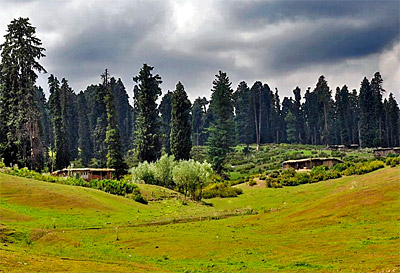
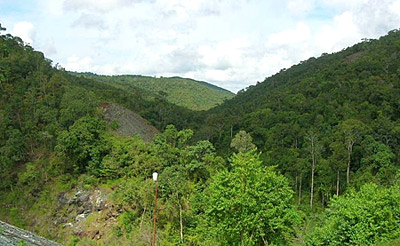
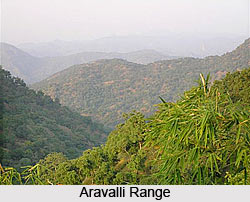
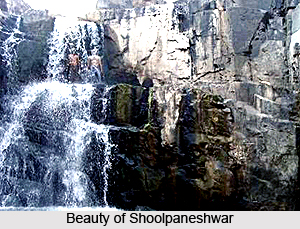
The Shoolpaneshwar Wildlife Sanctuary makes for a peaceful abode for birds and animals. The mammal fauna species like Leopard, Hyena, Wild Sloth Bear, etc. are some of the main attractions in the sanctuary. It is a vast, undulating terrain, with ever-pervading greenery and tall inspiring canopy. The sanctuary has deep grand valleys, somberly silent rocks, gentle youthful streams and also some majestic waterfalls. The breathtaking landscapes of the sanctuary culminate at the congregation of Vindhya-Satpura hill ranges. The physical aspect of the sanctuary is dominated by the Rajpipla hills. The highest peak in the eastern portion of the area, DhamanMal, has an altitude of about 882 m. Natural vegetation in the sanctuary is quite rich with several forest types. The main forest types found in the sanctuary include the moist teak forest, moist mixed deciduous forest, dry deciduous scrub, dry bamboo brakes and dry tropical riverine forest, etc.
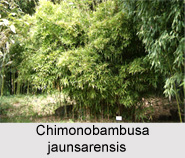
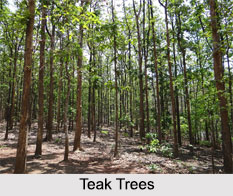
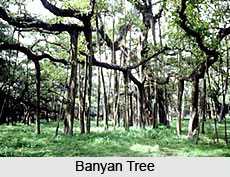
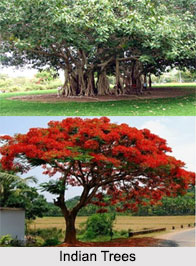
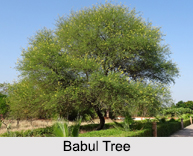
The forests of the Shoolpaneshwar Wildlife Sanctuary are considered as some of the best and densest in the State and are well known for their richness of biodiversity. The moist deciduous forests have very high scenic and aesthetic values and the flora of the ecosystem represents remnants of semi-evergreen to moist deciduous forest. A major portion of natural vegetation in the sanctuary is modified due to influence of the biotic pressure and forestry operations. All the forest types in the sanctuary merge into each other imperceptibly. The predominant plant species in the sanctuary is Teak, however; patches of pure bamboo dominate the western and north-western parts.
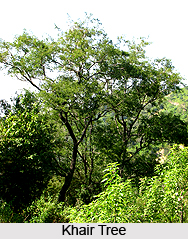
Apart from pure bamboo, the western and north-western parts of the Shoolpaneshwar Wildlife Sanctuary are also dominated by some other plant species. These species include Haldu, Sadad, Amla, Khair, Harde, Amaltas, Mahuda, Tanach, Bor, Timru, Aritha, Karanj, Bamboo, etc. About 575 species of flowering plants have also been found in the Sanctuary. The thick vegetative ground cover in the sanctuary provides endless greenery and home to a variety of life forms. It also conserves the soil and water. The sanctuary`s climate usually remains comfortable throughout the year. However, the months of October to March are considered the best time for visiting the sanctuary, as the climatic condition remains at its best during this period.
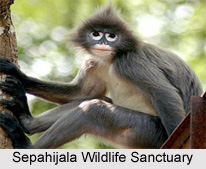
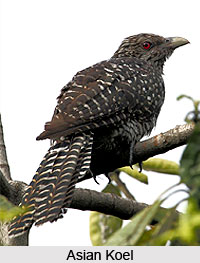
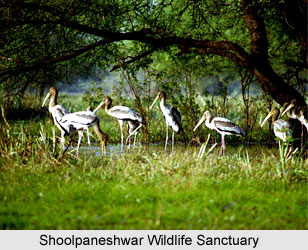
The faunal composition of the Shoolpaneshwar Wildlife Sanctuary is rich with a variety of mammal, reptile and bird species. The Sloth Bear found in the sanctuary with its typical auburn shaggy fur is an important member of the fauna family. The other mammal species, named Rhesus Monkey, which is considered as ancestors of the human race, are also found in abundance here. The other important and notable mammal fauna species found in the sanctuary include Barking Deer (also called Muntjac), Leopards, Sambhars, Wild Dogs, Hyenas, Large flying Squirrel, etc. Apart from the mammal fauna species, many important bird species are also found in the Shoolpaneshwar Wildlife Sanctuary.
The Shoolpaneshwar Wildlife Sanctuary is quite famous as a favourite tourist destination in Gujarat. The extraordinary scenic beauty and picturesque surroundings of the sanctuary attract several tourists from different parts of India and also from around the world, on a regular basis. The sanctuary is contributing to the tourism sector of the state largely, in this way.