


 Glaucoma is a disease characterised by elevated intraocular pressure, or IOP, which results in damage to the optic nerve. The causes of glaucoma differ for each type of glaucoma. Awareness of the different causes and risk factors for glaucoma may help one to identify the condition early on, as timely diagnosis of glaucoma is vital to prevent vision loss. The sections below contain information about the causes of various types of glaucoma. Glaucoma is a disease characterised by elevated intraocular pressure, or IOP, which results in damage to the optic nerve. The causes of glaucoma differ for each type of glaucoma. Awareness of the different causes and risk factors for glaucoma may help one to identify the condition early on, as timely diagnosis of glaucoma is vital to prevent vision loss. The sections below contain information about the causes of various types of glaucoma.
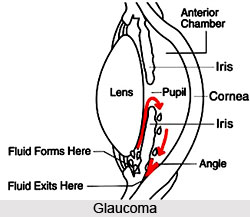
The most common form of glaucoma is open-angle glaucoma. Causes of Open-Angle Glaucoma include aging, genes, nitric oxide deficiencies, nutritional deficiencies and brain chemical abnormalities. The aging process reduces the size of the eye's drainage angle, resulting in increased intraocular pressure. Several genetic factors can contribute to glaucoma. Mutations in the GLC1A gene cause it to overproduce a substance that clogs the angle where fluid drains from the eye. In addition, the LMX1B gene is believed to cause some cases of glaucoma. Low levels of nitric oxide contribute to unhealthy blood vessels, which in turn elevate intraocular pressure. Lack of nutrition may cause damage to optic nerve fibers. Large amounts of glutamate (a neurotransmitter) can contribute to the destruction of nerve fibers within the eye. Open-angle glaucoma does not typically show symptoms in its early stages. However, eventually the patient will begin to lose his or her peripheral vision. Closed-angle glaucoma, a rare form of the disease and is caused by a structural defect within the eye that creates a narrow angle between the iris and cornea. If the iris slips forward, it may block the fluid drainage angle.  This condition can be generated by medications that dilate the pupil, such as antihistamines and tricyclic antidepressants. It can also occur naturally, when the eye dilates in low light. People who suffer from hyperopia (farsightedness) are at a heightened risk for acute closed-angle glaucoma because their eyes have narrow drainage angles. Closed-angle glaucoma displays symptoms of severe eye pain, indistinct or haloed vision, nausea, vomiting, and headache. This condition can be generated by medications that dilate the pupil, such as antihistamines and tricyclic antidepressants. It can also occur naturally, when the eye dilates in low light. People who suffer from hyperopia (farsightedness) are at a heightened risk for acute closed-angle glaucoma because their eyes have narrow drainage angles. Closed-angle glaucoma displays symptoms of severe eye pain, indistinct or haloed vision, nausea, vomiting, and headache.
Normal-Tension Glaucoma is caused by elevated IOP that later causes optic nerve damage. The reactions of such optic disease are reduced blood flow, early nerve cell death, nerve irritation and excess glutamate production. Normal-tension glaucoma may result in a loss of peripheral vision. Congenital glaucoma is present at or near the time of birth. Characteristic causes of congenital glaucoma include genetic defects in the drainage canal or other existing eye conditions. Approximately 85 percent of congenital glaucoma cases can be accredited to an inherited genetic imperfection. Congenital glaucoma is referred to as infantile when it is present within the first three years of life and juvenile if it occurs after three years of age. Studies have shown that congenital glaucoma affects children more often than females. Congenital glaucoma occurs in both eyes. Congenital glaucoma can be difficult to recognise because children often have trouble discriminating the symptoms. Secondary glaucoma is associated with a previous illness, damage, or disease. There are many secondary causes of glaucoma, like developmental glaucoma, as in neurofibromatosis, presence of ocular disease, systemic diseases and drugs, inflammation, trauma and ocular surgery like aphakic glaucoma and aqueous misdirection. Causes of Glaucoma should be diagnosed properly in order to select the particular path of treatment that leads to healing. |
| |||



Home > Health > Naturopathy > Nature Cure Treatments > Eye Disorders > Glaucoma > Causes of Glaucoma
Causes of Glaucoma
| Common causes of glaucoma include ageing factor, genes, nutritional deficiency, mental abnormability and so on. |
| ||||||||||||||||||||||||||||

