


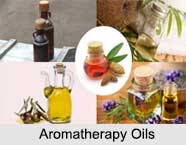
 Aromatherapy oils are the aromatic and volatile constituents found in plants. They are also known as ‘Essential Oils’ which are used to strengthen the self-healing processes by preventative methods and indirect stimulation of the immune system. Aromatherapy oils are the aromatic and volatile constituents found in plants. They are also known as ‘Essential Oils’ which are used to strengthen the self-healing processes by preventative methods and indirect stimulation of the immune system.
Effects of Aromatherapy Oils Aromatherapy oils perform a wide range of benefits that include deep and penetrating therapeutic actions to the extreme subtlety of inimitable fragrance. These essential oils can be used to enhance health as well as the quality of life. In other words Aromatherapy oil is the inhalation and application of volatile essential oils from aromatic plants to restore or enhance health, beauty and well-being. Essential oils interact with the body in multiple ways and affect the individual in many ways. The absorption can be through the skin layer. The aromatherapy oil penetrates in the epithelial tissues; these include the skin, nasal passages, bronchioles, lungs and gastro-intestinal tract. Properties of Aromatherapy Oils Aromatherapy oils are delicate, volatile liquids that are used by distillation, expression and solvent extraction. The aromatherapy oils take in the essence of all the active properties of the plant and are considered to be the soothing agents. Chemically, essential oils are made up of alcohols, aldehydes, ketones, phenols, terpenes, sesquiterpenes, ethers and esters. Aromatherapy Oil Families and Characteristics Aromatherapy Essential oils are the constituents that contain the essence of all the active properties of that plant. The families and characteristics of Aromatherapy Oils are determined by the plant family to which the oil belongs. The oil characteristics follow the common properties representative of their plant families. Aromatherapy oils combine over 150 isolated chemical ingredients. The excellent Chemical Composition of Aromatherapy Oils gives various effects on the body. Moreover, the essential oil can have different therapeutic properties also. Aromatherapy oils that are high in alcohols include Rose, Petitgrain, Rosewood, Peppermint, Tea Tree, Sandalwood, Patchouli and Ginger. Furthermore,  Aromatherapy oils are mixed with one another varieties that provide magnificent essence. There are ten Blending of Aromatherapy Oils that can be done. The mixes of oils that can be blended include Bergamot, Lavender, Chamomile, Neroli, Frankincense, Rose, Geranium, Sandalwood, Ylang Ylang and Jasmine. The men’s oil includes Basil, Bergamot, Eucalyptus, Frankincense, Jasmine, Lavender, Lemon, Patchouli, Pine and Sandalwood. Aromatherapy oils are mixed with one another varieties that provide magnificent essence. There are ten Blending of Aromatherapy Oils that can be done. The mixes of oils that can be blended include Bergamot, Lavender, Chamomile, Neroli, Frankincense, Rose, Geranium, Sandalwood, Ylang Ylang and Jasmine. The men’s oil includes Basil, Bergamot, Eucalyptus, Frankincense, Jasmine, Lavender, Lemon, Patchouli, Pine and Sandalwood.
Production Methods of Aromatherapy Oils The Aromatherapy oils are produced with special techniques of infusion, expression and distillation and these are excreted from special glands and pores of the plants. There are different methods of extraction for different plants and oils. Aromatherapy oils are produced mainly by steam distillation, cold pressing, Co2 hyperbarlic extraction and solvent extraction. Each method has its advantages and disadvantages and produces a different quality of oil. Production Methods for Aromatherapy Oils is therefore quite exhaustive. However, the preparation of the Aromatherapy oils is such that the essence of the oil is retained. The basic essence of aromatherapy essential oils is its smell. In the smell essential oils, the vapour stimulates small hair-like extensions of the olfactory nerve. The olfactory nerve is the only nerve in the body that directly contacts the external environment and goes all the way to the brain. This direct connection is the reason why aroma oils have such deep and forceful impact on ones moods and overall "well being". |
| |||



Aromatherapy Oils
| Aromatherapy oils have amazing effect on an individual. It is an alternative branch of medicine that has changed the modern lifestyle and offered relief and eased tension. |
| ||||||||||||||||||||||||||||

